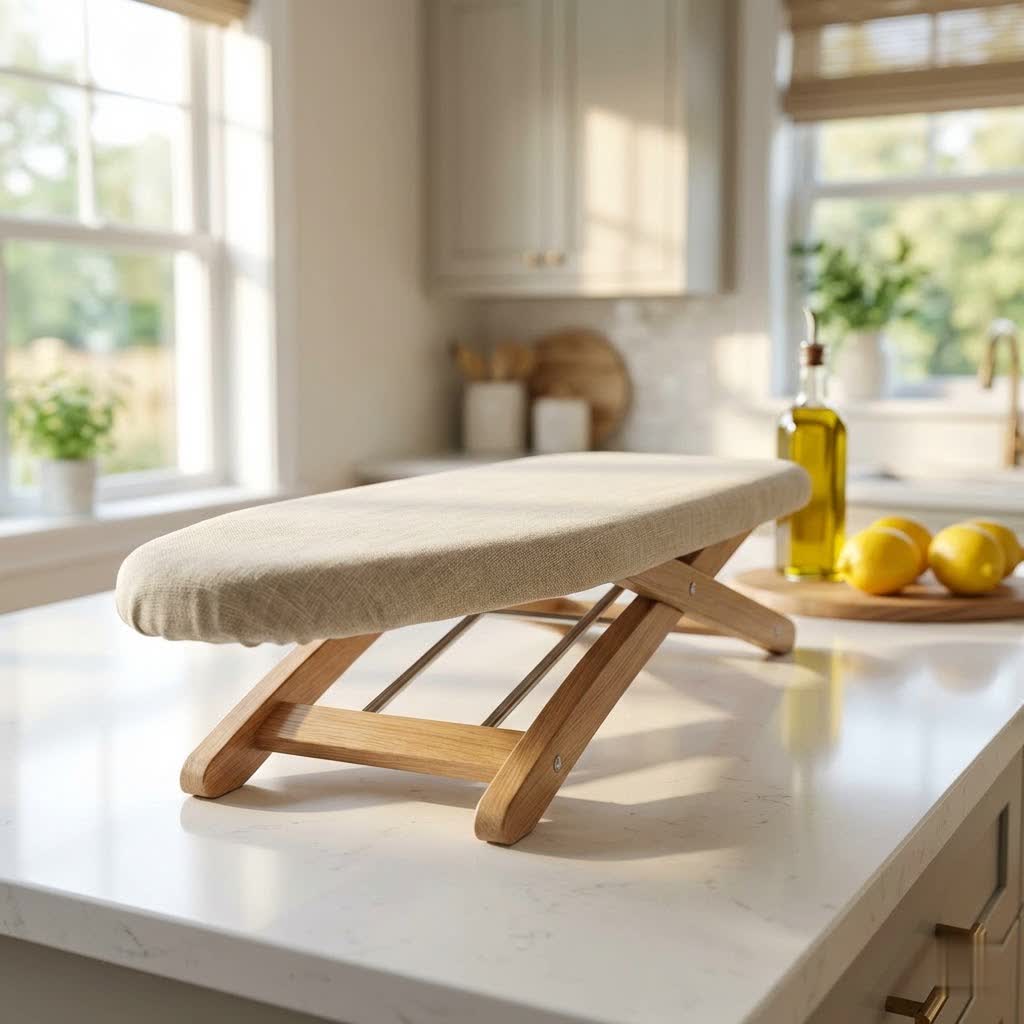
Step into the laundry room of yesteryear, and you might encounter a true household icon: the vintage wooden ironing board. Far more than a mere utility item, these timeless pieces embody a blend of practical design and historical craftsmanship. Today, they capture the hearts of collectors, interior designers, and anyone seeking to infuse their home with a touch of rustic elegance and storied charm. Whether you’re looking to press delicate linens with a sense of tradition or simply adorn your space with a unique decorative accent, understanding the legacy and appeal of vintage wooden ironing boards is a journey into the past, offering both beauty and functionality.
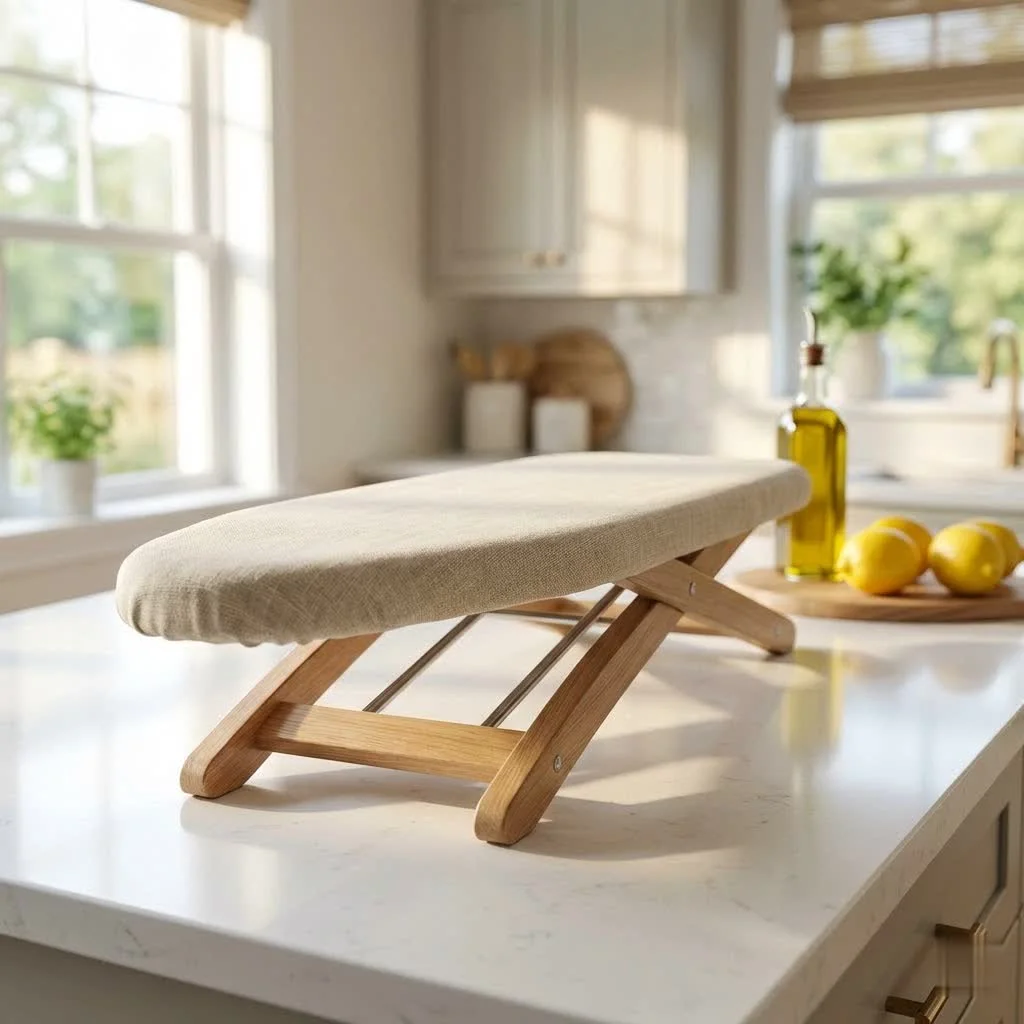
What is a Vintage Wooden Ironing Board?
A vintage wooden ironing board is, at its core, an antiquated domestic appliance constructed primarily from wood, designed to provide a stable, flat surface for pressing clothes. Unlike their modern metal counterparts, these boards speak to an era of manual craftsmanship and simpler, more robust designs. Often characterized by their folding wooden legs and natural wood grain, they represent a significant chapter in the evolution of laundry tools. Beyond their original purpose, these boards are now cherished as decorative pieces, embodying a rustic aesthetic that complements various interior styles, from farmhouse to industrial loft. For shop curated home laundry on this site.
The concept of a dedicated ironing surface has a long and fascinating history. Early forms of ironing involved using heated stones on flat pieces of whalebone by Vikings, or simply utilizing kitchen tables or planks of wood balanced across chairs. As early as 1858, patents began to emerge for “ironing tables” designed to facilitate the pressing of garments. The true portability we recognize today began to take shape with John B. Porter’s 1875 Canadian patent for a folding ironing board, which ingeniously included a removable press board for sleeves. By the late 19th century, mass-produced wooden ironing boards with collapsible legs became widely available, signaling a shift towards more convenient household tools, even if they sometimes suffered from warping.
The Evolution of the Ironing Board: A Wooden Legacy
The journey of the ironing board from primitive surfaces to specialized tools highlights ingenuity in the face of domestic needs. The earliest known ironing boards were far from the sophisticated designs we recognize. In the 9th century, Vikings utilized flat pieces of whalebone and heated rocks to smooth their garments. For centuries, people in Europe and America often improvised, using kitchen tables or wooden planks supported by two chairs. These rudimentary setups served their purpose but lacked specialized features.
Significant advancements began in the 19th century. In 1858, W. Vandenburg and J. Harvey patented an “ironing table” to simplify the pressing of sleeves and pant legs. A crucial step toward modern convenience was taken in 1875 when John B. Porter patented the first truly portable folding ironing board in Canada, which even included a removable sleeve board. Further refinement came from Sarah Boone, an African American dressmaker, who in 1892 patented an improved ironing board. Her design was narrower, curved, padded, and collapsible, specifically tailored to iron the contours of women’s garments like sleeves and bodices without creating new wrinkles. Her innovation addressed the limitations of flat wooden planks for intricate clothing.
By the turn of the 20th century, around 1898, manufacturers began producing wooden ironing boards with detachable legs, allowing them to be set up anywhere and stored more easily. These early manufactured boards were typically made from wood, often pine or fir, chosen for its pale color and resistance to staining, or oak for its inherent strength. However, these wooden tops were sometimes prone to warping under the heat of the iron. This era truly cemented the wooden ironing board as a staple in households, a testament to durable craftsmanship before the widespread adoption of all-metal, collapsible designs became common by 1940.
Types of Vintage Wooden Ironing Boards
While modern ironing boards come in many forms, vintage wooden varieties generally fall into a few key categories, reflecting their practical uses in historical households.
Traditional Folding Ironing Boards
|
Our Picks for the Best Ironing Board in 2026
As an Amazon Associate I earn from qualifying purchases.
|
||
| Num | Product | Action |
|---|---|---|
| 1 | Tabletop Ironing Board,Portable Iron Board with Iron Rest, Foldable Small Ironing Board with Heat Resistant Cover and 100% Cotton Pad, 31.5"x11.8"x7", Grey |

|
| 2 | Ironing Board Full Size 54x14, RAINHOL Heavy Duty Iron Board with Thick Padded Cover, Height Adjustable Ironing Boards with Smart Hanger, Heat-Resistant Silicone Pad Iron Rest |
|
| 3 | Joseph Joseph Pocket Folding Tabletop Ironing Board with Iron Holder and wall mount, Compact Space-Saving , Grey/Yellow |
|
| 4 | KINGBOARD Tabletop Ironing Board, Small Ironing Boards with Iron Rest, Folding Iron Board, Extra Thick Cover, Portable Tabletop Ironing Board with Non-Slip Feet, 30x12 Blue |
|
| 5 | Metal Foldable Tabletop Ironing Board with Iron Rest, Portable Ironing Board Small with Heat Resistant Cotton Cover, RAINHOL Mini Iron Board for Small Space and Travel, 31"x12", Gray |
|
| 6 | Full Size Ironing Board Made in USA – Beige by Seymour Home Products 4 Heavy-Duty Steel Legs Perforated Top for Steam Includes Cover & Pad Sturdy, Foldable Iron Board for Home & Laundry |
|
| 7 | Amazon Basics Ironing Board Tabletop 77x29 cm, White, Floral |
|
| 8 | APEXCHASER Ironing Board Small with Iron Holder, Tabletop Small Iron Board with 2 Heat Resistant Ironing Covers, Portable Tabletop Ironing Board with Non-Slip Feet for Home Travel Use |
|
| 9 | Metal Mesh Panel Tabletop Ironing Board - Foldable Iron Board - Heavy Duty Small Iron Board with Heat Resistant Cover and 100% Cotton 8mm Thicken Pad - 31.5"x11.8"x6.2" |
|
| 10 | Foldable Table Top Ironing Board with Iron Rest, Portable Ironing Board Small with Heat Resistant Cotton Cover, Mini Iron Board for Small Space and Travel, 31"x12", Black |
|
These are the most recognizable type, featuring a long, broad wooden top and a robust set of collapsible wooden legs, often secured with simple iron hardware.
- Advantages:
- Stability: For their time, these boards offered a substantial and stable surface for general ironing tasks.
- Generous Surface Area: Provided ample space for ironing larger items like bed linens and table cloths.
- Aesthetic Appeal: The natural wood and classic design make them highly sought after for decorative purposes today.
- Disadvantages:
- Bulkiness: Even when folded, they can be cumbersome and require significant storage space compared to modern compact options.
- Potential for Warping: Older wooden boards, especially if exposed to heat and moisture over time, could warp, affecting the ironing surface.
- Weight: Often heavier than contemporary metal boards.
- Applications: Originally designed for everyday household ironing, they are now often repurposed as rustic console tables, display shelves, or decorative elements in farmhouse or primitive-themed rooms.
Sleeve Boards / Tabletop Ironing Boards
Smaller and more specialized, these boards were designed for intricate ironing tasks or for use in confined spaces. They often came as separate, smaller wooden boards, sometimes with their own miniature legs, or as attachments to a larger board.
- Advantages:
- Portability: Lightweight and easy to move, making them ideal for small touch-ups or travel.
- Specialized Functionality: Their narrow, often curved shape was perfect for ironing sleeves, collars, and small garments, a feature enhanced by Sarah Boone’s 1892 patent.
- Space-Saving: Can be stored easily in drawers or hung when not in use.
- Disadvantages:
- Limited Surface Area: Not suitable for large items.
- Less Stable: Due to their smaller size, they can be less stable than full-sized boards.
- Applications: Historically invaluable for dressmakers and detailed garment care, today they are popular for quilting projects that benefit from a hard pressing surface, or as charming decorative accents in laundry rooms or craft spaces.
Key Features and Materials of Vintage Wooden Ironing Boards
Understanding the construction of vintage wooden ironing boards reveals their enduring quality and rustic appeal.
- Wood Types: The choice of wood was often driven by function and availability. Pine or fir, sometimes referred to as “deal,” was a common light-colored softwood, prized because “the heat draws out a stain from any other kind”. Oak was also used for its exceptional strength and durability, particularly for more robust designs. These woods develop a beautiful, rich patina over decades, enhancing their vintage character.
- Construction and Hardware: Many vintage boards feature simple yet sturdy folding mechanisms, often incorporating iron hardware like hinges and latches, which add to their industrial or farmhouse aesthetic. The legs typically form a stable A-frame or tripod structure, designed for practical stability during ironing.
- Surfaces and Covers: The wooden surface itself, while durable, was historically covered to provide a better ironing experience. Housekeeping guides from the 19th century recommended covering the board with a thick woolen ironing blanket, often made of white baize or red flannel, topped with a clean sheet or ironing cloth. This layering provided necessary padding and heat distribution.
- Dimensions: While sizes varied, a common antique wooden ironing board might measure around 31 inches in height, 54 inches in length, and 18.75 inches in width at its broadest point, tapering down for garment shaping. When folded, these boards become more compact, perhaps around 60 x 18.75 x 3 inches, a testament to early space-saving design.
Buying Guide: Selecting Your Perfect Vintage Wooden Ironing Board
Choosing a vintage wooden ironing board involves more than just aesthetics; it’s about understanding its condition, authenticity, and how it aligns with your intended use.
- Condition and Integrity:
- Warping: Inspect the wooden top for any significant warping, as this can affect its utility as a flat surface. While clamping might offer a temporary fix, wood can spring back.
- Stability: Check the legs and folding mechanisms for sturdiness. Loose joints or wobbly legs indicate wear that might require repair. The iron hardware should be intact and functional.
- Wood Health: Look for signs of rot, active insect infestation, or excessive cracking. A lovely, aged “patina to the wood” is desirable, indicating its genuine vintage nature, but not structural damage.
- Authenticity vs. Reproduction: True vintage boards will show signs of age—minor imperfections, wear consistent with decades of use, and original hardware. Reproductions, while aesthetically pleasing, lack the genuine history and unique patina of an antique. Look for maker’s marks or labels if seeking a specific historical piece.
- Intended Use:
- Decorative Piece: If primarily for aesthetics, minor imperfections might be acceptable or even desirable for character. These boards can serve beautifully as console tables, plant stands, or unique shelving.
- Functional Ironing: For actual ironing, particularly specialized tasks like quilting, a hard, flat surface is often preferred over highly padded modern boards. Ensure the board is stable and relatively flat.
- Budget Considerations: Prices for vintage wooden ironing boards can vary widely depending on rarity, condition, size, and seller. Decorative pieces might range from under $100 to several hundred, while rare or pristine collector’s items can fetch significantly more. Always compare prices across different vendors.
- Where to Purchase:
- Antique Shops and Flea Markets: Offer the chance to inspect boards in person and discover unique pieces.
- Online Marketplaces: Websites like Etsy and 1stDibs are popular for finding a diverse selection of vintage and antique ironing boards, often with detailed descriptions and pricing.
Restoring and Caring for Your Vintage Wooden Ironing Board
A vintage wooden ironing board, with proper care, can last for many more years, whether as a functional item or a cherished decorative piece.
- Gentle Cleaning: Begin by thoroughly cleaning the wooden surfaces to remove dust, grime, and old residues. Use a soft cloth and a mild wood cleaner, avoiding harsh chemicals that could damage the patina or wood finish.
- Nourishing the Wood: As a wooden object, it requires care to prevent drying and cracking. Periodically, apply a quality wood furniture oil, such as linseed oil or Old English furniture oil. Rub the oil into the wood with a cloth, allowing it to soak in thoroughly for a day before covering, which helps “bring out all the cool colors and knotting” of the grain. This treatment protects and moisturizes the wood, enhancing its natural beauty.
- Replacing the Cover: If you plan to use the board for ironing, replacing an old, worn, or stained cover is essential. You can make a custom cover using a durable, heat-resistant fabric, often with a layer of thin cotton/poly batting underneath for light padding. Quilters, for instance, often prefer a hard pressing surface with minimal padding to achieve flatter blocks.
- Addressing Damage:
- Loose Joints: Tighten any loose screws or fasteners on the legs or folding mechanisms. For more significant issues, a wood adhesive or professional repair might be necessary.
- Warping: While challenging to fully reverse, consistent clamping of a warped board to a flat, sturdy surface for an extended period may help to mitigate the bend, though it might “spring back to its warped state”.
“The true beauty of a vintage wooden ironing board lies not just in its form, but in the stories it could tell, imbued with decades of diligent domesticity. Restoring one is preserving a piece of history.” – Admin, ReviewPlusss.com
Creative Uses Beyond Ironing
The inherent charm and unique structure of a vintage wooden ironing board make it a fantastic candidate for repurposing into various functional and decorative elements within your home.
- Rustic Console or Sofa Table: Its elongated, narrow profile is perfect for an entryway console, a behind-the-sofa table, or even a unique bar cart. The folding legs can add an interesting architectural detail.
- Charming Plant Stand: The sturdy wooden surface provides an ideal platform for displaying potted plants, creating a multi-level garden display indoors or on a covered patio.
- Laundry Room Decor: Naturally, it makes an excellent decorative statement in a laundry or utility room, either standing proudly as a historical artifact or adorned with vintage linens and laundry tools.
- Crafting or Quilting Station: For hobbyists, especially quilters, the stable wooden surface can be transformed into a portable pressing station. Many quilters prefer a harder surface over heavily padded boards for crisper seams.
- Unique Display Shelf: Lean it against a wall and use the flat surface to display books, small collectibles, or seasonal decorations, adding a touch of rustic flair to any room.
Conclusion
The vintage wooden ironing board stands as a beautiful testament to a bygone era, offering a unique blend of history, craftsmanship, and aesthetic appeal. From its humble origins as a simple plank to its evolution into a carefully designed household tool, these boards tell a story of domestic life. Their natural wood, sturdy construction, and timeless patina continue to captivate, making them cherished items for both practical use and decorative purposes. Whether you seek to honor tradition, embrace a sustainable approach to home decor, or simply appreciate the beauty of functional antiques, a vintage wooden ironing board is a profound choice.
Have you ever considered the subtle stories a piece of vintage furniture can tell? What unexpected ways could a vintage wooden ironing board enhance your home?
Frequently Asked Questions
What makes a wooden ironing board “vintage”?
A wooden ironing board is generally considered “vintage” if it dates from the early to mid-20th century, typically before the widespread adoption of all-metal designs around 1940. These boards often feature visible wood grain, folding wooden legs, and traditional hardware, distinguishing them from modern ironing equipment.
Can a vintage wooden ironing board still be used for ironing?
Yes, many vintage wooden ironing boards can still be used for ironing, especially if they are in good structural condition with no significant warping. Some quilters and crafters even prefer the firm, unpadded surface of a wooden board for precise pressing. Replacing the cover with a modern heat-resistant fabric and appropriate padding can enhance its functionality.
How do I clean and maintain a vintage wooden ironing board?
To clean a vintage wooden ironing board, use a soft cloth and a mild wood cleaner. For maintenance, periodically apply a wood-nourishing oil, such as linseed oil or furniture oil, to keep the wood from drying out and to enhance its natural patina. Ensure the wood is fully dry before re-covering it.
Where can I find authentic vintage wooden ironing boards?
Authentic vintage wooden ironing boards can be found in a variety of places. Popular sources include antique shops, flea markets, estate sales, and online marketplaces like Etsy and 1stDibs. When buying online, always check for detailed descriptions, multiple photos, and seller reviews to ensure authenticity and condition.
What are some creative ways to repurpose a vintage wooden ironing board?
Beyond ironing, a vintage wooden ironing board can be creatively repurposed into charming home decor. Popular ideas include using it as a rustic console table in an entryway, a unique plant stand, a decorative display shelf in a laundry room, or even a portable crafting or quilting station. Its distinctive shape and historical appeal make it a versatile piece.
Get our weekly buyer guide
Practical specs, not advice. Unsubscribe anytime.
