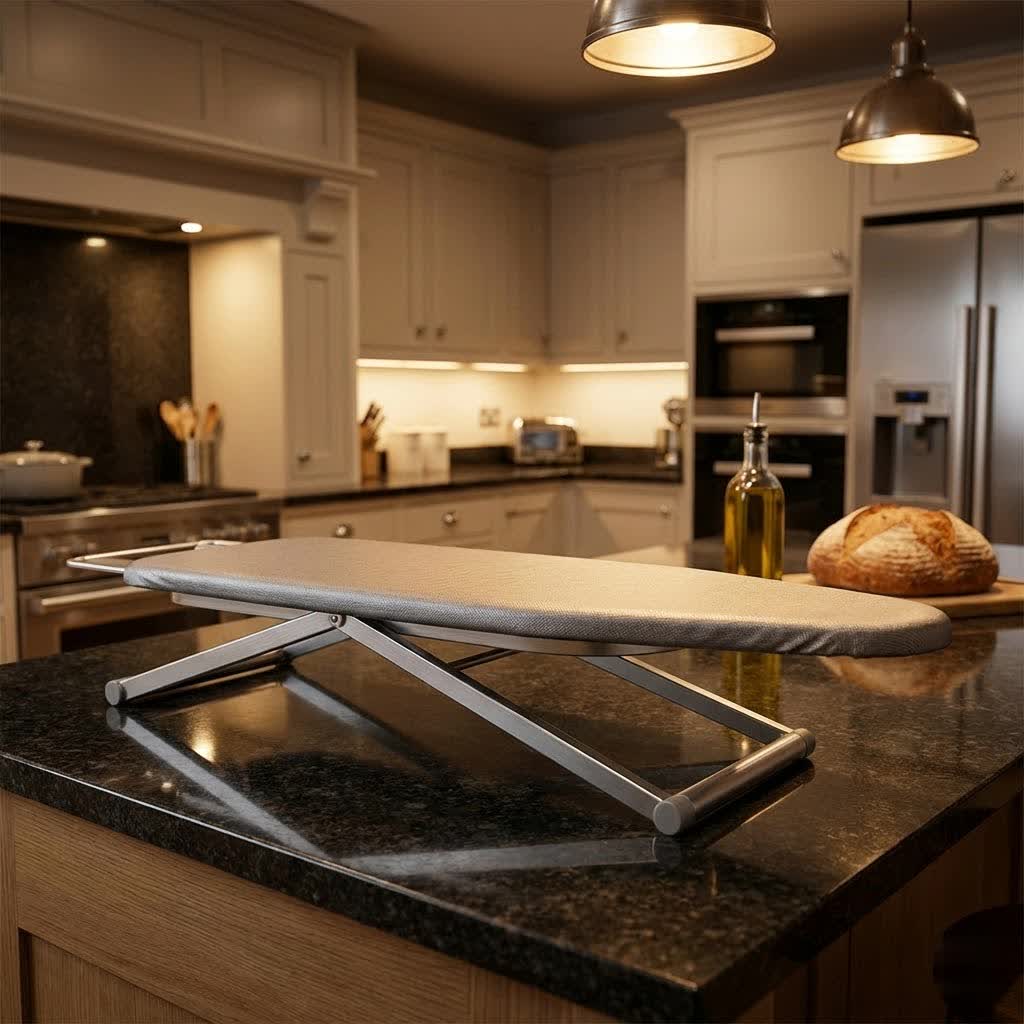
For many, ironing is a chore that can quickly become frustrating, yet with the right tools, it transforms into a satisfying task that leaves clothes crisp and fresh. Among these essential tools, the ironing board cover often goes overlooked, despite its critical role in achieving perfectly pressed garments. If you’re serious about smooth results and a durable setup, understanding the benefits of a high-quality cotton ironing board cover is paramount. This guide will walk you through everything you need to know, from why cotton stands out to how to choose the ideal cover for your home.
What is an Ironing Board Cover?
An ironing board cover is more than just a decorative fabric layer; it’s a vital component that sits atop your ironing board, providing a smooth, protected surface for ironing garments. Its primary function is to create an optimal interface between your iron and clothing, ensuring efficient heat transfer and preventing damage to both your garments and the board itself. Historically, ironing surfaces have evolved from simple heated stones or metal plates to sophisticated, padded boards, with the cover becoming central to modern ironing efficiency. For more home laundry guides on this site.
While ironing boards themselves come in various forms—from traditional standing models to wall-mounted or portable versions—the cover remains consistently important. It protects the metal mesh of the board from direct heat and steam, while also protecting your clothes from potential snags or marks. A well-chosen cover significantly enhances the ironing experience, making it faster, safer, and more enjoyable.
Why Choose a Cotton Ironing Board Cover?
When it comes to selecting the material for your ironing board cover, cotton stands out as a superior choice for several compelling reasons. Its natural properties make it highly effective for everyday ironing and a wise investment for long-term use.
Durability and Longevity
Cotton is a remarkably strong and resilient natural fiber, designed to withstand the wear and tear of regular high-heat exposure and frequent use. Unlike synthetic materials that can break down or singe over time, a 100% cotton cover maintains its integrity, offering consistent performance for years. This durability means less frequent replacements, providing better value in the long run.
Breathability and Heat Distribution
One of cotton’s most significant advantages is its exceptional breathability. Its natural weave allows air to circulate freely and steam to pass through easily. This prevents moisture from pooling beneath your garments and ensures efficient heat transfer from the iron into the fabric, leading to quicker and more effective wrinkle removal. This optimal heat distribution prevents overheating, protecting delicate fabrics from damage while ensuring a comfortable ironing experience.
Superior Ironing Surface
|
Our Picks for the Best Ironing Board in 2026
As an Amazon Associate I earn from qualifying purchases.
|
||
| Num | Product | Action |
|---|---|---|
| 1 | Metal Foldable Tabletop Ironing Board with Iron Rest, Portable Ironing Board Small with Heat Resistant Cotton Cover, RAINHOL Mini Iron Board for Small Space and Travel, 31"x12", Gray |

|
| 2 | APEXCHASER Ironing Board Small with Iron Holder, Tabletop Small Iron Board with 2 Heat Resistant Ironing Covers, Portable Tabletop Ironing Board with Non-Slip Feet for Home Travel Use |
|
| 3 | Amazon Basics Ironing Board Tabletop 77x29 cm, White, Floral |
|
| 4 | Tabletop Ironing Board,Portable Iron Board with Iron Rest, Foldable Small Ironing Board with Heat Resistant Cover and 100% Cotton Pad, 31.5"x11.8"x7", Grey |
|
| 5 | Full Size Ironing Board Made in USA – Beige by Seymour Home Products 4 Heavy-Duty Steel Legs Perforated Top for Steam Includes Cover & Pad Sturdy, Foldable Iron Board for Home & Laundry |
|
| 6 | Metal Mesh Panel Tabletop Ironing Board - Foldable Iron Board - Heavy Duty Small Iron Board with Heat Resistant Cover and 100% Cotton 8mm Thicken Pad - 31.5"x11.8"x6.2" |
|
| 7 | KINGBOARD Tabletop Ironing Board, Small Ironing Boards with Iron Rest, Folding Iron Board, Extra Thick Cover, Portable Tabletop Ironing Board with Non-Slip Feet, 30x12 Blue |
|
| 8 | Ironing Board Full Size 54x14, RAINHOL Heavy Duty Iron Board with Thick Padded Cover, Height Adjustable Ironing Boards with Smart Hanger, Heat-Resistant Silicone Pad Iron Rest |
|
| 9 | Joseph Joseph Pocket Folding Tabletop Ironing Board with Iron Holder and wall mount, Compact Space-Saving , Grey/Yellow |
|
| 10 | Foldable Table Top Ironing Board with Iron Rest, Portable Ironing Board Small with Heat Resistant Cotton Cover, Mini Iron Board for Small Space and Travel, 31"x12", Black |
|
A cotton surface provides an ideal texture that helps hold fabrics in place, preventing slipping and bunching as you iron. This non-slip quality is especially beneficial when tackling larger items or intricate garments, allowing for precise pressing. Additionally, cotton itself offers a smooth foundation that helps iron out creases without adding new ones, contributing to a truly wrinkle-free finish.
Heat and Scorch Resistance
Cotton naturally resists high temperatures, making it a safe choice for prolonged ironing sessions. While any fabric can scorch if an iron is left unattended, cotton is far less prone to melting or fusing under heat compared to many synthetic alternatives. For enhanced protection, specialized cotton covers may feature additional treatments that boost their scorch and stain-resistant properties, further extending their lifespan and maintaining their pristine appearance.
Types of Cotton Ironing Board Covers
While “cotton ironing board cover” might sound like a single category, there are several variations, often enhanced with different constructions or coatings, each offering unique benefits for your ironing routine.
100% Standard Cotton
The classic choice, 100% standard cotton covers provide the fundamental benefits of breathability, durability, and a non-slip surface. Within this category, you might find different weaves:
- Crossweave Cotton: Commonly used, this checkerboard weave offers good quality but can be more prone to tearing over time under extreme heat and stress.
- Cotton Drill: Featuring a diagonal weave, cotton drill is a heavier, more luxurious, and significantly more durable option. Often used for workwear, its tight weave makes it highly resistant to tearing, providing an exceptionally robust ironing surface.
Metallized Cotton
These covers combine the natural benefits of cotton with a metallic coating, often silver-colored. The metalized surface is designed to reflect heat back into the garment you’re ironing, effectively heating both sides of the fabric simultaneously. This innovative feature significantly speeds up the ironing process, reducing the time and effort required to remove stubborn creases. Many metalized cotton covers also offer enhanced scorch and stain resistance.
Silicone-Coated Cotton
Similar to metallized covers, silicone-coated cotton covers also aim to improve ironing efficiency. The silicone layer provides a heat-reflective, ultra-smooth, and often non-stick surface, allowing the iron to glide effortlessly. These covers are typically scorch and stain-resistant, offering excellent protection and a smooth experience. They often come with extra-thick padding for added cushioning.
Multi-Layered Cotton Covers
For the ultimate ironing experience, multi-layered covers integrate cotton with other materials to maximize performance. These often feature:
- Cotton Top Layer: For the direct ironing surface, leveraging cotton’s breathability and non-slip qualities.
- Felt or Foam Padding: A crucial middle layer that provides cushioning, prevents the metal mesh pattern of the ironing board from transferring to clothes, and absorbs moisture. Felt padding is generally considered more durable and effective than foam.
- Heat-Reflective or Waterproof Base: An additional layer at the bottom, sometimes aluminum or silicone, to reflect heat or prevent steam from dripping onto the floor or damaging the ironing board itself.
Comparison Table: Cotton vs. Other Popular Cover Materials
Understanding how cotton stacks up against other common ironing board cover materials can help you make an informed decision.
| Feature | 100% Cotton | Polyester Blends | Metallic/Silicone Coated Cotton |
|---|---|---|---|
| Heat Resistance | High, naturally withstands heat | Moderate, prone to scorching/melting at high temps | Very High, actively reflects heat |
| Durability | Excellent, especially cotton drill | Moderate, less long-lasting under high heat | Excellent, enhanced lifespan through protective coatings |
| Breathability | High, allows optimal steam flow | Low, can trap steam | Moderate (depends on coating, but still effective) |
| Non-Slip | Good, natural grip with moisture absorption | Can be slippery, especially with steam | Good, often engineered with non-slip texture |
| Steam Pass-through | Excellent, facilitates efficient ironing | Varies, can sometimes hinder steam flow | Good, designed to manage steam effectively |
| Ease of Cleaning | Can show stains, typically machine washable (check care label) | Generally easy to wipe clean, less prone to staining | Often wipe-clean only due to coatings, some may be gently washable |
| Ironing Speed | Standard | Standard | Faster, due to heat reflection |
Guide to Choosing the Best Cotton Ironing Board Cover
Selecting the perfect cotton ironing board cover involves considering several key factors to match your ironing habits and ensure longevity.
Material Composition
Prioritize 100% cotton for its natural benefits. If you iron frequently or tackle heavy fabrics, consider a cotton drill cover for enhanced durability. For those seeking faster ironing times, a metallized cotton or silicone-coated cotton option can be a game-changer due to its heat-reflective properties. Always ensure the cotton is unbleached for optimal performance and less chemical exposure.
Padding Thickness
The padding beneath the cotton surface is crucial. A thick, resilient padding layer prevents the metal mesh of your ironing board from imprinting on your clothes. Look for covers with padding between 4 to 8 millimeters thick. Felt is often recommended over foam for its superior durability and ability to absorb moisture without degrading as quickly. Many premium covers feature a multi-layered design with dense felt for optimal cushioning and heat retention.
Size and Fit
A secure fit is non-negotiable for safety and efficient ironing. A loose cover can bunch up, create new wrinkles, and even be a safety hazard. Before purchasing, accurately measure your ironing board’s:
- Length: From nose to tail.
- Width: At its widest point, typically the middle.
- Nose Shape: Rounded, tapered, or blunt.
Many covers come in standard sizes (e.g., 15×54 inches), but having your measurements ensures a snug fit. Look for features like elasticized edges, drawstring lock systems, and adjustable fasteners that keep the cover taut and prevent shifting during use.
Additional Features
Beyond the basic material and fit, several features can significantly enhance your ironing experience:
- Scorch and Stain Resistance: While cotton is naturally heat-resistant, added treatments can protect against accidental scorching and make cleaning easier.
- Heat Reflection: As discussed, metallic or silicone coatings can dramatically cut down ironing time.
- Multi-Layer Construction: These designs combine the best of various materials for maximum durability, heat distribution, and protection.
Top Cotton Ironing Board Cover Attributes Today
Today’s market offers a range of high-quality cotton ironing board covers designed to elevate your ironing routine. The most favored options typically boast a combination of advanced features alongside the inherent benefits of cotton.
Look for covers made with extra-thick natural cotton padding, offering unbeatable scorch and stain resistance. These often feature heavy-duty elastic edges and robust metal fasteners to ensure a snug, secure fit on your board, preventing any slipping or bunching. Many top-tier covers integrate multi-layered designs, combining pure cotton with a thick felt underlay and sometimes a heat-reflective coating to maximize steam penetration and ironing efficiency. For those who prioritize quick results, designs with heat-reflective surfaces that help iron both sides of the garment simultaneously are highly sought after. These premium covers are built for heavy-duty, long-lasting performance, providing a stable, cushioned surface that makes tackling any laundry load easier.
Tips for Using and Maintaining Your Cotton Ironing Board Cover
To maximize the life and performance of your cotton ironing board cover, proper usage and maintenance are essential.
Safe and Effective Use
- Match Heat to Fabric: Always adjust your iron’s temperature setting to the fabric you are pressing. While cotton covers are heat-resistant, excessive heat applied directly over time, especially with the iron left stationary, can still lead to scorch marks on the cover itself.
- Use Steam Wisely: Cotton’s breathability is ideal for steam irons. Allow steam to penetrate the fabric, but avoid excessive saturation to prevent moisture build-up beneath the cover.
- Secure the Fit: Before ironing, ensure your cover is pulled taut and securely fastened with any drawstrings or elastic edges to prevent movement and create a smooth surface.
Cleaning and Care
- Check Manufacturer’s Instructions: Always refer to the care label provided with your specific ironing board cover.
- Spot Cleaning: For minor marks or dirt, spot clean with a damp cloth and mild detergent.
- Washing: Many 100% cotton covers are machine washable (often on a gentle cycle with cold water), but covers with metallic or silicone coatings may be wipe-clean only to preserve the special finish. Air drying is generally recommended to prevent shrinkage or damage to internal layers.
- Dealing with Scorches: While cotton is resistant, accidental scorch marks can occur. These are often difficult, if not impossible, to remove completely. Prevention is key.
When to Replace
Even the most durable cotton cover will eventually show signs of wear. Consider replacing your cover when:
- The padding becomes thin, allowing the metal mesh of the board to show through or transfer to clothes.
- It develops significant scorch marks or stains that can transfer to garments.
- The fabric tears or thins in areas, compromising the smooth ironing surface.
- It no longer fits snugly, leading to bunching or slipping.
Replacing your cover every few years, or sooner with heavy use, ensures you always have an optimal surface for your ironing tasks.
Conclusion
A high-quality cotton ironing board cover is not just an accessory; it’s a foundational tool that significantly impacts the effectiveness and enjoyment of your ironing routine. From its inherent durability and breathability to its ability to provide a stable, non-slip surface, cotton offers unparalleled advantages. By understanding the different types available and knowing what features to prioritize—such as ample padding, a secure fit, and potentially heat-reflective coatings—you can select a cover that transforms a mundane chore into a seamless and satisfying experience. Investing in a superior cotton ironing board cover means investing in perfectly pressed clothes and a more efficient home.
Frequently Asked Questions
How often should I replace my ironing board cover?
The lifespan of an ironing board cover varies depending on frequency of use and quality, but generally, it’s recommended to replace it every 2-5 years. Signs like thinning padding, persistent stains, or a loose fit indicate it’s time for a new one.
Can I wash a cotton ironing board cover?
Most 100% cotton ironing board covers are machine washable on a gentle cycle, but always check the manufacturer’s care instructions. Covers with special coatings (like metallic or silicone) may require spot cleaning or a very gentle wash to preserve their features. Air drying is usually best.
What is the best padding for an ironing board cover?
Felt padding is widely considered superior to foam because of its greater durability, resistance to compression, and better ability to absorb steam without degrading. A thickness of 4-8mm is generally ideal to prevent board mesh patterns from transferring to clothing.
How do I prevent scorching on my cotton ironing board cover?
To prevent scorching, always match your iron’s temperature to the fabric you are ironing and avoid leaving a hot iron stationary on the cover for extended periods. Heat-reflective or scorch-resistant cotton covers can offer an extra layer of protection.
Are all cotton ironing board covers the same?
No, not all cotton ironing board covers are the same. They vary in cotton weave (e.g., crossweave vs. cotton drill), padding thickness and material (felt vs. foam), and additional features like metallic or silicone coatings for heat reflection or enhanced scorch resistance.
Get our weekly buyer guide
Practical specs, not advice. Unsubscribe anytime.
