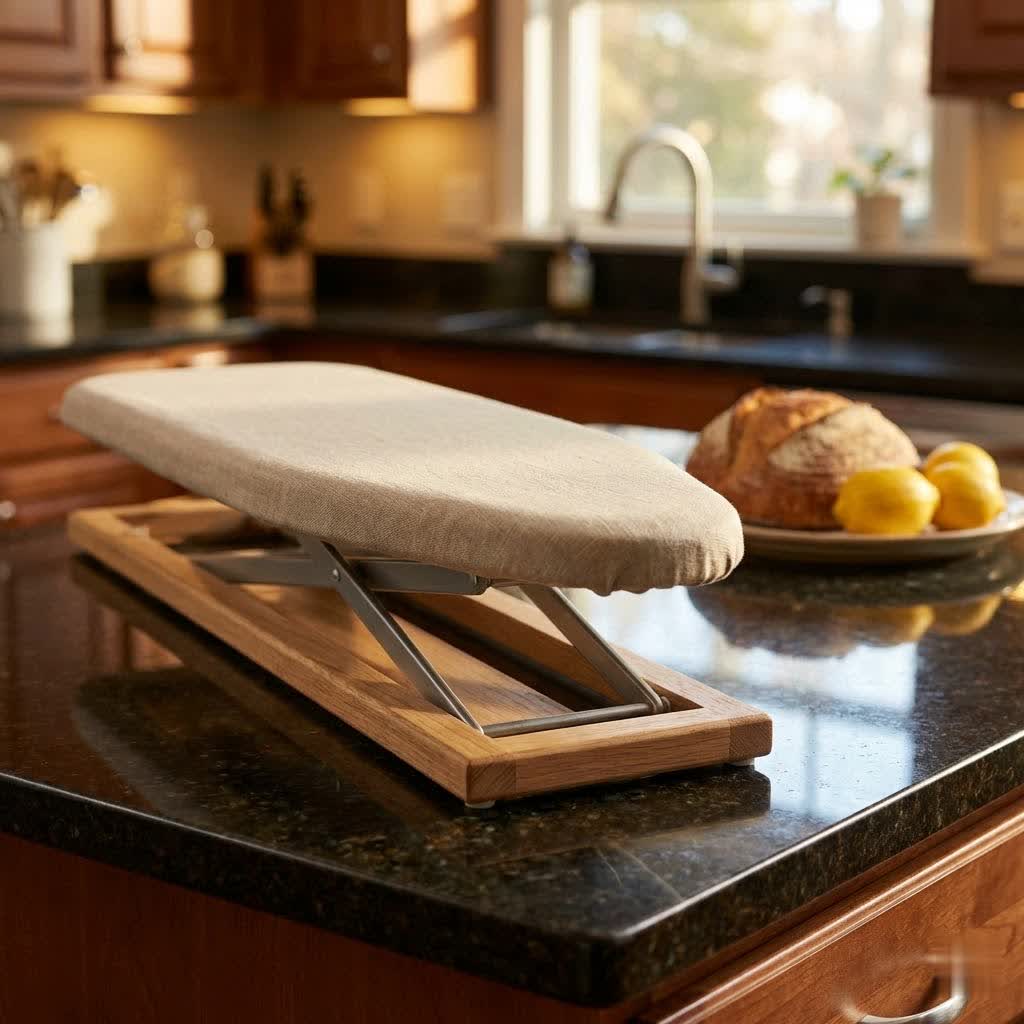
Do you ever find yourself staring at a pile of wrinkled clothes, dreading the chore of ironing? You’re not alone. While a high-performance iron is crucial, the secret to effortless garment care often lies with an equally capable ironing board. Far more than just a flat surface, the right ironing board can transform a tedious task into a smooth, efficient, and even enjoyable process, helping you achieve that crisp, polished look every time.
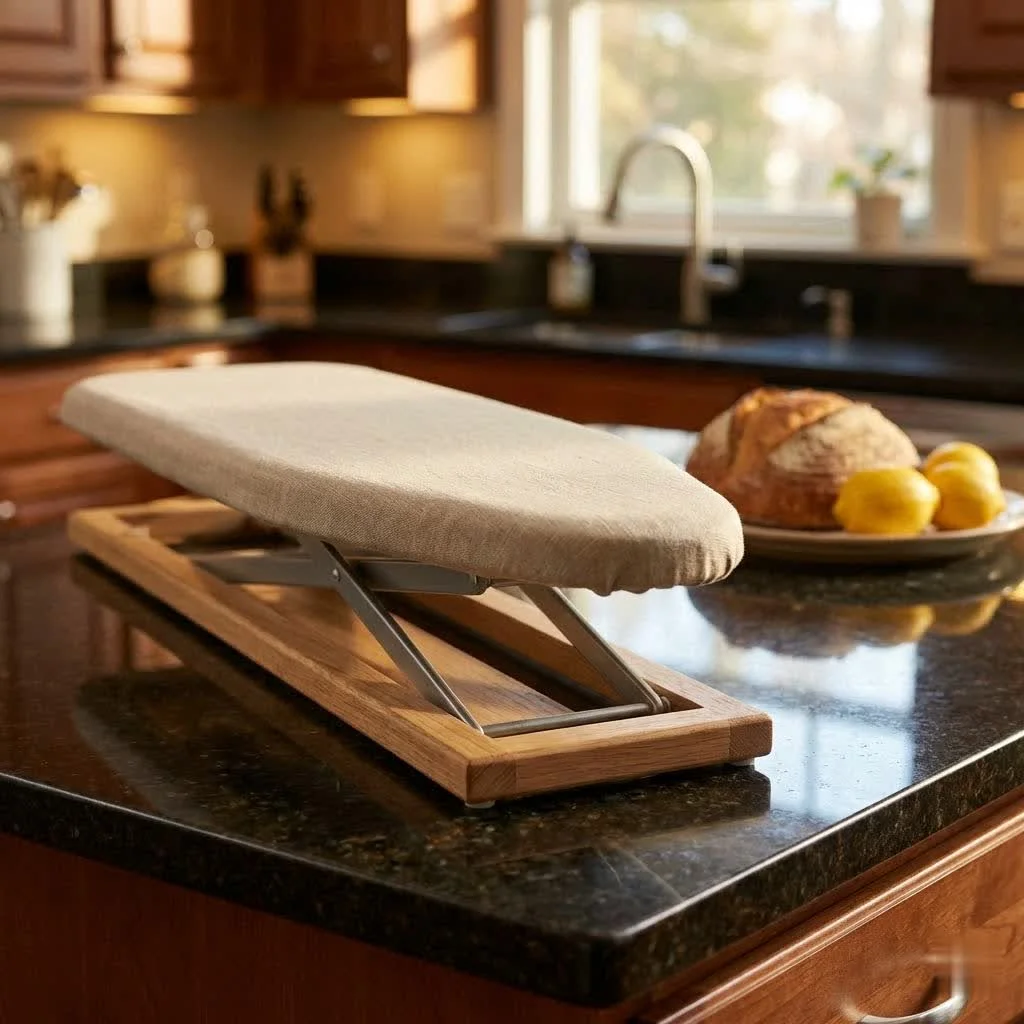
What is an Ironing Board?
An ironing board is a long, narrow, foldable board, typically covered with a padded, heat-resistant fabric, used as a surface for pressing clothes with an iron. Its primary purpose is to provide a stable, firm, yet cushioned platform that allows you to smooth out wrinkles and creases from various fabrics efficiently and safely. While the fundamental design hasn’t changed dramatically over the years, modern ironing boards incorporate features that enhance stability, convenience, and user comfort.
Common Types of Ironing Boards
Choosing the right ironing board depends heavily on your available space, ironing frequency, and specific needs. Here’s a breakdown of the most popular types:
Standing Ironing Board
Standing, or freestanding, ironing boards are the most traditional and widely recognized type. They feature adjustable legs, allowing you to set the board at a comfortable height for either standing or seated ironing. These boards are known for their flexibility and portability, as their legs can be flattened for easy storage. Many models offer enhanced features like sturdy frames and integrated iron rests for added convenience. They are a popular choice for families with ample space who iron regularly.
Wall-Mounted Ironing Board
Ideal for homes with limited space, wall-mounted ironing boards are permanently attached to a wall or inside a cabinet. They fold neatly away when not in use, freeing up valuable floor space. These boards are particularly popular in urban apartments or dedicated laundry rooms where every inch counts. They offer excellent stability since they are fixed and can often be adjusted in length and height. Installation is generally straightforward, making them a practical choice for space-conscious households.
Portable Ironing Board
Portable ironing boards are designed for on-the-go ironing or for those who only need a small surface for quick touch-ups. This category often includes tabletop models that can be placed on any sturdy surface like a table or counter. They are lightweight, compact, and easy to store, making them perfect for dorm rooms, studio apartments, or travel. While they offer superb mobility, their smaller ironing surface might be limiting for larger garments.
Door-Mounted Ironing Board
|
Our Picks for the Best Ironing Board in 2026
As an Amazon Associate I earn from qualifying purchases.
|
||
| Num | Product | Action |
|---|---|---|
| 1 | Joseph Joseph Pocket Folding Tabletop Ironing Board with Iron Holder and wall mount, Compact Space-Saving , Grey/Yellow |

|
| 2 | Metal Mesh Panel Tabletop Ironing Board - Foldable Iron Board - Heavy Duty Small Iron Board with Heat Resistant Cover and 100% Cotton 8mm Thicken Pad - 31.5"x11.8"x6.2" |
|
| 3 | Metal Foldable Tabletop Ironing Board with Iron Rest, Portable Ironing Board Small with Heat Resistant Cotton Cover, RAINHOL Mini Iron Board for Small Space and Travel, 31"x12", Gray |
|
| 4 | Foldable Table Top Ironing Board with Iron Rest, Portable Ironing Board Small with Heat Resistant Cotton Cover, Mini Iron Board for Small Space and Travel, 31"x12", Black |
|
| 5 | Tabletop Ironing Board,Portable Iron Board with Iron Rest, Foldable Small Ironing Board with Heat Resistant Cover and 100% Cotton Pad, 31.5"x11.8"x7", Grey |
|
| 6 | Amazon Basics Ironing Board Tabletop 77x29 cm, White, Floral |
|
| 7 | Full Size Ironing Board Made in USA – Beige by Seymour Home Products 4 Heavy-Duty Steel Legs Perforated Top for Steam Includes Cover & Pad Sturdy, Foldable Iron Board for Home & Laundry |
|
| 8 | APEXCHASER Ironing Board Small with Iron Holder, Tabletop Small Iron Board with 2 Heat Resistant Ironing Covers, Portable Tabletop Ironing Board with Non-Slip Feet for Home Travel Use |
|
| 9 | Ironing Board Full Size 54x14, RAINHOL Heavy Duty Iron Board with Thick Padded Cover, Height Adjustable Ironing Boards with Smart Hanger, Heat-Resistant Silicone Pad Iron Rest |
|
| 10 | KINGBOARD Tabletop Ironing Board, Small Ironing Boards with Iron Rest, Folding Iron Board, Extra Thick Cover, Portable Tabletop Ironing Board with Non-Slip Feet, 30x12 Blue |
|
An extension of the wall-mounted concept, door-mounted ironing boards hang over a door using hooks or brackets. They provide a convenient ironing surface without requiring permanent installation or taking up closet space. These boards are a fantastic solution for renters or anyone who lacks wall space for a fixed unit. They fold up against the door when not in use, offering a quick and easy setup and storage solution for small living areas.
Traditional Ironing Board
The term “traditional ironing board” typically refers to the standard standing, full-sized, freestanding model. These boards are characterized by their robust construction and large ironing surface, offering superior stability and ample room for pressing a variety of garments, from trousers to bedsheets. While they are less compact than other types, their solid build makes them a favorite for households that require frequent, extensive ironing sessions.
Ironing Board Comparison Chart
| Feature | Standing Ironing Board | Wall-Mounted Ironing Board | Portable Ironing Board (Tabletop) | Traditional Ironing Board |
|---|---|---|---|---|
| Stability | Medium to High | High | Low to Medium | High |
| Convenience | High | Medium | High | Medium |
| Ironing Area | Medium to Large | Medium to Large | Small | Large |
| Mobility | High | Low | Very High | Low |
| Price Range | Medium | Medium to High | Low | Medium to High |
Your Essential Buying Guide for the Perfect Ironing Board
Selecting the ideal ironing board can significantly impact your ironing experience. Consider these factors to find the perfect match for your home:
Material
The quality of materials directly influences the board’s durability and performance.
- Board Surface: Look for a metal mesh top that allows steam to pass through, preventing condensation and achieving better results. Steel or aluminum frames offer robust support.
- Cover: The cover should be thick, heat-resistant, and preferably reflective (silicone or Teflon) to speed up ironing by reflecting heat back onto the garment. Cotton covers are soft and absorbent. Adequate padding underneath the cover is crucial for a smooth ironing surface.
Size
Consider the dimensions that best suit your ironing habits and available space.
- Surface Area: Larger boards (e.g., 48 x 18 inches) are ideal for frequent ironers and big items like tablecloths or bedding, reducing the need for constant repositioning. Smaller, tabletop boards (e.g., 30 x 12 inches) are perfect for quick touch-ups and small garments.
- Overall Dimensions: Factor in the board’s folded size for storage, especially if space is a concern.
Stability
A wobbly ironing board is not only frustrating but also a safety hazard.
- Legs and Frame: Opt for a board with sturdy, non-slip feet and a robust frame (steel or aluminum) to prevent tipping or collapsing during use. Heavier boards often offer better stability for frequent use with thicker fabrics.
- Locking Mechanism: Ensure the height adjustment mechanism locks securely into place, preventing accidental collapses.
Features
Modern ironing boards come with a range of features designed for convenience and safety.
- Adjustable Height: This is essential for ergonomic ironing, allowing users of different heights to iron comfortably, whether standing or seated. Look for smooth and secure adjustment mechanisms.
- Iron Rest: A well-designed, sturdy iron rest provides a safe place to set down a hot iron between passes, preventing scorch marks and potential accidents. Some are integrated, while others are pull-out.
- Additional Accessories: Features like built-in cord holders, clothing racks, or hanging rails can enhance the ironing experience, but prioritize solid integration over flimsy add-ons.
Brand
Reputable brands often guarantee quality and reliability. Brands like Bartnelli, Brabantia, Joseph Joseph, and Amazon Basics are frequently reviewed positively for their ironing boards, offering a range of options from budget-friendly to heavy-duty models.
Price
Ironing boards vary in price depending on size, features, and brand. Budget-friendly options can provide excellent value for occasional use, while higher-end models offer superior stability, durability, and additional features for frequent ironers. Consider your usage frequency and investment in a tool that will last.
Top Ironing Boards for a Flawless Finish
Based on expert testing and user feedback, here are some top-rated ironing boards that deliver exceptional performance:
- Bartnelli Classic Ironing Board: This board is often lauded as a top overall pick for its refined feel, quiet operation, and sturdy build. It features a heat-reflective cover with a “Turbo Zone” to reduce friction and a “Park Zone” for safely resting a hot iron. Its adjustable height settings accommodate various users, offering a balanced and cushioned surface for daily ironing.
- Amazon Basics Full-Size Ironing Board: An excellent budget-friendly option, this full-size board provides a generous ironing surface and robust padding. It offers an impressive range of height settings, making it versatile for both sitting and standing. Its removable and washable cover is a practical bonus, although the iron rest may feel less stable than on premium models.
- Brabantia Size C Ironing Board: For those seeking a heavy-duty, professional-grade experience, the Brabantia Size C stands out. It boasts a premium construction with a substantial frame and extra-thick padding, ensuring a wonderfully steady surface for larger items. While it’s bulkier for storage, its durability makes it a worthwhile investment for frequent, demanding ironing tasks.
- Joseph Joseph Pocket Folding Ironing Board: When space is at a premium, this compact, collapsible board is a game-changer. It folds down significantly, making it ideal for small apartments or quick touch-ups. Despite its small footprint, it offers surprising sturdiness and can even be wall-mounted for ultimate space-saving.
- Better Homes & Gardens Wide Ironing Board: This board is celebrated for its extra-wide surface, which significantly reduces the need to reposition garments like pants and button-downs. Its thick padding and smooth glide make ironing large items efficient. The adjustable height lever is easily accessible, and the sturdy iron rest securely holds your iron.
Practical Tips for Using and Maintaining Your Ironing Board
To maximize your ironing board’s lifespan and ensure consistently smooth results, consider these tips:
- Adjust Height for Comfort: Always set your ironing board to a height that prevents hunching or straining your back. Ergonomics are key for comfortable and efficient ironing, especially during longer sessions.
- Check Stability: Before you begin, give your board a gentle shake to ensure it’s stable and securely locked at your chosen height. A stable surface prevents accidents and ensures an even press.
- Utilize the Iron Rest: If your board has an iron rest, use it! It’s designed to safely hold your hot iron, protecting both your clothes and the board cover from scorching.
- Clean or Replace Your Cover: Ironing board covers accumulate starch, residue, and scorch marks over time, which can transfer to your clothes. Some covers are machine-washable; for others, spot cleaning with a damp cloth and mild detergent is recommended. Replacing the cover every couple of years, especially with regular use, maintains a smooth surface and optimal heat performance.
- Proper Storage: When not in use, ensure your ironing board is fully collapsed and stored in a safe, designated spot to prevent accidental tipping or damage. Many foldable models are designed for compact storage in closets or against a wall.
“A board that is strong enough to prevent wobbles and has a nice iron rest will make your job so much easier.” – Sacha Dunn, Founder and CEO of Common Good
Conclusion
The combination of a reliable iron and a well-chosen ironing board is indispensable for maintaining a polished appearance and extending the life of your garments. From traditional standing models to innovative space-saving designs, there’s an ironing board tailored to every household’s needs and living situation. By considering factors like material quality, size, stability, and convenient features, you can find a board that not only meets your practical demands but also makes the task of ironing a far more manageable and satisfying experience. Invest in the right setup, and you’ll find yourself achieving crisp, wrinkle-free results with remarkable ease. What kind of ironing board will complete your laundry routine?
Frequently Asked Questions
What is the ideal height for an ironing board?
The ideal height for an ironing board depends on whether you prefer to iron standing or seated. For standing, adjustable boards often range from 30 to 38 inches. For seated ironing, a height of around 24 to 28 inches is generally comfortable. Most modern boards offer multiple height settings to accommodate various users.
How often should I replace my ironing board cover?
While the ironing board frame itself can last for many years, the cover typically needs replacing more frequently, especially with regular use. Signs it’s time for a new cover include thinning padding, visible scorch marks, lingering residue, or indentations from the metal frame. Replacing it every 1-2 years helps maintain a smooth ironing surface and efficient heat reflection.
Are heavier ironing boards better?
Heavier ironing boards generally offer superior stability, which is a significant advantage when ironing frequently or working with heavier fabrics. Their robust construction prevents wobbling and tipping. However, lighter boards are easier to move and store, making them a better choice for occasional users or those in smaller spaces.
Get our weekly buyer guide
Practical specs, not advice. Unsubscribe anytime.
