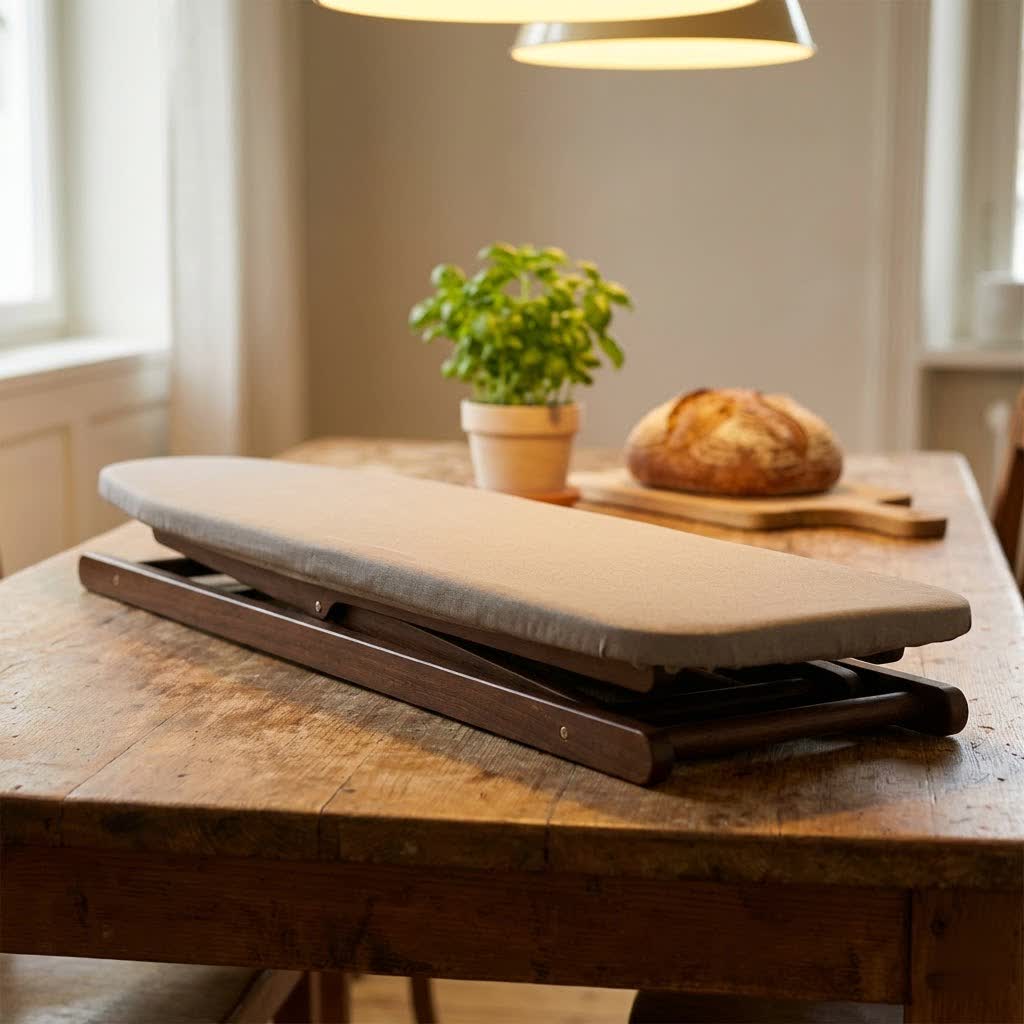
Step into any antique shop or browse through online vintage marketplaces, and you’re likely to encounter a charming relic from a bygone era: the old wood ironing board. Far more than just a utilitarian object, these pieces whisper tales of domestic life, craftsmanship, and a simpler approach to garment care. For enthusiasts of vintage home decor and those seeking a touch of nostalgic warmth, understanding the history, types, and nuances of these wooden treasures is key to appreciating their timeless allure.
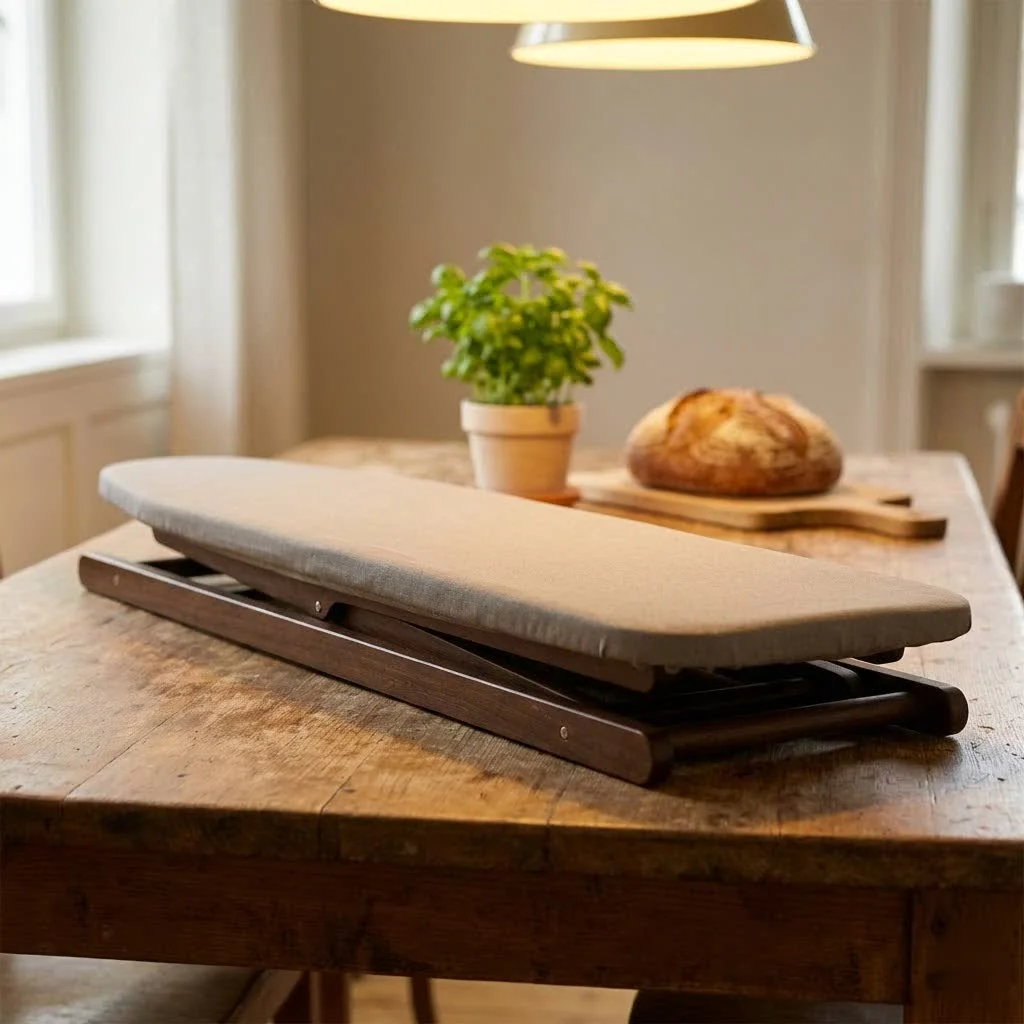
What is an Ironing Board?
An ironing board, in its essence, is a specially designed flat surface used to press clothes and other fabrics with a heated iron, removing wrinkles and giving garments a crisp, polished finish. While modern ironing boards often feature metal mesh tops and lightweight frames, the earliest forms of these essential household tools tell a different story, deeply rooted in the use of natural materials like wood. For more home laundry guides on this site.
The practice of smoothing clothes dates back centuries, with ancient civilizations employing various methods, from heated stones to rudimentary wooden paddles. The Vikings, for instance, are credited with using flat whalebone boards to press their garments as early as the 9th century. In Europe and America, early ironing was often done on a kitchen table or a simple wooden board propped between two chairs. The true evolution towards a dedicated “ironing table” began in the mid-19th century, with W. Vandenburg patenting an early design in 1858. Significant improvements continued, notably by Sarah Boone in 1892, whose design for a narrower, curved board specifically for sleeves and waists revolutionized the process. Early manufactured ironing boards, emerging by the late 19th century, were predominantly made of wood, often featuring collapsible legs for easier storage. While these wooden boards were prized for their solidity, they were also prone to warping under repeated heat and moisture exposure. Despite this, their sturdy construction and classic aesthetic cemented their place in household history before the widespread adoption of metal designs in the mid-20th century.
Common Types of Old Wood Ironing Boards
Old wood ironing boards come in a variety of designs, each reflecting the needs and domestic technologies of its time. Understanding these types helps in appreciating their historical context and potential uses today.
Standing Wooden Ironing Boards
These are perhaps the most recognizable form of old wood ironing boards, often featuring a long, solid wooden surface supported by a folding wooden frame. They were the workhorses of many homes, designed for durability and a stable pressing surface.
- Advantages:
- Robust Stability: The solid wood construction and sturdy legs offered a firm, unyielding surface, ideal for pressing heavier fabrics and larger items.
- Generous Surface Area: Most full-sized boards provided ample space, making quick work of sheets, tablecloths, and garments.
- Rustic Charm: Their natural wood finish and utilitarian design contribute significantly to a primitive or farmhouse aesthetic.
- Disadvantages:
- Bulk and Weight: These boards can be quite heavy and cumbersome, making them challenging to move and store, even when folded.
- Warping Tendency: Over time, exposure to heat and moisture from ironing could cause the wooden surface to warp or crack.
- Applications Today: Standing wooden ironing boards are popular decorative items, often repurposed as console tables, entryway tables, or unique plant stands. Some are still used for their original purpose by those who appreciate the traditional feel.
Built-in or Fold-away Wooden Boards
|
Our Picks for the Best Ironing Board in 2026
As an Amazon Associate I earn from qualifying purchases.
|
||
| Num | Product | Action |
|---|---|---|
| 1 | Full Size Ironing Board Made in USA – Beige by Seymour Home Products 4 Heavy-Duty Steel Legs Perforated Top for Steam Includes Cover & Pad Sturdy, Foldable Iron Board for Home & Laundry |

|
| 2 | Metal Mesh Panel Tabletop Ironing Board - Foldable Iron Board - Heavy Duty Small Iron Board with Heat Resistant Cover and 100% Cotton 8mm Thicken Pad - 31.5"x11.8"x6.2" |
|
| 3 | Metal Foldable Tabletop Ironing Board with Iron Rest, Portable Ironing Board Small with Heat Resistant Cotton Cover, RAINHOL Mini Iron Board for Small Space and Travel, 31"x12", Gray |
|
| 4 | Amazon Basics Ironing Board Tabletop 77x29 cm, White, Floral |
|
| 5 | Joseph Joseph Pocket Folding Tabletop Ironing Board with Iron Holder and wall mount, Compact Space-Saving , Grey/Yellow |
|
| 6 | Foldable Table Top Ironing Board with Iron Rest, Portable Ironing Board Small with Heat Resistant Cotton Cover, Mini Iron Board for Small Space and Travel, 31"x12", Black |
|
| 7 | Ironing Board Full Size 54x14, RAINHOL Heavy Duty Iron Board with Thick Padded Cover, Height Adjustable Ironing Boards with Smart Hanger, Heat-Resistant Silicone Pad Iron Rest |
|
| 8 | APEXCHASER Ironing Board Small with Iron Holder, Tabletop Small Iron Board with 2 Heat Resistant Ironing Covers, Portable Tabletop Ironing Board with Non-Slip Feet for Home Travel Use |
|
| 9 | Tabletop Ironing Board,Portable Iron Board with Iron Rest, Foldable Small Ironing Board with Heat Resistant Cover and 100% Cotton Pad, 31.5"x11.8"x7", Grey |
|
| 10 | KINGBOARD Tabletop Ironing Board, Small Ironing Boards with Iron Rest, Folding Iron Board, Extra Thick Cover, Portable Tabletop Ironing Board with Non-Slip Feet, 30x12 Blue |
|
Designed for space efficiency, these boards were integrated directly into cabinetry or walls, often found in dedicated laundry rooms or kitchens of older homes. They would typically fold out for use and then neatly tuck away.
- Advantages:
- Exceptional Space Saving: They disappear when not in use, ideal for smaller homes or specific laundry areas.
- Ready for Use: No need to retrieve and set up a freestanding board, making ironing a more immediate task.
- Streamlined Aesthetic: When folded away, they create a clean, uncluttered look.
- Disadvantages:
- Fixed Location: Their immobility means you are confined to a specific spot for ironing.
- Installation Dependent: Requires specific wall or cabinet structures for mounting.
- Applications Today: These boards are often cherished features in vintage homes. They can be fully restored for continued use or enjoyed as a unique architectural detail, showcasing historical home design.
Portable Wooden Ironing Boards (Tabletop & Sleeve Boards)
Smaller and more specialized, these boards cater to specific ironing needs or spaces. Tabletop versions rest on an existing surface, while sleeve boards are designed for ironing intricate garment details.
- Advantages:
- Compact and Lightweight: Easy to carry, store, and set up on any sturdy table or counter.
- Task-Specific: Sleeve boards, with their narrow, often tapered shape, are perfect for sleeves, collars, children’s clothes, and intricate sewing projects.
- Versatile: Tabletop boards offer a convenient solution for quick touch-ups or for those with limited space.
- Disadvantages:
- Limited Surface Area: Not suitable for large items like bedsheets or long dresses.
- Less Stability: Often lighter and may require a very stable base surface for secure ironing.
- Applications Today: Beyond their original function, tabletop boards make charming decorative accents, display risers, or even small craft surfaces. Sleeve boards are particularly sought after by quilters and sewers for precision pressing.
Child-Sized Wooden Ironing Boards
These miniature ironing boards were created for children, either as toys or to teach them household chores. They mimic the adult versions in design, often with collapsible legs and a simple wooden top.
- Advantages:
- Collectible Charm: Highly sought after by collectors of vintage toys and laundry memorabilia.
- Decorative Appeal: Perfect for adding a whimsical, nostalgic touch to a child’s room, nursery, or laundry-themed decor.
- Educational History: Serves as a tangible reminder of past methods of childhood education and play.
- Disadvantages:
- Not Functional for Adults: Too small and fragile for practical adult ironing tasks.
- Potential Fragility: Older toy boards may have delicate joints or finishes requiring careful handling.
- Applications Today: Primarily used for decorative purposes, displaying antique dolls, or as part of a vintage-inspired vignette. They are conversation starters and evoke a sense of innocence and tradition.
Comparison of Old Wood Ironing Board Types
Understanding the distinct characteristics of each type of old wooden ironing board can help you choose the right piece for your needs, whether for practical use, decoration, or collecting.
| Feature | Standing Wood Board | Built-in Wood Board | Portable/Sleeve Wood Board |
|---|---|---|---|
| Stability | High, due to solid construction | Very High, fixed to a structure | Low to Medium, depends on base |
| Convenience | Moderate, requires setup/folding | High, always ready | High, easy to retrieve/store |
| Ironing Area | Large, accommodating most items | Medium to Large, integrated | Small, ideal for details |
| Portability | Low to Medium, can be cumbersome | Very Low, fixed installation | High, easily moved or stored |
| Historical Value | High, common household staple | High, reflects domestic architecture | High, specialized tool |
Guide to Choosing an Old Wood Ironing Board
Selecting an old wood ironing board, whether for practical use, decorative display, or collecting, involves a blend of aesthetic appreciation and practical consideration. Your choice will depend on its intended purpose and how much historical authenticity you desire.
Material and Construction
The quality of the wood and its construction are paramount. Look for solid hardwoods like oak, pine, or maple, which were commonly used and offer durability. Inspect the grain and finish for signs of age, but also for excessive damage.
- Board Surface: Examine the main ironing surface for warps, cracks, or significant heat damage. Minor imperfections add character, but major structural issues can compromise stability or make it unsuitable for ironing.
- Frame and Legs: The supporting structure, typically also wood, should be sturdy and free of significant wobbles or broken joints. Check how the legs fold and lock into place; older mechanisms can be unique and charming.
- Original Hardware: Screws, hinges, and latches often indicate the board’s age and can be a sign of original condition. Rust is common but ensure it hasn’t compromised structural integrity.
Size and Dimensions
Consider the available space in your home and how you envision using the board. Full-size boards can be substantial, while tabletop or sleeve boards are much more compact.
- Length and Width: Measure the board’s dimensions to ensure it fits your desired display area or storage space.
- Height: For standing boards, check the height, especially if you plan to use it for ironing. Older boards might not have adjustable heights or may be lower than modern standards, which could impact ergonomic comfort.
- Folded Size: If storage is a concern, assess how compactly the board folds.
Stability and Safety
Even if primarily for decor, a stable board is safer and more visually appealing. If you plan to iron on it, stability is critical.
- Sturdy Legs: Ensure the legs lock securely when extended and that there’s no excessive wobble.
- Weight Distribution: A well-balanced board will stand firm without leaning.
- Surface Integrity: A flat, smooth surface is best for ironing, though a protective cover can mitigate minor imperfections.
Desirable Features and Historical Context
Some old wood ironing boards boast unique features that add to their appeal and value. These might include adjustable height mechanisms, integrated iron rests, or distinctive folding designs. Researching historical brands like Rid-Jid or J.R. Clark can also provide insight into quality and provenance, as these names are often associated with well-made vintage boards.
Value and Pricing
The price of an old wood ironing board can vary widely based on its age, rarity, condition, and provenance. Simple, common models might be found for under $50, while rare or exceptionally well-preserved pieces, especially those with unique features or strong historical ties, can fetch several hundred or even over a thousand dollars. When evaluating value, compare prices across various antique markets and online listings.
Popular Categories of Old Wood Ironing Boards
While not specific “products,” certain categories and styles of old wood ironing boards are highly sought after by collectors, decorators, and those who appreciate vintage craftsmanship. These boards offer unique aesthetic and historical value.
Primitive Farmhouse Folding Boards
These boards, often from the late 19th to early 20th century, feature a straightforward, robust design with simple folding legs. They embody the rustic charm of traditional farmhouses and are popular for their genuine aged look. Their unadorned aesthetic makes them versatile for integrating into country-style decor. The natural wood, often showing years of use,
Get our weekly buyer guide
Practical specs, not advice. Unsubscribe anytime.
