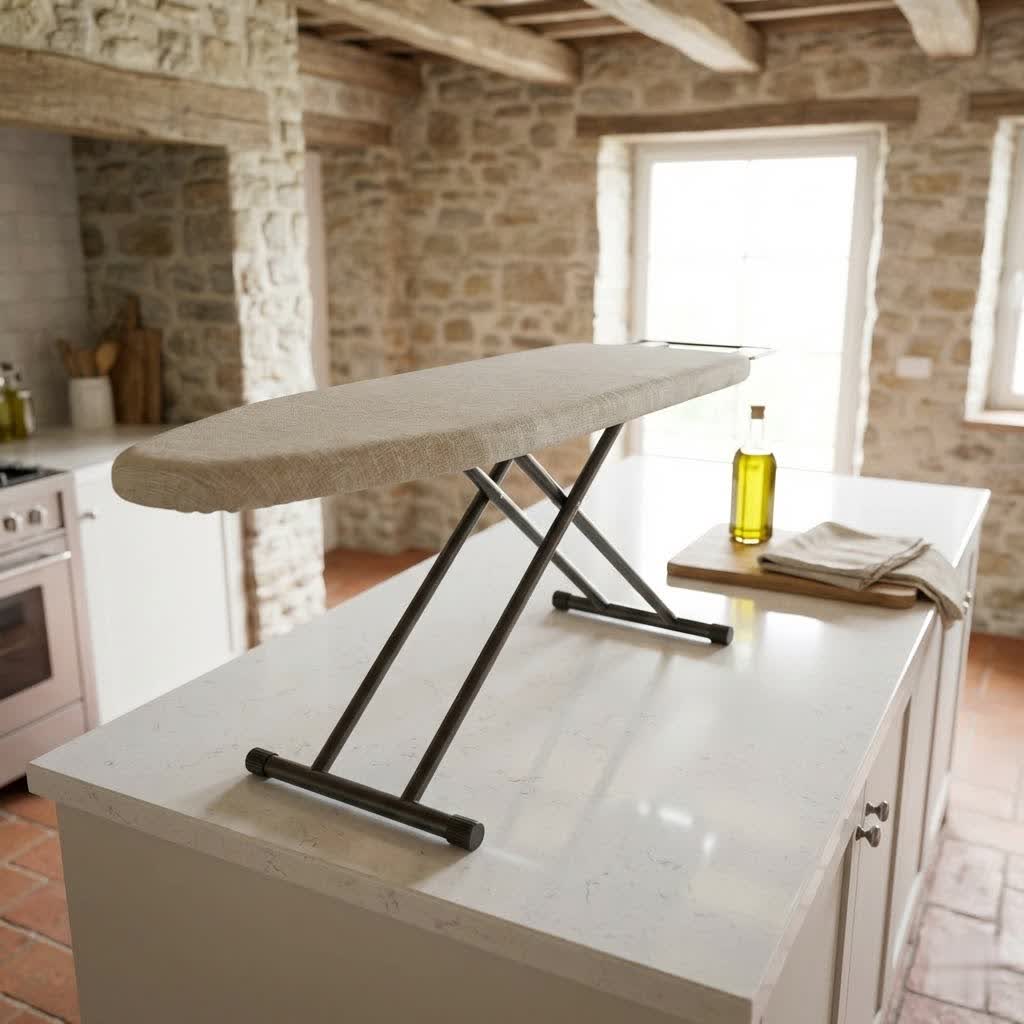
In an era dominated by sleek, modern appliances, there’s a unique charm in revisiting the classics, especially when it comes to household tools that once graced every home. Among these, the vintage wooden ironing board stands out, not just as a functional item but as a piece of history, craftsmanship, and enduring design. It represents a time when utility met artistry, offering both practicality and a warm aesthetic that many contemporary homes strive to recapture. If you appreciate the tactile beauty of natural materials and the sturdy reliability of bygone eras, understanding these timeless pieces is key to choosing one that fits your life and enhances your living space.
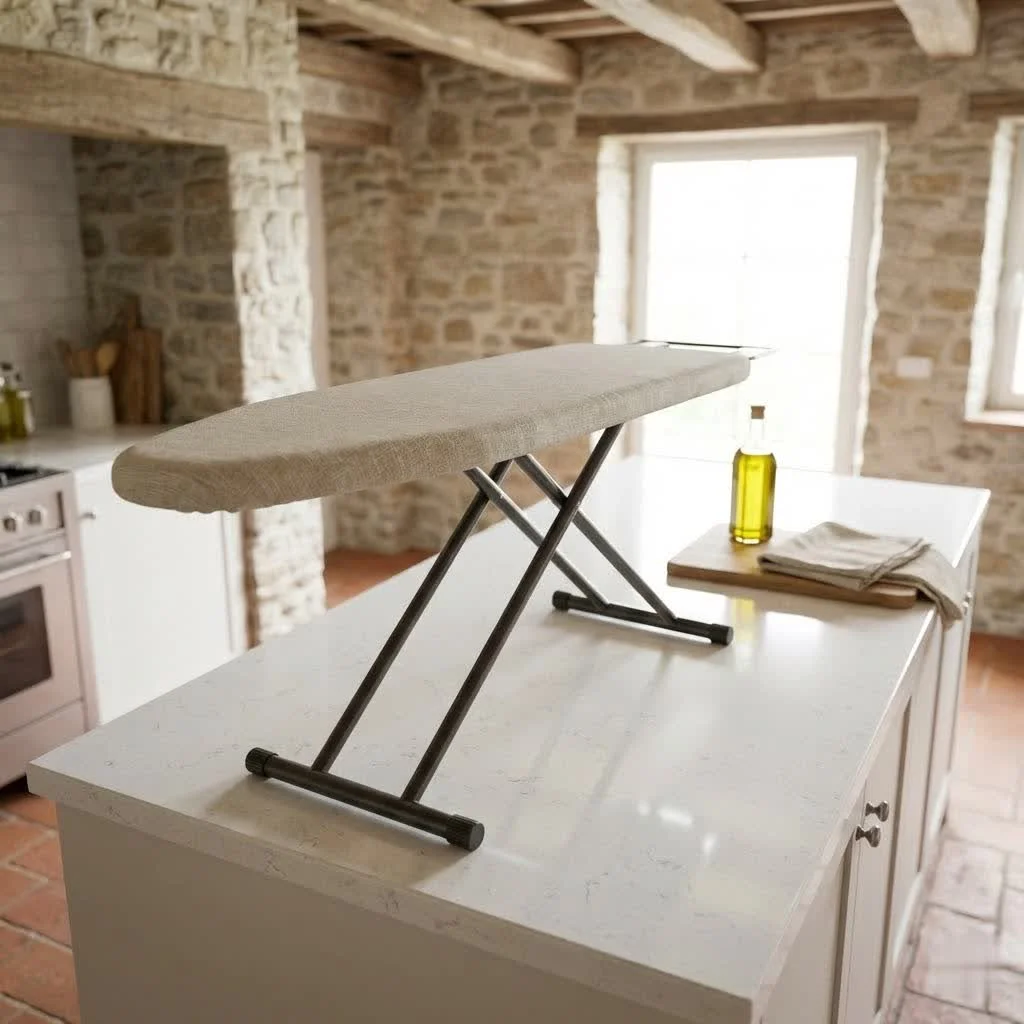
What is a Vintage Wooden Ironing Board?
A vintage wooden ironing board is essentially a surface, primarily constructed from wood, designed to support garments while they are being ironed. Unlike their modern counterparts often made from metal or plastic, these boards embrace the natural beauty and robust strength of timber. Historically, they served the same fundamental purpose – providing a flat, stable platform for pressing clothes – but did so with a distinct character and often superior build quality that has allowed many to survive through decades. Their evolution mirrors the changes in domestic life, moving from simple, fixed tables to more sophisticated foldable designs, yet always retaining that inherent connection to craftsmanship. For browse all home laundry articles on this site.
Types of Vintage Wooden Ironing Boards
The world of vintage wooden ironing boards is more diverse than one might initially imagine, reflecting varying needs and ingenuity in design across different eras.
Foldable/Standing Wooden Ironing Boards
These are perhaps the most recognizable type, featuring a wooden top and often collapsible wooden legs.
- Advantages: Their primary benefit is the combination of a large, stable ironing surface with the ability to fold down for storage, making them suitable for homes with dedicated laundry areas but also needing to reclaim floor space. They often boast superior stability compared to many modern lightweight boards.
- Disadvantages: Due to their solid construction, they can be heavier and bulkier when folded, requiring a bit more effort to set up and take down.
- Applications: Ideal for larger family homes, those who iron frequently, or individuals looking to add a touch of historical charm to a laundry room or utility space.
Tabletop Wooden Ironing Boards
Designed for portability and convenience, these boards are smaller and lack their own legs, instead resting on an existing table or countertop.
- Advantages: Exceptionally lightweight and compact, they are perfect for quick touch-ups or for individuals in smaller living spaces where a full-sized board isn’t practical. Their ease of movement makes them highly versatile.
- Disadvantages: The ironing area is typically much smaller, limiting the size of garments that can be comfortably ironed. They also require a suitable, sturdy surface to place them on.
- Applications: Excellent for apartments, dorm rooms, craft projects, or for travelers who need a compact ironing solution on the go.
Wall-Mounted Wooden Ironing Boards
|
Our Picks for the Best Ironing Board in 2026
As an Amazon Associate I earn from qualifying purchases.
|
||
| Num | Product | Action |
|---|---|---|
| 1 | Full Size Ironing Board Made in USA – Beige by Seymour Home Products 4 Heavy-Duty Steel Legs Perforated Top for Steam Includes Cover & Pad Sturdy, Foldable Iron Board for Home & Laundry |

|
| 2 | Tabletop Ironing Board,Portable Iron Board with Iron Rest, Foldable Small Ironing Board with Heat Resistant Cover and 100% Cotton Pad, 31.5"x11.8"x7", Grey |
|
| 3 | APEXCHASER Ironing Board Small with Iron Holder, Tabletop Small Iron Board with 2 Heat Resistant Ironing Covers, Portable Tabletop Ironing Board with Non-Slip Feet for Home Travel Use |
|
| 4 | Metal Mesh Panel Tabletop Ironing Board - Foldable Iron Board - Heavy Duty Small Iron Board with Heat Resistant Cover and 100% Cotton 8mm Thicken Pad - 31.5"x11.8"x6.2" |
|
| 5 | Joseph Joseph Pocket Folding Tabletop Ironing Board with Iron Holder and wall mount, Compact Space-Saving , Grey/Yellow |
|
| 6 | Metal Foldable Tabletop Ironing Board with Iron Rest, Portable Ironing Board Small with Heat Resistant Cotton Cover, RAINHOL Mini Iron Board for Small Space and Travel, 31"x12", Gray |
|
| 7 | Foldable Table Top Ironing Board with Iron Rest, Portable Ironing Board Small with Heat Resistant Cotton Cover, Mini Iron Board for Small Space and Travel, 31"x12", Black |
|
| 8 | Amazon Basics Ironing Board Tabletop 77x29 cm, White, Floral |
|
| 9 | KINGBOARD Tabletop Ironing Board, Small Ironing Boards with Iron Rest, Folding Iron Board, Extra Thick Cover, Portable Tabletop Ironing Board with Non-Slip Feet, 30x12 Blue |
|
| 10 | Ironing Board Full Size 54x14, RAINHOL Heavy Duty Iron Board with Thick Padded Cover, Height Adjustable Ironing Boards with Smart Hanger, Heat-Resistant Silicone Pad Iron Rest |
|
Though less common in all-wood designs than other types, some vintage homes featured built-in or wall-mounted wooden boards that folded down from a cabinet.
- Advantages: The ultimate space-saver, these boards permanently tuck away against a wall or into a shallow cabinet, making them invisible when not in use. They offer excellent stability as they are anchored to the structure.
- Disadvantages: They are fixed in one location, lacking any portability. Installation is required, and they might be harder to find in purely wooden vintage forms.
- Applications: Perfect for dedicated laundry rooms, utility closets, or custom-built homes where seamless integration and space efficiency are top priorities.
Built-in Wooden Ironing Boards
Often found within larger kitchen or utility cabinets in older homes, these boards slide or fold out directly from the furniture.
- Advantages: Provide exceptional stability and a completely integrated, discreet appearance. They offer a large ironing surface without taking up permanent floor space.
- Disadvantages: These are permanent fixtures, not easily moved or relocated. Finding a standalone vintage piece might be challenging; they are usually part of the original cabinetry.
- Applications: High-end homes or period properties with original built-in features, ideal for those seeking a highly stable and unobtrusive ironing solution.
Comparison Table of Vintage Wooden Ironing Board Types
| Feature | Foldable/Standing | Tabletop | Wall-Mounted | Built-in |
|---|---|---|---|---|
| Stability | High | Medium | High | Very High |
| Portability | Medium (when folded) | High | Low | Very Low |
| Ironing Area | Large | Small | Medium | Large |
| Space Saving | High (when folded) | High | Very High | Very High |
| Setup Effort | Medium | Low | Low | Very Low |
Guide to Choosing a Vintage Wooden Ironing Board
Selecting the perfect vintage wooden ironing board requires a discerning eye, balancing aesthetic appeal with practical considerations.
Material & Wood Type
The type and condition of the wood are paramount.
- Common Woods: Vintage boards were often crafted from durable woods like pine, oak, maple, or even birch. These woods offer different grains and patinas.
- Condition: Look closely for any signs of warping, cracks, or excessive splintering. Minor imperfections are part of the charm, but structural damage can compromise stability. Inspect the finish—is it original and worn, or has it been poorly refinished? A well-preserved original finish adds to its value and character.
Construction & Stability
The fundamental purpose of an ironing board is stability.
- Sturdy Legs: For standing models, ensure the legs are solid, not wobbly, and that all joints are tight.
- Hardware: Check the condition of original hardware like hinges, rivets, and latches. These should be fully functional and show minimal rust or corrosion. A board with robust construction will serve you well for years.
Size & Dimensions
Consider how and where you’ll use and store the board.
- Length, Width, Height: While many vintage boards don’t have adjustable height, measure to ensure it’s comfortable for your stature. The ironing surface should be large enough for your typical garments.
- Storage Footprint: If space is a concern, measure its dimensions when folded or stowed.
Features & Accessories
Some vintage boards come with delightful and practical extras.
- Original Cover: A rare find, an original fabric cover can be a beautiful historical detail, though you’ll likely want to replace it for hygienic and practical reasons.
- Iron Rest: Many boards include a built-in iron rest, often a metal tray or a specially designed wooden slot.
- Sleeve Boards: Smaller, often detachable, boards specifically for ironing sleeves.
Authenticity & Era
Understanding the board’s origin adds to its story.
- Research: Look for maker’s marks, stamps, or labels (e.g., Metwood, Arvin were popular brands). Researching these can help date the board and verify its authenticity.
- Patina vs. Damage: A natural patina developed over time is desirable; it tells a story. Distinguish this from actual damage or neglect.
Price & Value
The value of a vintage wooden ironing board varies widely.
- Factors: Rarity, condition, brand, and geographical location all play a role. A well-preserved, unique piece from a known manufacturer will command a higher price.
- Where to Find: Excellent places to hunt include antique shops, vintage markets, online marketplaces (Etsy, eBay), estate sales, and even thrift stores. Comparison shopping is key.
Restoring and Maintaining Your Vintage Wooden Ironing Board
A vintage wooden ironing board, like any cherished antique, benefits from proper care and occasional restoration. With a little effort, you can ensure its beauty and functionality endure for generations.
Cleaning the Wood
Start with gentle cleaning to remove accumulated dirt and grime.
- For general dirt, use a soft cloth dampened with a mild soap solution. Wipe dry immediately.
- For stubborn stains, a very fine steel wool (0000 grade) used gently with a wood cleaner or mineral spirits can be effective, but always test in an inconspicuous area first.
Refinishing
If the original finish is severely damaged or you desire a new look, refinishing is an option.
- Sanding: Lightly sand the wood to remove old finish and smooth imperfections. Start with a medium grit (120-150) and finish with a finer grit (220).
- Staining/Sealing: Apply a wood stain to enhance the grain, followed by a durable sealant (polyurethane or wax) to protect the wood from moisture and wear. This will bring out the natural beauty of the vintage wooden ironing board.
Replacing the Cover
The fabric cover is almost certainly not original and will need replacing for hygiene and better ironing performance.
- Choose a heat-resistant, thick cotton or padded cover. Many standard ironing board covers can be adapted, or you can custom-make one for a perfect fit. Ensure it’s tightly secured to prevent wrinkling during ironing.
Hardware Maintenance
Keep the moving parts in good working order.
- Lubricating: Apply a silicone spray or a small amount of household oil to hinges and folding mechanisms to ensure smooth operation.
- Tightening: Periodically check and tighten any screws or bolts that might have loosened over time.
Storage Tips
Proper storage is crucial to prevent damage.
- Store the board in a dry, stable environment away from extreme temperature fluctuations or direct sunlight, which can cause wood to warp or crack.
- If folding, ensure it’s fully collapsed and secured to prevent accidental opening.
Why a Vintage Wooden Ironing Board is a Timeless Investment
Embracing a vintage wooden ironing board is more than just acquiring a tool; it’s making a statement about valuing craftsmanship, sustainability, and enduring style.
- Aesthetic Appeal: These boards introduce a unique warmth and character that modern, mass-produced items often lack. The rich patina of aged wood and classic design elements can transform a mundane utility space into an area of historical charm.
- Durability and Craftsmanship: Built in an era where products were made to last, many vintage wooden ironing boards showcase superior construction and materials. They often outlast their contemporary counterparts, a shows the quality of materials and the skill of their makers.
- Sustainability: Choosing a vintage item is an inherently sustainable act. You are giving a new life to an existing product, reducing demand for new manufacturing, and lessening environmental impact. It’s a mindful choice for the eco-conscious consumer.
- Potential for Value: Unlike many functional items that depreciate, well-maintained vintage pieces, especially those from reputable makers or with unique features, can retain or even increase in value over time, becoming cherished heirlooms.
Conclusion
The enduring appeal of the vintage wooden ironing board lies in its perfect blend of historical charm, robust functionality, and sustainable value. From the practical benefits of a sturdy, stable surface to the undeniable aesthetic warmth it brings to a home, these timeless pieces offer something truly special. Choosing a vintage board means investing in a piece of history that continues to serve a valuable purpose while adding unparalleled character to your living space. Consider the rich narratives embedded within its grain and the legacy of craftsmanship it carries. Have you ever considered how a simple household item could hold so much history and heart?
Frequently Asked Questions
How do I know if my wooden ironing board is truly vintage?
To determine if your wooden ironing board is truly vintage, look for manufacturer stamps or labels, which often include a patent date or company name. Examine the construction techniques; early boards typically feature visible screws, nails, or unique hinge designs rather than modern plastic or composite parts. The wood’s natural patina, signs of age-appropriate wear, and a general lack of synthetic components are strong indicators of its vintage status.
What’s the best way to clean a very old wooden ironing board?
For a very old wooden ironing board, start with a dry soft cloth to remove loose dust. Then, use a slightly damp cloth with a mild soap (like diluted dish soap) or a specialized wood cleaner, wiping gently. Avoid saturating the wood, and dry it immediately to prevent moisture damage. For stubborn grime, a very fine grade steel wool (0000) with wood cleaner can be used cautiously on inconspicuous areas.
Are vintage wooden ironing boards still practical for modern use?
Yes, vintage wooden ironing boards are often very practical for modern use. Their sturdy construction frequently surpasses that of newer, lighter models, providing an exceptionally stable surface for ironing. While some may lack height adjustability, their aesthetic appeal and durability make them excellent functional pieces that add unique character to a contemporary laundry room or living space.
Can I paint my vintage wooden ironing board?
While you can paint your vintage wooden ironing board, it’s generally recommended to preserve or restore the natural wood finish if it’s in good condition, as this often contributes to its historical value and charm. If the original finish is severely damaged or you prefer a specific aesthetic, thorough cleaning, light sanding, and priming are essential before applying a suitable wood paint for a durable and attractive result.
Get our weekly buyer guide
Practical specs, not advice. Unsubscribe anytime.
