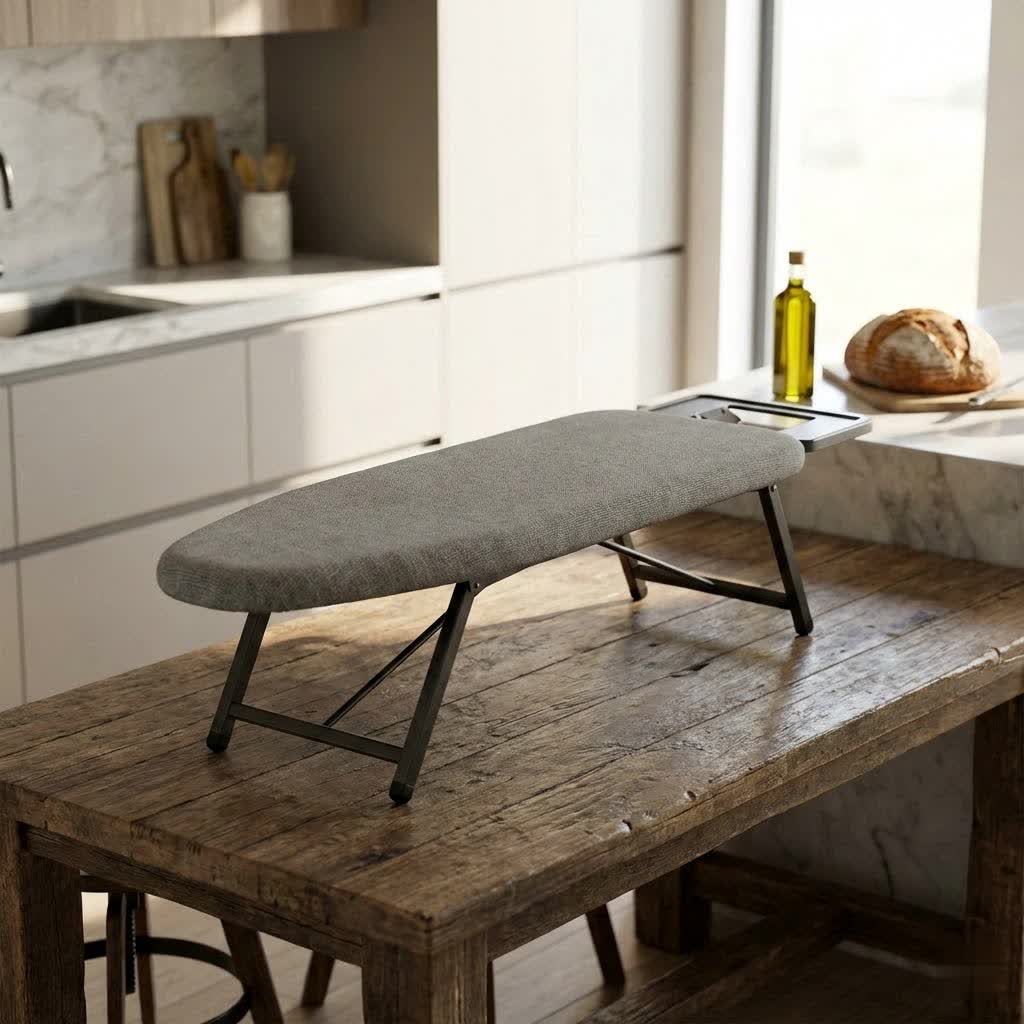
For those who appreciate the artistry and practicality of household items from yesteryear, the antique wood ironing board stands as a shows enduring craftsmanship. Far more than just a tool for pressing garments, these vintage pieces carry a rich history, showcasing ingenuity that evolved with the changing needs of homes. Whether you’re a seasoned collector, a decor enthusiast, or someone seeking a unique functional piece, understanding the journey and characteristics of these wooden workhorses is a fascinating endeavor.
What is an Ironing Board? A Glimpse into its Past
At its core, an ironing board is a flat, stable surface designed to facilitate the smoothing of fabric with a heated iron. While modern versions predominantly feature metal and synthetic covers, early iterations were often born out of necessity and crafted from natural materials, primarily wood. These humble beginnings laid the groundwork for the specialized designs we recognize today, transforming a mundane chore into a more manageable task within the domestic sphere.
The Fascinating History of Wooden Ironing Boards
The concept of pressing clothes to remove wrinkles dates back centuries, with rudimentary methods involving heated stones and flat pieces of whalebone used by cultures like the Vikings in the 9th century. As civilizations advanced, people often relied on makeshift surfaces such as kitchen tables or planks of wood propped between two chairs. This informal approach to ironing remained common for a significant period.
The mid-19th century marked a pivotal shift with the advent of patented designs. W. Vandenburg introduced an “ironing table” in 1858, and Isaac Ronnie Bord followed in 1861 with a patent for an adjustable flat surface. A major innovation arrived in 1866 when S.A. Mort secured a patent for the first truly folding ironing board, which ingeniously included a removable pressboard specifically for sleeves. Further advancements were made by Elijah McCoy, who patented a portable wood ironing board in 1874. However, it was Sarah Boone, an African American inventor, who in 1892 patented significant improvements to the ironing board, developing a curved, narrow, and reversible wooden design optimally shaped for ironing women’s garments and sleeves.
By the late 19th century, manufacturers began producing ready-made wooden ironing boards, often featuring collapsible legs for easier storage. Companies like S. J. Bailey, Inc., manufactured these for retailers such as Sears Roebuck & Co. While these early manufactured wooden boards represented a significant convenience, they were often prone to warping under the heat and moisture of ironing. The early 20th century saw a gradual transition, with the introduction of metal-topped boards and eventually the all-metal collapsible designs that became common by 1940.
Types of Antique Wooden Ironing Boards
Antique wooden ironing boards come in several forms, each reflecting the needs and domestic environments of their era. Understanding these types helps in identifying their original purpose and potential for modern-day use or display.
Traditional Freestanding Boards
|
Our Picks for the Best Ironing Board in 2026
As an Amazon Associate I earn from qualifying purchases.
|
||
| Num | Product | Action |
|---|---|---|
| 1 | Foldable Table Top Ironing Board with Iron Rest, Portable Ironing Board Small with Heat Resistant Cotton Cover, Mini Iron Board for Small Space and Travel, 31"x12", Black |

|
| 2 | Tabletop Ironing Board,Portable Iron Board with Iron Rest, Foldable Small Ironing Board with Heat Resistant Cover and 100% Cotton Pad, 31.5"x11.8"x7", Grey |
|
| 3 | Ironing Board Full Size 54x14, RAINHOL Heavy Duty Iron Board with Thick Padded Cover, Height Adjustable Ironing Boards with Smart Hanger, Heat-Resistant Silicone Pad Iron Rest |
|
| 4 | Metal Foldable Tabletop Ironing Board with Iron Rest, Portable Ironing Board Small with Heat Resistant Cotton Cover, RAINHOL Mini Iron Board for Small Space and Travel, 31"x12", Gray |
|
| 5 | Full Size Ironing Board Made in USA – Beige by Seymour Home Products 4 Heavy-Duty Steel Legs Perforated Top for Steam Includes Cover & Pad Sturdy, Foldable Iron Board for Home & Laundry |
|
| 6 | Joseph Joseph Pocket Folding Tabletop Ironing Board with Iron Holder and wall mount, Compact Space-Saving , Grey/Yellow |
|
| 7 | Metal Mesh Panel Tabletop Ironing Board - Foldable Iron Board - Heavy Duty Small Iron Board with Heat Resistant Cover and 100% Cotton 8mm Thicken Pad - 31.5"x11.8"x6.2" |
|
| 8 | Amazon Basics Ironing Board Tabletop 77x29 cm, White, Floral |
|
| 9 | APEXCHASER Ironing Board Small with Iron Holder, Tabletop Small Iron Board with 2 Heat Resistant Ironing Covers, Portable Tabletop Ironing Board with Non-Slip Feet for Home Travel Use |
|
| 10 | KINGBOARD Tabletop Ironing Board, Small Ironing Boards with Iron Rest, Folding Iron Board, Extra Thick Cover, Portable Tabletop Ironing Board with Non-Slip Feet, 30x12 Blue |
|
These are perhaps the most recognizable style, often featuring a solid wooden top supported by sturdy, sometimes folding, wooden legs. They provided a large, stable surface for general ironing tasks. While convenient for those with ample space, their bulk could be a drawback in smaller homes, making storage challenging. Many examples found today boast a beautiful, aged patina, often retaining their original, robust construction.
Folding/Collapsible Boards
An evolution in convenience, folding wooden ironing boards were designed to be more space-efficient. Patented as early as 1866, these boards featured mechanisms that allowed their legs to fold flat against the board or detach entirely. This design made them easier to store in closets or hang on walls, appealing to households where space was at a premium. Their portability also meant they could be set up in any room with adequate lighting and warmth.
Tabletop and Sleeve Boards
Smaller, more specialized wooden boards also existed, often referred to as tabletop or sleeve boards. These compact designs were intended for ironing smaller items, delicate fabrics, or specific garment parts like sleeves and collars. Sarah Boone’s influential patent focused on such a design, highlighting its curved, narrow, and reversible nature for optimal pressing of women’s clothing. These smaller boards required placement on an existing table or surface and were invaluable for intricate detail work.
Comparing Antique Wooden Ironing Board Styles
Antique wooden ironing boards offer a blend of history and functionality, with different styles catering to various needs.
| Feature | Freestanding | Folding/Collapsible | Tabletop/Sleeve |
|---|---|---|---|
| Stability | High | Medium-High | Low (requires sturdy base) |
| Portability | Low | High | Very High |
| Ironing Area | Large | Medium | Small/Specific |
| Storage Ease | Low (bulky) | High | Very High |
| Primary Use | General garment ironing | General ironing (space-saving) | Sleeves, small items, pressing seams |
Your Guide to Selecting an Antique Wooden Ironing Board
Choosing an antique wooden ironing board, whether for display, light use, or collection, involves careful consideration of several factors.
-
Material and Craftsmanship: Early boards were typically made from solid wood. Look for pieces crafted from pale softwood for cleanliness or oak for strength, as recommended in 19th-century housekeeping guides. The type of wood, joinery, and presence of original metal hardware (hinges, latches) can speak volumes about its age and quality.
-
Size and Structure: Consider the dimensions – length, width, and height when unfolded. Some boards feature adjustable heights, a valuable characteristic for functionality. Examine the stability of the legs and the integrity of any folding mechanisms. A well-preserved antique should ideally stand without excessive wobbling.
-
Condition and Patina: The charm of an antique lies in its story, evident in its wear and patina. Look for a “lovely patina” to the wood, indicating natural aging rather than significant damage. Minor water staining, nicks, or faded finishes are often acceptable and add character. However, avoid boards with severe cracks, splits, significant warping that compromises stability, or extensive repairs that detract from its original aesthetic.
-
Authenticity and Historical Significance: Researching known manufacturers like S. J. Bailey, Inc. or boards marked with names such as Rid Jid can help confirm authenticity and add to a piece’s collectible value. Boards associated with specific periods or design innovations, such as those reflecting Sarah Boone’s improvements, hold particular historical interest.
-
Understanding Value: The price of an antique wooden ironing board can vary widely based on its age, rarity, condition, and the artistry of its design. A rare, well-preserved piece by a notable maker will command a higher price than a common, heavily damaged one. Antique shops, online marketplaces like Etsy and eBay, and flea markets are excellent places to find these unique items.
Beyond Ironing: Creative Uses for Your Antique Wood Ironing Board
One of the greatest appeals of antique wooden ironing boards today is their versatility as decorative accents and functional repurposed items. Their rustic charm and unique shape make them perfect for adding character to any home.
-
Decorative Accents: A bare wooden ironing board, with its natural grain and aged patina, can be a stunning focal point in farmhouse, rustic, or vintage-modern interiors. Display it unfolded in a laundry room for an authentic touch, or lean a folding board against a wall as a piece of sculptural art.
-
Functional Repurposing: Unleash your creativity! An antique ironing board can be transformed into a charming snack table for gatherings, a unique bar cart in a small living space, or even a high-boy table for dining or display. Its narrow profile makes it ideal as a console table behind a sofa or in an entryway. For book lovers, propping it with books can create an inviting book nook, while showcasing vintage goblets with fresh flowers turns it into a delightful flower stand vignette. Its flat surface also lends itself well to becoming a craft station or a temporary desk.
Preserving and Caring for Your Wooden Heirloom
An antique wooden ironing board, like any cherished wooden antique, requires proper care to maintain its beauty and structural integrity for generations to come.
-
Gentle Cleaning Techniques: Begin by dusting the board thoroughly with a soft, dry cloth. For deeper cleaning, use a slightly damp cloth with mild soap, wiping gently to remove grime without saturating the wood. Always dry the surface immediately with a clean, soft cloth. Avoid harsh chemical cleaners that can strip the finish or damage the wood.
-
Nourishing the Wood: Wood, especially aged wood, benefits from occasional oiling to prevent drying and cracking. Products like Old English furniture oil or Danish oil can nourish the wood, enhance its natural luster, and help maintain its flexibility. Apply the oil with a soft cloth, allowing it to penetrate for several hours or overnight, then buff off any excess.
-
Addressing Common Issues: Warping was a common problem with early wooden boards due to heat and moisture. If your board has slight warping, it might be mitigated by clamping it flat for an extended period, though severe warping can be difficult to fully correct. Check all original hardware; clean any rust with a fine steel wool or specialized rust remover, and lubricate hinges to ensure smooth operation of folding mechanisms.
-
Modern Covers for Historical Boards: If you intend to use your antique board for actual ironing, consider covering it with a modern, heat-resistant ironing board cover. You can make a custom cover by cutting fabric on the bias for optimal stretch, ensuring it fits snugly over any original padding. This protects the historic wood while providing an effective ironing surface.
The antique wood ironing board offers a captivating blend of history, utility, and aesthetic appeal. These pieces connect us to the past, reminding us of simpler times and the ingenuity of domestic design. Whether displayed as a treasured relic or ingeniously repurposed, an antique wooden ironing board adds a unique layer of character and conversation to any home. How will you integrate this piece of history into your modern living space?
Frequently Asked Questions
What makes an ironing board “antique”?
An ironing board is generally considered antique if it is 100 years old or older, though “vintage” often refers to items between 20 and 99 years old. Antique wooden ironing boards typically date from the late 19th century to the early 20th century, before all-metal designs became prevalent.
Were all early ironing boards made of wood?
No, not all early ironing boards were made of wood. The earliest smoothing devices included whalebone from the Vikings, and later, people used kitchen tables or simple planks. However, mass-produced and patented ironing boards from the 19th century often featured substantial wooden construction.
Can I still use an antique wooden ironing board for ironing?
Yes, many antique wooden ironing boards can still be used for ironing, especially if they are structurally sound. It’s recommended to clean and treat the wood, and then fit it with a modern, heat-resistant ironing board cover to protect the antique surface and provide an optimal ironing experience.
How do I clean and restore an old wooden ironing board?
To clean, gently dust and wipe with a damp, mild soap cloth, drying immediately. For restoration, nourish the wood with furniture oil (like Old English or Danish oil). Address warping by clamping and repair any loose hardware, carefully cleaning rust from metal components.
What are some creative ways to repurpose an antique wood ironing board?
Antique wooden ironing boards are highly versatile for repurposing. Popular ideas include using them as decorative console tables, unique bar carts, practical craft stations, charming flower stands, or even as high-boy tables in a rustic or farmhouse-style setting.
Get our weekly buyer guide
Practical specs, not advice. Unsubscribe anytime.
