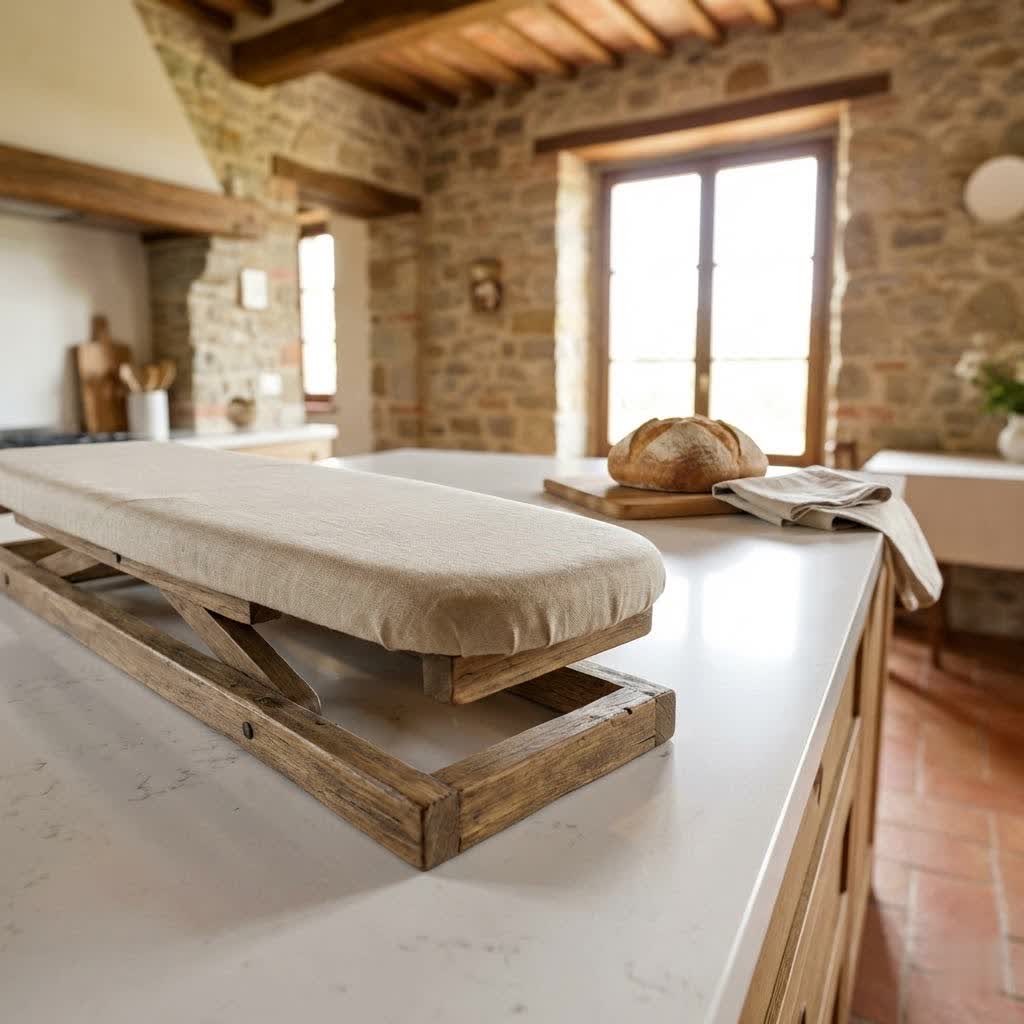
Every perfectly pressed garment begins with the right foundation – your ironing board. Often overlooked, the fabric covering your ironing board plays a pivotal role in the efficiency and quality of your ironing. It’s more than just a decorative layer; it’s a critical component designed to withstand intense heat, manage steam, and provide a smooth, stable surface for wrinkle removal. Understanding the nuances of ironing board fabric is key to achieving crisp shirts, smooth trousers, and flawless finishes every time you iron.
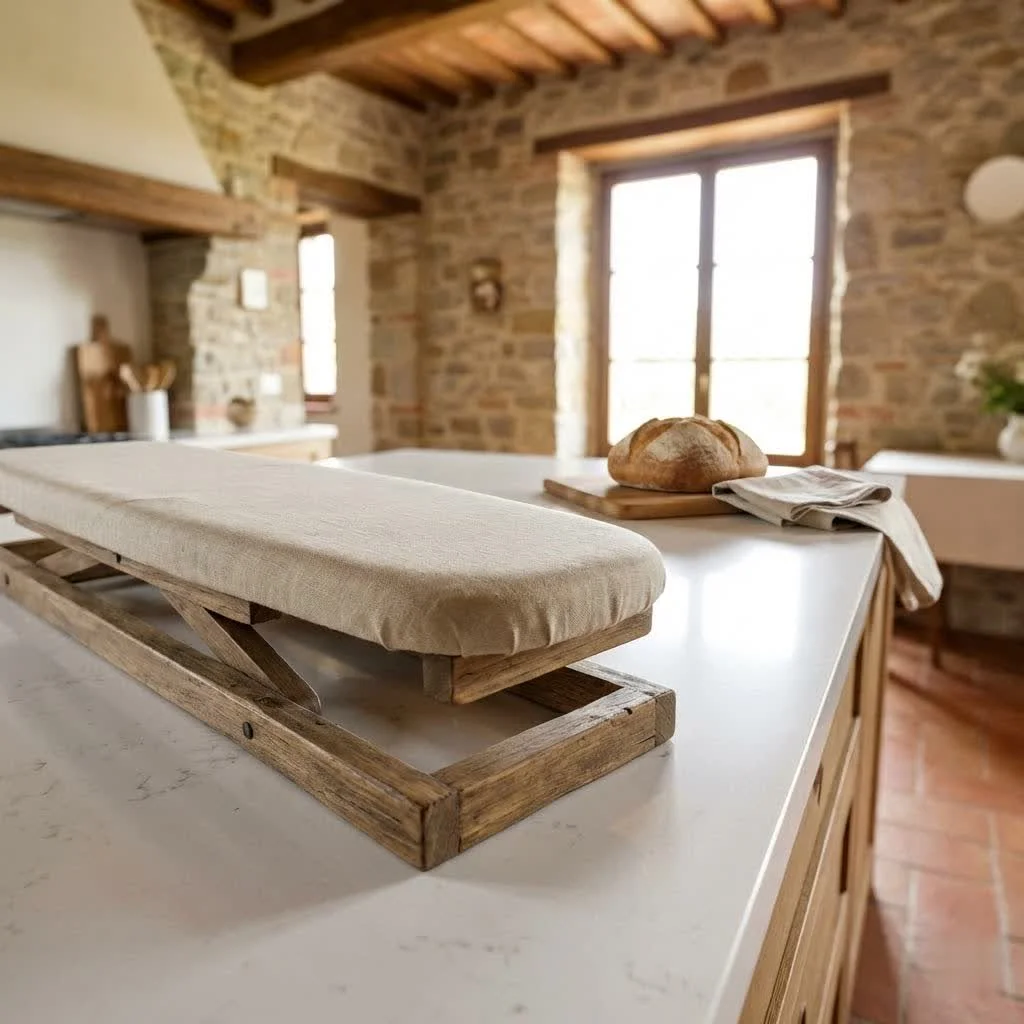
What is Ironing Board Fabric?
Ironing board fabric refers to the specialized material that forms the top layer and often the underlying padding of an ironing board. Its primary purpose is to create an optimal surface for ironing, facilitating heat transfer, steam absorption, and a non-stick glide for your iron. Beyond the immediate surface, the fabric and its padding protect your clothes from the metal mesh of the board itself, ensuring an even, smooth result without unwanted imprints. Over the years, materials have evolved from simple cotton to advanced synthetics and coated fabrics, each designed to enhance the ironing experience with properties like increased heat reflection and scorch resistance.
Popular Types of Ironing Board Fabric
The market offers a diverse range of ironing board fabrics, each with unique characteristics catering to different ironing needs and preferences. Choosing the right type can significantly impact the ease and effectiveness of your ironing tasks.
Cotton Ironing Board Fabric
Cotton remains a classic choice for ironing board covers due to its natural properties.
- Pros: Cotton is highly breathable and excels at absorbing steam, making it ideal for regular ironing with steam irons. It provides a natural, soft surface that is pleasant to work on. High-quality, unbleached cotton is known for its strength and durability.
- Cons: While generally robust, cotton can be susceptible to scorching if exposed to high heat for extended periods, and it does not inherently reflect heat.
- Applications: Best for everyday use and for those who prefer natural materials. It’s often the most budget-friendly option. A tighter weave cotton is recommended for a smoother ironing surface.
Metallic/Silver Coated Ironing Board Fabric
These covers feature a cotton or synthetic base coated with a metallic (often silver or aluminum) finish.
- Pros: The metallic coating is designed to reflect heat directly back to your garment, effectively ironing both sides simultaneously and significantly speeding up the process. This material also offers enhanced scorch resistance, providing an extra layer of protection against accidental burns. It creates a smoother surface, allowing the iron to glide effortlessly.
- Cons: The reflective surface can sometimes feel less breathable than pure cotton, and the metallic coating may degrade or flake over extended use, impacting its efficiency.
- Applications: Excellent for efficient ironing, especially when dealing with synthetic fabrics or large loads. Ideal for those seeking faster ironing times and improved scorch protection.
Teflon/Silicone Coated Fabric
|
Our Picks for the Best Ironing Board in 2026
As an Amazon Associate I earn from qualifying purchases.
|
||
| Num | Product | Action |
|---|---|---|
| 1 | APEXCHASER Ironing Board Small with Iron Holder, Tabletop Small Iron Board with 2 Heat Resistant Ironing Covers, Portable Tabletop Ironing Board with Non-Slip Feet for Home Travel Use |

|
| 2 | Amazon Basics Ironing Board Tabletop 77x29 cm, White, Floral |
|
| 3 | Ironing Board Full Size 54x14, RAINHOL Heavy Duty Iron Board with Thick Padded Cover, Height Adjustable Ironing Boards with Smart Hanger, Heat-Resistant Silicone Pad Iron Rest |
|
| 4 | Joseph Joseph Pocket Folding Tabletop Ironing Board with Iron Holder and wall mount, Compact Space-Saving , Grey/Yellow |
|
| 5 | Tabletop Ironing Board,Portable Iron Board with Iron Rest, Foldable Small Ironing Board with Heat Resistant Cover and 100% Cotton Pad, 31.5"x11.8"x7", Grey |
|
| 6 | Metal Mesh Panel Tabletop Ironing Board - Foldable Iron Board - Heavy Duty Small Iron Board with Heat Resistant Cover and 100% Cotton 8mm Thicken Pad - 31.5"x11.8"x6.2" |
|
| 7 | Foldable Table Top Ironing Board with Iron Rest, Portable Ironing Board Small with Heat Resistant Cotton Cover, Mini Iron Board for Small Space and Travel, 31"x12", Black |
|
| 8 | KINGBOARD Tabletop Ironing Board, Small Ironing Boards with Iron Rest, Folding Iron Board, Extra Thick Cover, Portable Tabletop Ironing Board with Non-Slip Feet, 30x12 Blue |
|
| 9 | Metal Foldable Tabletop Ironing Board with Iron Rest, Portable Ironing Board Small with Heat Resistant Cotton Cover, RAINHOL Mini Iron Board for Small Space and Travel, 31"x12", Gray |
|
| 10 | Full Size Ironing Board Made in USA – Beige by Seymour Home Products 4 Heavy-Duty Steel Legs Perforated Top for Steam Includes Cover & Pad Sturdy, Foldable Iron Board for Home & Laundry |
|
Similar to metallic coatings, these fabrics incorporate advanced synthetic treatments for superior performance.
- Pros: Teflon or silicone coatings provide exceptional heat resistance and a highly non-stick surface, ensuring the iron glides with minimal effort. These materials are extremely durable and offer robust protection against scorching. They are also often water and stain-resistant.
- Cons: These advanced covers tend to be more expensive than basic cotton or even metallic options. While highly functional, some users might miss the natural feel of cotton.
- Applications: Favored by professionals or individuals who iron frequently and demand the highest performance and longevity. Suitable for heavy-duty ironing and delicate fabrics requiring a smooth, protected surface.
Felt or Wool Padding (Underneath Cover)
While not the top layer, the padding underneath the cover is crucial for optimal ironing.
- Pros: Felt or wool padding provides essential cushioning, allowing steam to penetrate garments thoroughly and preventing impressions from the ironing board’s mesh. Wool felt, in particular, is highly heat-resistant and doesn’t retain moisture as much as cotton batting, offering superior performance and longevity.
- Cons: Padding can compress over time, reducing its effectiveness and requiring replacement. Foam padding can yellow and degrade with heat.
- Applications: Essential for all ironing boards to create a soft, even surface and enhance steam distribution.
Comparison Table of Ironing Board Fabric Types
| Feature | Cotton | Metallic/Silver | Teflon/Silicone |
|---|---|---|---|
| Heat Resistance | Moderate | High | Very High |
| Scorch Resistance | Low-Medium | High | Very High |
| Steam Absorption | High | Medium | Low |
| Durability | Medium | Medium-High | Very High |
| Cost | Low | Medium | High |
| Reflectivity | Low | High | Medium |
| Gliding | Moderate | Good | Excellent |
How to Choose the Best Ironing Board Fabric (Buying Guide)
Selecting the perfect ironing board fabric involves considering several factors to ensure it meets your specific needs and ironing habits.
Material Composition
The core material and any coatings significantly impact performance. Look for 100% unbleached cotton for breathability and steam absorption. For enhanced speed and scorch resistance, opt for metallic or Teflon-coated covers. Blended fabrics, often cotton and polyester, offer a good balance of strength and wrinkle resistance.
Padding Thickness
Adequate padding is vital. A thick felt or wool padding (typically 5-8mm) provides a soft, cushioned surface, allows for better steam penetration, and protects clothes from the board’s metal mesh. Avoid thin, cheap foam padding that can yellow and degrade quickly.
Fit and Fasteners
A snug, wrinkle-free fit is paramount. Covers with drawstrings, elasticized edges, or toggle clamps ensure the fabric stays taut and smooth during ironing. A loose cover can create creases in your garments, defeating the purpose of ironing. Make sure the cover dimensions are appropriate for your board size, often allowing a few extra centimeters for a secure fit.
Durability and Maintenance
Consider how long the cover will last and how easy it is to clean. High-quality fabrics like thick cotton or durable coated synthetics will withstand frequent use and high temperatures better. Many covers are machine washable or can be wiped clean, which is a convenient feature for maintaining hygiene and appearance.
Budget
Ironing board covers come in a range of prices. While it’s tempting to opt for the cheapest, investing a little more in a durable, high-performance fabric can save you money and frustration in the long run. Compare prices from reputable brands, but prioritize quality over a minimal initial saving.
Special Features
Some covers offer additional benefits such as water repellency, stain resistance, or extra thick padding layers. Heat-reflective properties are a valuable feature for faster ironing, essentially allowing you to iron both sides of the garment simultaneously.
Top Ironing Board Fabric Features to Look For
While specific product recommendations might vary, focusing on these features will guide you to excellent choices:
- Triple-Layer Construction: Many high-quality covers boast multiple layers – typically a top fabric, a dense felt or foam padding, and a breathable mesh or base layer. This construction enhances heat protection, steam transfer, and durability.
- Heat-Reflective Surface: Covers with metallic or aluminum coatings are highly effective, redirecting heat back into garments for quicker, more efficient ironing.
- Heavy-Duty Cotton with Scorch Resistance: A thick, tightly woven cotton cover combined with a scorch-resistant treatment or coating offers the best of both worlds: natural feel and enhanced safety.
- Integrated Padding: Covers that come with integrated, substantial padding, rather than requiring separate layers, often provide a better, more secure fit and consistent performance.
Tips for Using and Maintaining Your Ironing Board Fabric
Proper usage and maintenance can significantly extend the life of your ironing board fabric and enhance your ironing results.
Correct Installation
Always ensure your ironing board cover is installed smoothly and tightly. Pull the drawstring or elastic firmly to eliminate any wrinkles or bumps on the surface. A perfectly flat surface is crucial for achieving crease-free clothes.
Cleaning and Care
Regular cleaning prevents residue buildup and maintains the fabric’s efficiency. For most covers, a simple wipe down with a damp cloth is sufficient. Some cotton or blended covers are machine washable; always check the manufacturer’s care instructions. Avoid harsh chemicals that could degrade specialized coatings.
Preventing Scorching
While many modern covers are scorch-resistant, it’s always best practice to use the appropriate iron temperature for your garments. Avoid leaving a hot iron stationary on the fabric for extended periods. For added protection, consider using an ironing cloth or pressing cloth for delicate items or high heat settings.
When to Replace Your Ironing Board Cover
You should replace your ironing board cover when it shows signs of significant wear, such as thinning padding, stubborn stains, tears, or a degraded reflective coating. A worn-out cover can impair ironing performance, leave marks on your clothes, and even become a safety hazard. Replacing your cover regularly ensures optimal ironing quality.
> “The unsung hero of a smooth laundry day is undoubtedly a high-quality ironing board cover. It’s the critical interface between your iron and your garments, fundamentally impacting the final result.” – Dr. Emily R. Vance, Textile Technology Specialist
Conclusion
Choosing the right ironing board fabric is a small decision with a significant impact on your laundry routine. From the breathable comfort of cotton to the efficiency of metallic and Teflon-coated materials, each type offers distinct advantages. By prioritizing factors like material composition, padding thickness, and a snug fit, you can select a cover that enhances heat transfer, protects your garments, and speeds up your ironing process. Investing in a high-quality ironing board fabric not only ensures crisp, wrinkle-free clothes but also transforms a mundane chore into a more enjoyable and efficient task. What material will elevate your ironing experience to the next level?
Frequently Asked Questions
What makes an ironing board cover “scorch resistant”?
Scorch-resistant ironing board covers typically incorporate materials like metallic coatings (aluminum or silver) or synthetic treatments (Teflon, silicone) that can withstand higher temperatures and resist burning or discoloration from the heat of the iron, offering added protection for both the cover and your garments.
Can I use any fabric as an ironing board cover?
While it might be tempting to use any fabric, it’s not recommended. Regular fabrics may not be heat-resistant, could melt or scorch easily, and lack the proper padding or reflective qualities needed for efficient ironing, potentially damaging both your iron and your clothes.
How often should I replace my ironing board cover?
The lifespan of an ironing board cover depends on its quality and frequency of use. Generally, it’s advisable to replace it every 2-5 years, or sooner if you notice significant wear, thinning padding, persistent stains, or damage that affects its performance or safety.
Is padding necessary for an ironing board cover?
Yes, padding is absolutely necessary. It provides a soft, even surface that protects your clothes from the board’s metal mesh, allows steam to penetrate uniformly, and absorbs excess moisture. Without adequate padding, your ironing results will be subpar, and garments may get unwanted imprints.
Get our weekly buyer guide
Practical specs, not advice. Unsubscribe anytime.
