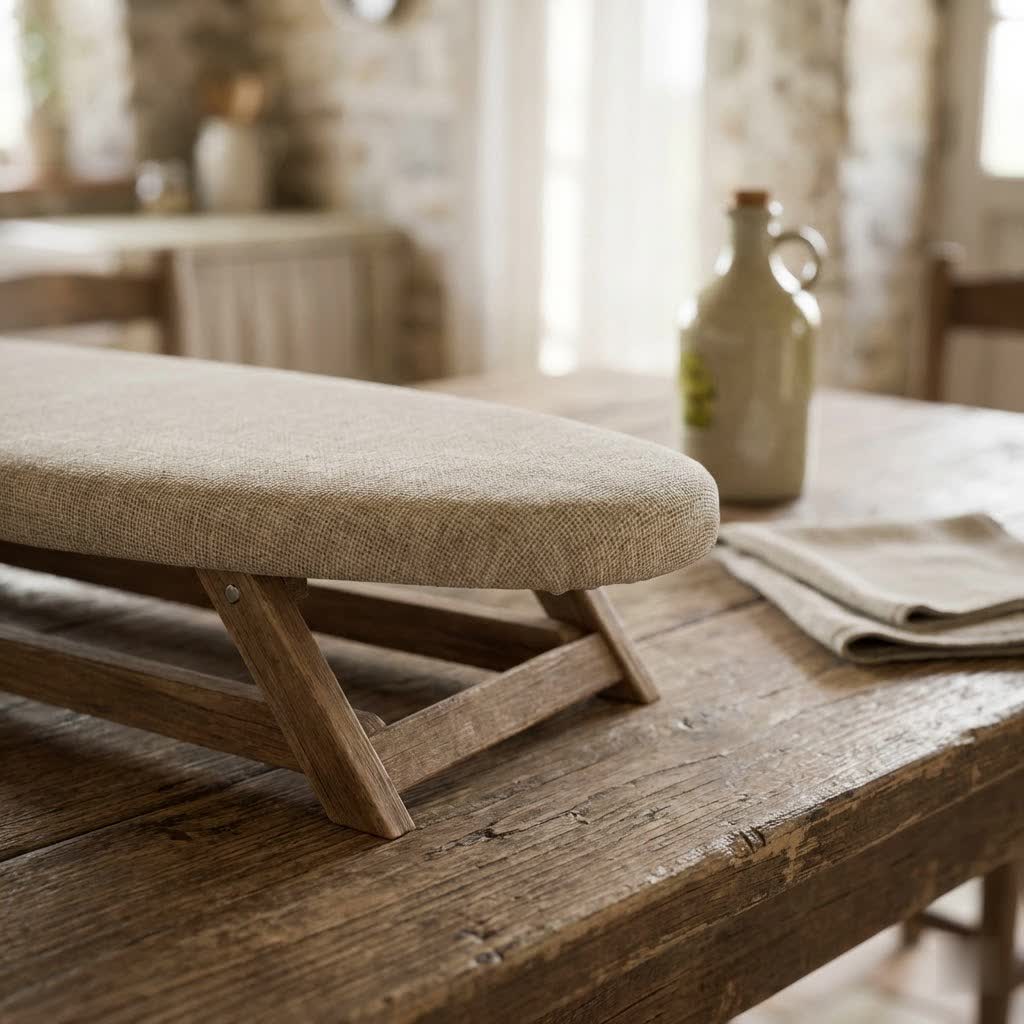
Do you dread ironing, or find yourself battling stubborn creases and inefficient sessions? The unsung hero of a smooth ironing experience isn’t just your iron; it’s the humble ironing board cover. Far more than a mere fabric layer, a high-quality ironing board cover can transform your chore into a breeze, protecting your garments, speeding up the process, and ensuring impeccably pressed clothes every time. This comprehensive guide will walk you through everything you need to know, from understanding different types and materials to choosing the perfect cover that meets your needs and lifestyle.
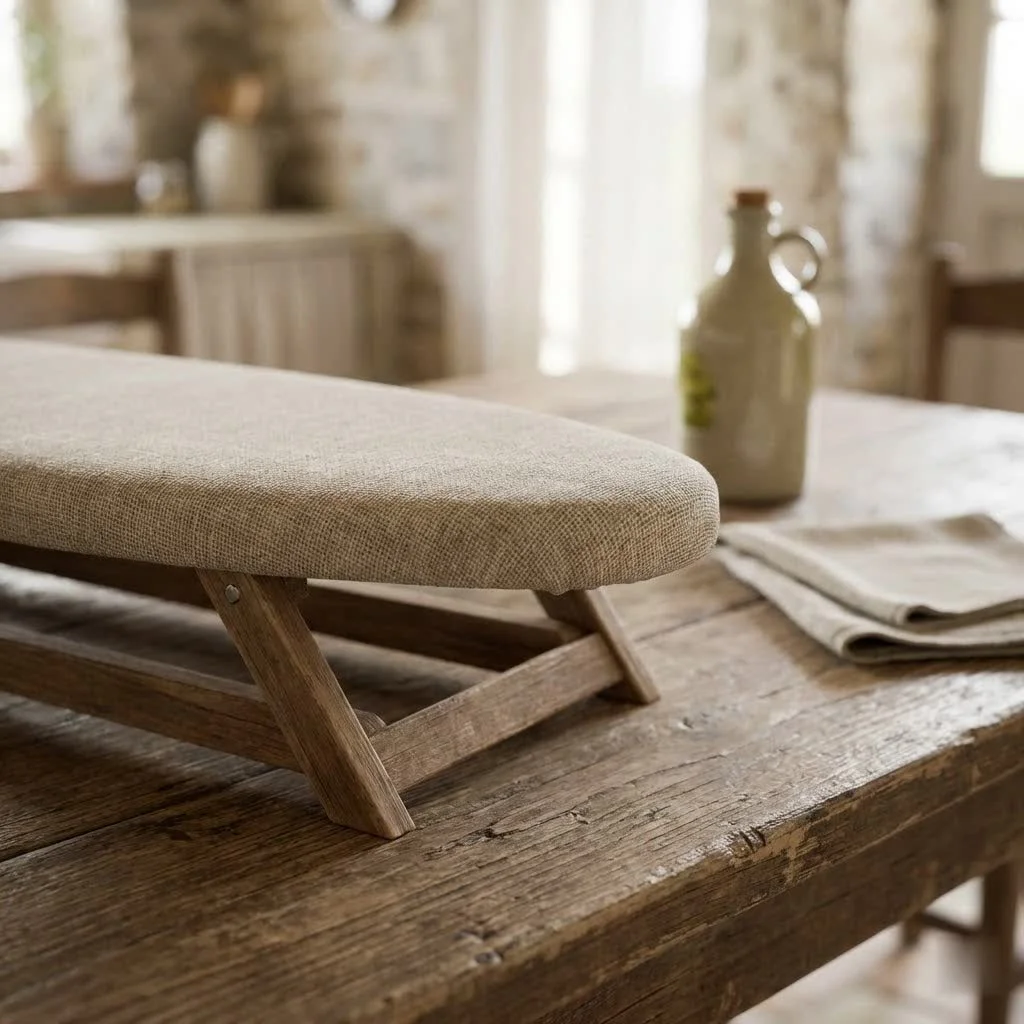
What is an Ironing Board Cover?
An ironing board cover is a protective and functional layer placed over the surface of an ironing board. Its primary purpose is to provide a smooth, heat-resistant, and padded surface for ironing clothes. Beyond simply covering the board, a well-designed cover facilitates the even distribution of heat, allows steam to penetrate fabrics effectively, and prevents garments from sticking or slipping. It shields the actual ironing board from heat damage, moisture, and staining, extending the life of your equipment while optimizing your ironing results.
Types of Ironing Board Covers
Ironing board covers come in various styles, each designed with specific features to enhance your ironing experience. Understanding these types can help you pinpoint the best fit for your needs.
Standard/Basic Cotton Covers
These are the most common and traditional types, often made from 100% cotton or a polycotton blend.
- Pros: They are breathable, relatively affordable, and provide a soft surface that’s gentle on most fabrics. Ideal for everyday use with light to medium-weight garments.
- Cons: They typically offer less heat reflection, which might mean longer ironing times for heavily wrinkled items. They also absorb heat, taking longer to cool down.
- Application: Perfect for general household ironing, especially for delicate fabrics like silk or lace where excessive heat reflection might be too intense.
Metallic/Heat-Reflective Covers
These covers feature a special coating, often made with silicone, aluminum, or woven metallic fibers (like copper).
- Pros: The primary advantage is their ability to reflect heat back into the garment. This effectively irons both sides of the fabric simultaneously, significantly speeding up the process and potentially reducing energy consumption. They also tend to be scorch-resistant.
- Cons: Some metallic covers may not be machine washable due to their construction, requiring wipe-down cleaning. The reflective surface can also feel different under the iron.
- Application: Highly recommended for frequent ironers, those dealing with stubborn creases in thicker fabrics like denim or linen, and anyone looking to cut down on ironing time.
Padded/Thick Covers
|
Our Picks for the Best Ironing Board in 2026
As an Amazon Associate I earn from qualifying purchases.
|
||
| Num | Product | Action |
|---|---|---|
| 1 | Metal Mesh Panel Tabletop Ironing Board - Foldable Iron Board - Heavy Duty Small Iron Board with Heat Resistant Cover and 100% Cotton 8mm Thicken Pad - 31.5"x11.8"x6.2" |

|
| 2 | Foldable Table Top Ironing Board with Iron Rest, Portable Ironing Board Small with Heat Resistant Cotton Cover, Mini Iron Board for Small Space and Travel, 31"x12", Black |
|
| 3 | Tabletop Ironing Board,Portable Iron Board with Iron Rest, Foldable Small Ironing Board with Heat Resistant Cover and 100% Cotton Pad, 31.5"x11.8"x7", Grey |
|
| 4 | APEXCHASER Ironing Board Small with Iron Holder, Tabletop Small Iron Board with 2 Heat Resistant Ironing Covers, Portable Tabletop Ironing Board with Non-Slip Feet for Home Travel Use |
|
| 5 | Amazon Basics Ironing Board Tabletop 77x29 cm, White, Floral |
|
| 6 | KINGBOARD Tabletop Ironing Board, Small Ironing Boards with Iron Rest, Folding Iron Board, Extra Thick Cover, Portable Tabletop Ironing Board with Non-Slip Feet, 30x12 Blue |
|
| 7 | Metal Foldable Tabletop Ironing Board with Iron Rest, Portable Ironing Board Small with Heat Resistant Cotton Cover, RAINHOL Mini Iron Board for Small Space and Travel, 31"x12", Gray |
|
| 8 | Full Size Ironing Board Made in USA – Beige by Seymour Home Products 4 Heavy-Duty Steel Legs Perforated Top for Steam Includes Cover & Pad Sturdy, Foldable Iron Board for Home & Laundry |
|
| 9 | Joseph Joseph Pocket Folding Tabletop Ironing Board with Iron Holder and wall mount, Compact Space-Saving , Grey/Yellow |
|
| 10 | Ironing Board Full Size 54x14, RAINHOL Heavy Duty Iron Board with Thick Padded Cover, Height Adjustable Ironing Boards with Smart Hanger, Heat-Resistant Silicone Pad Iron Rest |
|
These covers focus on providing superior cushioning. They often feature multiple layers of padding, such as felt, foam, or a combination.
- Pros: Thick padding creates a very smooth and firm ironing surface, preventing the metal mesh pattern of the board from imprinting on your clothes. It also offers excellent heat insulation and absorbs excess moisture.
- Cons: Can be bulkier than standard covers, and high-quality options might be more expensive.
- Application: Suitable for all types of ironing, especially beneficial for preventing marks on delicate fabrics or ensuring a pristine finish on tailored garments.
Specialty Covers
This category includes covers designed for specific tasks or enhanced features.
- Silicone-Coated Covers: Similar to metallic, they offer scorch resistance and a smooth glide, often requiring less steam.
- Non-slip Covers: Designed to keep garments firmly in place, invaluable for precision tasks like quilting, sewing, or intricate pressing.
- Gridded Covers: Feature printed grids or measurement lines, which are a favorite among crafters and sewers for precise cutting and pressing.
- Application: These covers cater to specialized needs, offering tailored solutions for hobbyists, professionals, or those seeking particular functional benefits.
Understanding Ironing Board Cover Materials
The material composition of an ironing board cover significantly impacts its performance, durability, and how effectively it aids your ironing.
- 100% Cotton: This natural fiber is a top choice for its breathability, heat resistance, and soft texture. High-quality cotton covers, particularly those with a crossweave or cotton drill (diagonal weave), are durable and hold up well under high heat without scorching. They allow steam to pass through effectively, making them ideal for delicate fabrics. However, cotton absorbs heat, meaning the board takes longer to cool down after use.
- Polycotton: A blend of polyester and cotton, polycotton covers offer a balance of affordability and functionality. They are generally easier to clean and somewhat more resistant to wrinkles than pure cotton. While they provide good value for money, they may not withstand extremely high temperatures as well as 100% cotton and can sometimes show signs of singeing over time.
- Metallic/Silicone/Teflon: These materials are often used as coatings or integrated into the top layer of a cover to enhance heat reflection and scorch resistance. Metallic and silicone surfaces dramatically speed up ironing by reflecting heat. Teflon coatings add stain, water, and heat resistance, creating a smooth surface that allows the iron to glide effortlessly. These are excellent for efficiency but may not be machine washable.
- Felt Padding: Often used as an underlayer, felt provides excellent cushioning and insulation. It is a durable material that maintains its shape better than foam over time, preventing the impression of the board’s mesh on your clothes. A thick felt layer is a hallmark of a high-quality cover.
- Foam Padding: A common and economical padding choice, foam provides cushioning but can compress and lose its shape relatively quickly with frequent use, leading to an uneven ironing surface.
- Wool: While not typically used for the outer cover, wool pressing mats or thick wool blankets are often placed as an additional underlayer. Wool excels at retaining heat, effectively ironing the underside of fabrics simultaneously and helping to set creases for a crisp finish.
Buying Guide: How to Choose the Perfect Ironing Board Cover
Selecting the right ironing board cover involves considering several key factors to ensure it meets your specific needs and enhances your ironing routine.
Material Composition
Prioritize covers made from 100% cotton for its natural breathability and heat resistance, especially if you iron delicate garments. For improved efficiency and faster ironing, look for covers with a metallic or silicone-coated surface, which reflects heat. Some covers cleverly combine cotton with a reflective underside for the best of both worlds.
Padding Thickness & Type
Adequate padding is crucial. Seek covers with multi-layered padding, ideally featuring felt rather than just foam. Felt is more durable and less prone to flattening. A padding thickness of at least 5-7mm is recommended to provide a smooth, resilient surface and prevent the board’s mesh pattern from transferring to your clothes. If a cover you love is too thin, consider adding an extra felt pad or even a wool blanket underneath.
Size and Fit
This is perhaps the most critical factor. Ironing boards are not universal, so measure your board accurately before purchasing a cover. Note its length, width, and any unique shapes. A cover that fits snugly without slipping or bunching is essential for efficient ironing. Look for secure attachment mechanisms such as adjustable drawstrings with locking clips, strong elastic edges, or steel fasteners. A poor fit can lead to frustration and uneven results.
Durability & Construction
Examine the quality of the cover’s construction. Reinforced or double-stitched edges indicate better durability and prevent fraying. High-quality materials, whether cotton, metallic, or a blend, should feel robust and capable of withstanding consistent heat and steam. Investing in a well-constructed cover will save you money and hassle in the long run.
Features
Consider additional features that might benefit you:
- Scorch Resistance: Essential for protecting both your cover and garments.
- Non-slip Surface: Great for precision ironing, especially for sewing projects, keeping fabrics stable.
- Steam Permeability: The cover should allow steam to pass through effectively without trapping moisture, preventing damp spots on your clothes.
- Easy Maintenance: Check if the cover is machine washable or easy to wipe clean, which is important for hygiene and maintaining appearance.
Brand Reputation & Price
While balancing quality with budget, reputable brands often provide covers with superior design, materials, and longevity. Read reviews and compare features across different price points. A slightly higher initial investment can pay off with improved performance and extended lifespan.
Top Ironing Board Covers on the Market
Choosing the right ironing board cover can significantly impact your laundry routine. Here are a few highly-regarded options known for their performance and durability:
- Vileda Total Reflect Plus: This cover is often praised for its double-layered construction and heat-reflective surface, which effectively speeds up ironing by returning heat to the garment. It features a foam underlay and a simple drawstring with a locking clip for a secure fit, though it’s typically wipe-clean only due to its foil lining.
- Gorilla Grip Standard Width Ironing Board Cover: Renowned for its durability and excellent design, the Gorilla Grip cover often includes a silicone coating for scorch resistance and elastic edges with a hook-and-loop fastener for a snug fit. Its heavy-duty padding ensures a smooth, stable surface, making it a reliable choice for frequent ironers.
- Epica Silver Silicone Ironing Board Cover: A popular budget-friendly option, Epica’s cover features a silver silicone surface specifically designed to reflect heat, allowing for faster ironing with less steam. It’s a good choice for those looking for improved efficiency without a hefty price tag.
- Minky Ergo Replacement Ironing Board Cover: This cover frequently earns high marks for its heat efficiency, snug fit, and innovative Prozone Technology. It’s designed to make ironing more comfortable and effective, offering great value for its performance.
- Bartelli Ironing Board Cover and Pad: Made with 100% cotton, this cover boasts natural durability and breathability. It’s often highlighted for its scorch-resistant surface and thick cushioned padding, providing a premium, smooth ironing experience. Some versions also feature a “Park and Turbo Zone” for added convenience.
These covers represent a range of features and price points, catering to different ironing needs and preferences.
Tips for Using and Maintaining Your Ironing Board Cover
To maximize the life and performance of your ironing board cover, proper usage and maintenance are key.
Proper Installation
Ensure your cover is installed snugly and smoothly, free of wrinkles or bunching. A loose cover can shift during ironing, creating new creases on your garments and an unstable surface. Utilize drawstrings, elastic edges, or clips to secure it firmly to the board. Take a few moments to adjust it evenly for optimal results.
Cleaning & Care
Follow the manufacturer’s cleaning instructions carefully. Many standard cotton or polycotton covers are machine washable, making maintenance easy. However, metallic or silicone-coated covers often require wiping down with a damp cloth due to their specialized layers. Avoid harsh chemicals or abrasive cleaners that could damage the surface or reflective properties. Regular cleaning prevents starch buildup and keeps your ironing surface pristine.
When to Replace
An ironing board cover typically needs replacing every couple of years, depending on usage. Look for signs of wear such as:
- Thinness or compressed padding: If you can feel the metal mesh of your board through the cover, it’s time for a replacement or an additional pad.
- Scorching or stains: Significant discoloration or burn marks indicate reduced effectiveness and potential damage to garments.
- Loss of elasticity or a poor fit: If the cover no longer stays taut and smooth, it won’t provide an optimal ironing surface.
Enhancing Performance
If your current cover is still in decent condition but lacks padding, you can often add extra cushioning. A layer of heavy felt, an old wool blanket, or even a couple of layers of thick cotton fabric can be placed between your board and the cover to improve stability and provide a smoother surface. This can significantly upgrade your ironing experience without needing a full cover replacement.
Conclusion
A high-quality ironing board cover is an indispensable tool for achieving perfectly pressed clothes and making the ironing process more enjoyable. By understanding the different types, materials, and essential features, you can make an informed choice that meets your specific needs. Investing in a durable, well-fitting cover with appropriate padding and heat-reflective properties will not only protect your garments and your ironing board but also streamline your laundry routine, ensuring crisp, wrinkle-free results every time. So, why settle for less when a superior ironing experience is just a cover away?
Frequently Asked Questions
How often should I replace my ironing board cover?
Generally, an ironing board cover should be replaced every 1-3 years, depending on how frequently you iron. Signs like flattened padding, visible scorching, or a loose fit indicate it’s time for a new one.
Can I wash my ironing board cover?
It depends on the material. Many cotton or polycotton covers are machine washable, but always check the care label. Metallic or silicone-coated covers are often spot-clean only with a damp cloth to preserve their specialized properties.
What is a metallic ironing board cover?
A metallic ironing board cover has a surface woven with metallic fibers or coated with materials like silicone or aluminum. This feature reflects heat back into your garments, effectively ironing both sides simultaneously and speeding up the process.
Do ironing board covers come in different sizes?
Yes, ironing board covers come in various sizes and shapes to fit standard, extra-wide, and specialized ironing boards. It’s crucial to measure your ironing board’s length and width before purchasing to ensure a snug and effective fit.
Is felt or foam padding better for an ironing board cover?
Felt padding is generally considered superior to foam. Felt is more durable, retains its shape better over time, and provides a firmer, smoother ironing surface, which helps prevent mesh marks from the board on your clothes. Foam can compress and degrade more quickly.
Get our weekly buyer guide
Practical specs, not advice. Unsubscribe anytime.
