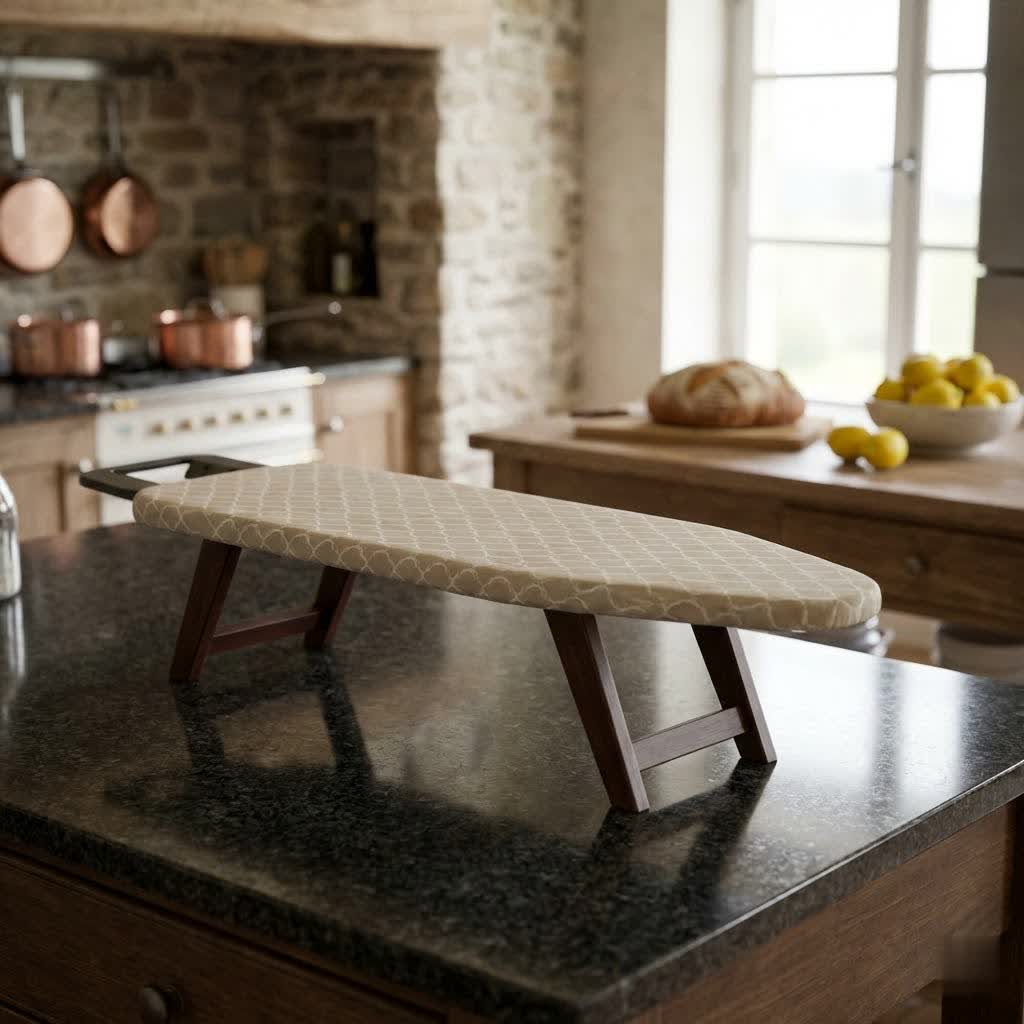
In our increasingly compact living spaces, small ironing boards have become a true game-changer, offering convenience without sacrificing the crisp finish we all desire. Yet, the unsung hero of this compact ironing setup is often overlooked: the ironing board cover. This seemingly simple accessory plays a pivotal role in transforming a quick chore into an effortless task. A well-chosen cover ensures optimal heat distribution, protects delicate fabrics, and can even cut down your ironing time significantly. Without the right cover, you might find yourself battling stubborn wrinkles, scorch marks, or a shifting surface, turning a simple press into a frustrating ordeal.
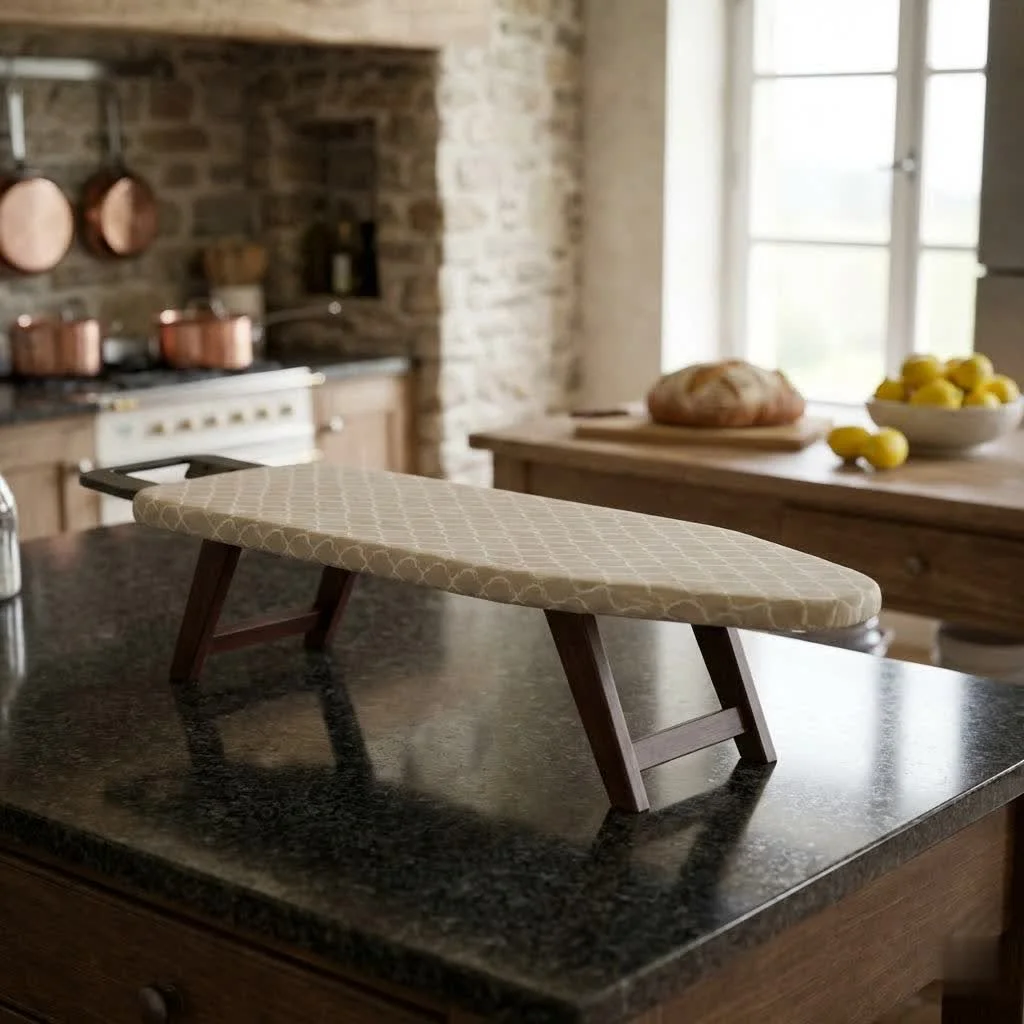
What is an Ironing Board Cover for Small Boards?
An ironing board cover is more than just a decorative fabric layer; it’s an essential functional component designed to provide an optimal surface for ironing. For small boards—whether tabletop, mini, or sleeve types—these covers are specifically tailored to fit their unique dimensions, ensuring a smooth, taut surface crucial for effective wrinkle removal. Unlike standard-sized covers, those for small boards are crafted to accommodate limited space, making them ideal for apartments, dorms, travel, or quick touch-ups.
These specialized covers offer several benefits. They protect the underlying board from heat and moisture, prevent clothes from sticking or slipping, and often incorporate features that enhance ironing efficiency, such as heat reflection. Over time, a board’s original cover can wear out, become stained, or lose its padding, making a replacement not just a cosmetic upgrade but a necessity for maintaining effective ironing performance.
Exploring Types of Small Ironing Board Covers
Small ironing boards come in various forms, each requiring a cover designed for its specific use. Understanding the different types available, both by board configuration and material, is key to selecting the perfect one.
By Board Type
- Tabletop Ironing Board Covers: These are the most common for small spaces, fitting portable boards that sit on a table or counter. They come in various compact sizes, often ranging from approximately 30″ x 12″ to 42″ x 12.5″, and some even smaller at 12″ x 30″ or 13″ x 36″.
- Sleeve Ironing Board Covers: Designed for the slender, often tapered boards used for sleeves, pant legs, and intricate garment areas. These are typically quite small, around 23″ x 7″ for example, offering precision for difficult-to-reach spots.
- Mini/Travel Ironing Board Covers: These are for ultra-compact or foldable boards, perfect for travelers, crafters, or those with minimal storage space. They prioritize portability and ease of storage.
By Material and Features
|
Our Picks for the Best Ironing Board in 2026
As an Amazon Associate I earn from qualifying purchases.
|
||
| Num | Product | Action |
|---|---|---|
| 1 | Joseph Joseph Pocket Folding Tabletop Ironing Board with Iron Holder and wall mount, Compact Space-Saving , Grey/Yellow |

|
| 2 | Ironing Board Full Size 54x14, RAINHOL Heavy Duty Iron Board with Thick Padded Cover, Height Adjustable Ironing Boards with Smart Hanger, Heat-Resistant Silicone Pad Iron Rest |
|
| 3 | Metal Foldable Tabletop Ironing Board with Iron Rest, Portable Ironing Board Small with Heat Resistant Cotton Cover, RAINHOL Mini Iron Board for Small Space and Travel, 31"x12", Gray |
|
| 4 | Amazon Basics Ironing Board Tabletop 77x29 cm, White, Floral |
|
| 5 | KINGBOARD Tabletop Ironing Board, Small Ironing Boards with Iron Rest, Folding Iron Board, Extra Thick Cover, Portable Tabletop Ironing Board with Non-Slip Feet, 30x12 Blue |
|
| 6 | Metal Mesh Panel Tabletop Ironing Board - Foldable Iron Board - Heavy Duty Small Iron Board with Heat Resistant Cover and 100% Cotton 8mm Thicken Pad - 31.5"x11.8"x6.2" |
|
| 7 | Tabletop Ironing Board,Portable Iron Board with Iron Rest, Foldable Small Ironing Board with Heat Resistant Cover and 100% Cotton Pad, 31.5"x11.8"x7", Grey |
|
| 8 | APEXCHASER Ironing Board Small with Iron Holder, Tabletop Small Iron Board with 2 Heat Resistant Ironing Covers, Portable Tabletop Ironing Board with Non-Slip Feet for Home Travel Use |
|
| 9 | Foldable Table Top Ironing Board with Iron Rest, Portable Ironing Board Small with Heat Resistant Cotton Cover, Mini Iron Board for Small Space and Travel, 31"x12", Black |
|
| 10 | Full Size Ironing Board Made in USA – Beige by Seymour Home Products 4 Heavy-Duty Steel Legs Perforated Top for Steam Includes Cover & Pad Sturdy, Foldable Iron Board for Home & Laundry |
|
The material and integrated features of an ironing board cover significantly impact its performance:
- 100% Cotton and Polycotton Blends: Natural cotton covers are favored for their breathability, softness, and ability to absorb moisture effectively, preventing clothes from slipping. They are ideal for everyday ironing and delicate fabrics, offering good heat resistance. Polycotton blends provide a good balance of durability and value, suitable for lightweight items.
- Metallic or Silicone-Coated Covers: These covers are engineered with a special reflective surface that bounces heat back into the garment. This heat-reflective property can dramatically speed up ironing by effectively ironing both sides of the fabric simultaneously. They are typically scorch-resistant and stain-resistant, offering enhanced durability and often requiring less steam.
- Teflon-Coated Covers: Similar to metallic finishes, Teflon coatings provide a smooth, non-stick surface that is highly resistant to heat, water, and stains. They are also heat-reflective, contributing to faster ironing and easier maintenance.
- Padded Covers (Felt vs. Foam): Adequate padding is critical for a smooth ironing experience and to prevent the mesh pattern of the board from transferring onto garments.
- Felt padding is highly recommended for its durability and ability to maintain its shape over time, providing a firm, resilient surface.
- Foam padding, while common, can compress and lose its effectiveness more quickly.
- Look for padding that is typically between 4mm and 8mm thick for optimal protection and comfort.
- Scorch and Stain Resistant: A key feature for longevity, these covers are designed to withstand high temperatures and prevent unsightly marks from accidental iron contact or spills.
- Non-Slip Surfaces: Some covers offer extra grip to keep fabrics, especially delicate items or quilting projects, securely in place during ironing.
- Elastane Stretch Covers: Featuring spandex fibers, these covers offer a snug, wrinkle-free fit, preventing bunching and slipping.
Comparison Table: Popular Cover Materials for Small Boards
Choosing the right material for your small ironing board cover can significantly impact your ironing efficiency and garment care. Here’s a brief comparison:
| Feature / Material | 100% Cotton | Metallic/Silicone-Coated | Teflon-Coated |
|---|---|---|---|
| Heat Reflection | Low | High | High |
| Scorch Resistance | Medium | High | High |
| Durability | Good | Very Good | Very Good |
| Padding (typically combined) | Often with felt/foam | Often with felt/foam | Often with felt/foam |
| Grip (Non-slip) | Good (natural texture) | Varies (can be slick) | Varies (can be slick) |
| Ease of Cleaning | Can show stains | Good | Very Good |
| Best For | Everyday, delicate fabrics | Fast ironing, frequent use | High heat, easy maintenance |
Your Buying Guide: Selecting the Perfect Small Ironing Board Cover
Finding the ideal cover for your small ironing board requires careful consideration of several factors. A perfect match ensures not only efficiency but also the longevity of your board and garments.
Measure Your Board Accurately
This is the most crucial step. Ironing board sizes are not universal, and “small” can vary significantly.
- Length: Measure from the very tip to the widest end of your board (excluding any iron rests).
- Width: Measure across the widest point of the board.
- Thickness: While not always directly listed for covers, knowing your board’s depth helps visualize padding needs.
Always aim for a cover that matches your measurements or is slightly larger. A slightly larger cover can be pulled taut, while one that’s too small will never fit correctly, leading to wrinkles and an unstable ironing surface.
Material Selection: Match to Your Ironing Habits
Your choice of material should align with how often you iron and the types of fabrics you handle:
- For Everyday Use & Delicates: Opt for 100% cotton or a high-quality polycotton blend. These are breathable, offer good grip, and are gentle on fabrics like silk and lace.
- For Speed & Stubborn Wrinkles: A metallic, silicone-coated, or Teflon-coated cover is an excellent choice. Their heat-reflective properties can cut down ironing time, making them ideal for denim, linen, or large batches of laundry.
- For Crafting & Quilting: A non-slip cotton cover will help keep your projects in place, ensuring precise seams and wrinkle-free results.
Don’t Overlook Padding
The padding underneath your cover provides a cushioned surface that protects your garments from the board’s metal mesh and helps your iron glide smoothly.
- Felt Padding: Superior to foam, felt maintains its shape, offers a firmer surface, and is more durable.
- Thickness: Aim for a padding thickness of 4mm to 8mm to ensure adequate cushioning and prevent mesh marks on your clothes. If your chosen cover has thin padding, you can often add an extra felt underlay.
Ensure a Secure Fit
A cover that shifts or bunches can be a safety hazard and creates new wrinkles. Look for attachment mechanisms that promise a snug fit:
- Elasticized Edges: Common and easy to install, providing a flexible fit.
- Drawstrings: Allow for tightening the cover to achieve a custom, taut fit.
- Hook and Loop Fastener Straps (Velcro): These straps, often located on the underside, provide additional security, pulling the cover tight against the board.
- Gripper Strips/Clips: Some covers come with clips to further secure the edges.
Consider Additional Features
- Scorch and Stain Resistance: These properties enhance the cover’s longevity and keep it looking cleaner for longer.
- Heat Ventilation: Ensure your ironing board itself has a steel mesh surface, allowing steam to pass through the cover efficiently and preventing moisture buildup.
- Aesthetics: While not functional, a cover with a pleasant design or color can make ironing a more enjoyable task.
Brand and Price
Reputable brands often offer better quality and durability. While price shouldn’t be the only determinant, investing in a slightly more expensive, well-made cover can save you money and frustration in the long run.
Top Picks for Small Ironing Board Covers
While specific product availability can vary, several types and brands consistently offer excellent solutions for compact ironing needs. When searching, look for features commonly found in highly-rated covers for small boards:
- Household Essentials Stow Away Tabletop Ironing Board Covers: These often come in versatile sizes like 42″ x 12.5″ with 100% cotton, multi-colored or natural covers, providing a reliable surface for tabletop ironing.
- Dritz Cotton Table Top Ironing Board Covers: For truly mini boards, options around 12.5″ x 9.5″ in cotton are popular among crafters and for very small garment touch-ups.
- Westex Compact Ironing Board Covers: Designed specifically for compact boards, often around 13″ x 36″. Look for triple-layer constructions with heat-resistant, stain-resistant, and extra-grip qualities for enhanced performance.
- Heat-Reflective Tabletop Covers: Brands like Epica or those with silicone coatings offer covers that reflect heat for faster ironing, ideal for those who iron frequently and want to maximize efficiency.
- Heavy-Duty Padded Covers: Seek out covers that explicitly mention extra-thick padding (4-8mm, preferably felt) to ensure maximum protection for your garments and the board itself.
Always check product descriptions for precise dimensions and material specifications to ensure compatibility with your specific small ironing board.
Tips for Using and Maintaining Your Small Ironing Board Cover
Proper use and care can extend the life of your ironing board cover and ensure a consistently smooth ironing experience.
Proper Installation for a Wrinkle-Free Surface
- Stretch and Secure: When installing a new cover, stretch it tautly across the board from all sides. Ensure any elastic, drawstrings, or straps are pulled tight and secured underneath. A loose cover will wrinkle, creating an uneven surface that can imprint creases onto your clothes.
- Smooth Out Wrinkles: Before you even turn on your iron, run your hand over the cover to ensure there are no wrinkles or bunched areas. For stubborn cover wrinkles, a light mist of water and a quick press with a warm iron can smooth them out.
Cleaning and Care
- Read Care Labels: Always check the manufacturer’s care instructions. Many cotton or polycotton covers are machine washable, but some specialty covers (e.g., metallic or Teflon-coated) may require spot cleaning or a gentler hand wash to preserve their unique properties.
- Regular Cleaning: Over time, starch, sizing, and dirt from garments can accumulate on the cover, potentially transferring to clean clothes. Wipe down metallic or silicone covers with a damp cloth after use. For fabric covers, periodic washing will keep them fresh and performing optimally.
- Avoid Harsh Chemicals: Strong detergents or bleach can damage the fabric and coatings of some covers. Opt for mild soaps if cleaning by hand.
Knowing When to Replace
Even the best covers don’t last forever. Replace your ironing board cover when you notice:
- Scorch Marks or Stains: These can transfer to clean clothes.
- Thinning or Damaged Padding: If you can feel the mesh of the board through the cover, or if the padding is lumpy, it’s time for a new one. Inadequate padding can lead to uneven ironing and damage to your garments.
- Loose or Stretched Fit: If the cover no longer stays taut despite adjusting, it’s compromised its effectiveness.
- Frayed Edges or Tears: These can snag fabrics and make ironing difficult.
Conclusion
A high-quality ironing board cover for your small board is a small investment that yields significant returns in efficiency, garment care, and overall ironing satisfaction. By focusing on the right fit, understanding material properties, and maintaining your cover diligently, you ensure a smoother, faster, and more effective ironing experience, even in the most compact spaces. Don’t let a worn-out or ill-fitting cover diminish the pleasure of perfectly pressed clothes.
What kind of fabrics do you iron most frequently, and how might that influence your ideal ironing board cover choice?
Frequently Asked Questions
How often should I replace my ironing board cover?
The lifespan of an ironing board cover depends on usage frequency, material quality, and care. Generally, for regular use, replacing it every 1-3 years is advisable, or sooner if you notice significant scorching, thinning padding, or a loose fit.
Can I use a standard ironing board cover on a small board?
It is generally not recommended. Standard covers are too large and will result in excessive fabric bunching and an uneven ironing surface. This can lead to new wrinkles, ineffective pressing, and potential hazards from the loose material. Always measure your small board and choose a cover specifically designed to fit its dimensions.
What’s the best type of padding for a small ironing board cover?
Felt padding is typically considered superior to foam. Felt is more durable, maintains its shape better over time, and provides a firmer, more consistent ironing surface. Look for a thickness of 4mm to 8mm to ensure adequate cushioning and prevent the board’s mesh from imprinting on your clothes.
How do I clean my ironing board cover?
Always check the care label first. Many cotton or polycotton covers can be machine washed on a gentle cycle with mild detergent. Metallic or specialty coated covers may require only spot cleaning with a damp cloth and mild soap to preserve their reflective or protective properties. Ensure the cover is completely dry before re-installing.
Get our weekly buyer guide
Practical specs, not advice. Unsubscribe anytime.
