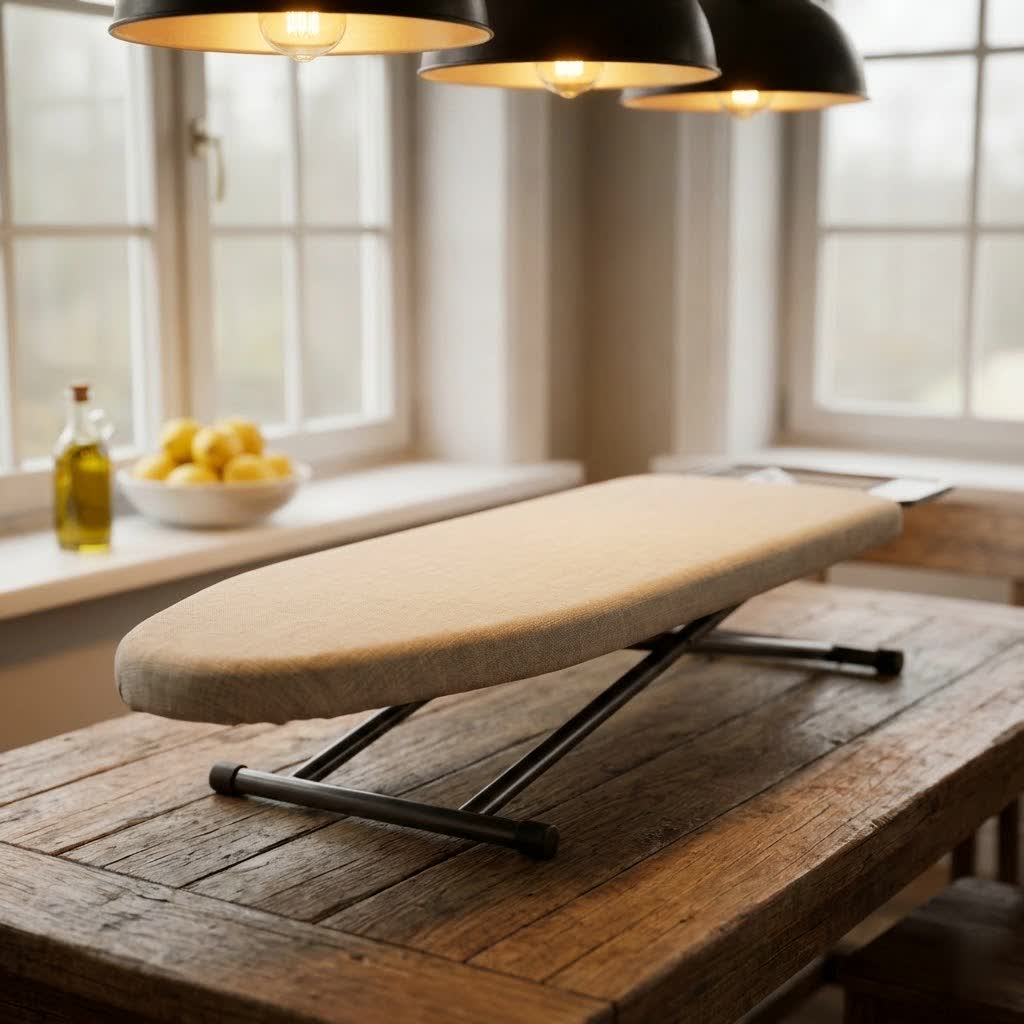
Tackling a mountain of wrinkled clothes can feel like an endless chore, but what if a simple upgrade could improve your ironing experience? The unsung hero of laundry day isn’t just your iron; it’s the humble ironing board cover. Often overlooked, the right ironing board cloth can drastically improve efficiency, protect your garments, and even make the task more enjoyable. This comprehensive guide will examine everything you need to know about choosing, using, and maintaining the perfect ironing board cover to achieve flawlessly smooth results every time.
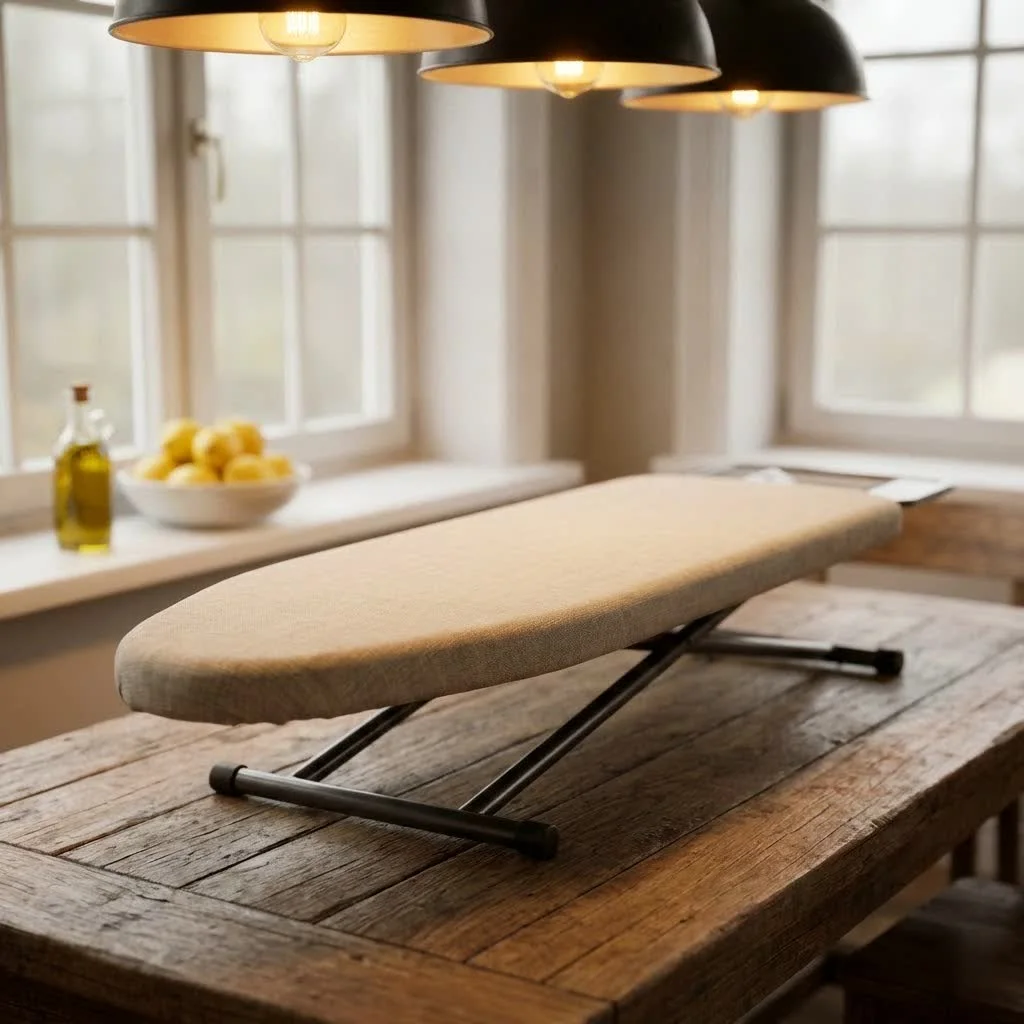
What is an Ironing Board Cover?
At its core, an ironing board cover is a protective layer designed to fit over your ironing board’s surface. Its primary purpose is to provide a smooth, heat-resistant, and sometimes reflective surface that allows your iron to glide effortlessly, removing creases more effectively. Beyond aesthetics, it acts as a crucial barrier, safeguarding both your clothes from the board’s metal mesh and the board itself from direct heat and steam damage. Historically, basic cloths were used, evolving over time into sophisticated multi-layered designs engineered for optimal heat distribution and steam management, making ironing a far less daunting task than it once was.
Types of Ironing Board Covers
The market offers a diverse range of ironing board covers, each crafted from different materials and designed with specific benefits in mind. Understanding these types is the first step to finding your ideal match.
Cotton Covers
Made from 100% cotton or polycotton blends, these covers are a traditional and popular choice.
- Advantages: Cotton is naturally soft, breathable, and highly absorbent, allowing steam to pass through evenly. This makes them excellent for delicate fabrics, preventing scorching and ensuring a smooth glide. Pure cotton covers also tend to keep garments stable on the board, preventing slipping.
- Disadvantages: While durable, 100% cotton might take longer to cool down and can show scorch marks over time if not properly cared for. Polycotton blends offer value but may not withstand high heat as effectively as pure cotton.
- Applications: Ideal for everyday ironing, especially for natural fibers like linen, cotton shirts, and delicate garments that require careful handling.
Reflective/Metallic Covers
These covers feature special coatings, often made with aluminum, silicone, or a Teflon finish, designed to reflect heat.
- Advantages: The heat-reflective surface essentially allows you to iron from both sides simultaneously, significantly speeding up the ironing process and saving energy. They are often scorch and stain-resistant and provide a smooth surface for the iron to glide.
- Disadvantages: The slippery nature of some metallic or silicone surfaces can make it challenging to keep clothes in place. They are generally not recommended for very delicate fabrics as the intense reflected heat can be too harsh. Many are wipe-clean only and not machine washable.
- Applications: Best for users looking for maximum efficiency, quick ironing sessions, and for handling thicker, less delicate fabrics that require high heat.
Padded Covers
|
Our Picks for the Best Ironing Board in 2026
As an Amazon Associate I earn from qualifying purchases.
|
||
| Num | Product | Action |
|---|---|---|
| 1 | APEXCHASER Ironing Board Small with Iron Holder, Tabletop Small Iron Board with 2 Heat Resistant Ironing Covers, Portable Tabletop Ironing Board with Non-Slip Feet for Home Travel Use |

|
| 2 | Metal Mesh Panel Tabletop Ironing Board - Foldable Iron Board - Heavy Duty Small Iron Board with Heat Resistant Cover and 100% Cotton 8mm Thicken Pad - 31.5"x11.8"x6.2" |
|
| 3 | Metal Foldable Tabletop Ironing Board with Iron Rest, Portable Ironing Board Small with Heat Resistant Cotton Cover, RAINHOL Mini Iron Board for Small Space and Travel, 31"x12", Gray |
|
| 4 | Ironing Board Full Size 54x14, RAINHOL Heavy Duty Iron Board with Thick Padded Cover, Height Adjustable Ironing Boards with Smart Hanger, Heat-Resistant Silicone Pad Iron Rest |
|
| 5 | Full Size Ironing Board Made in USA – Beige by Seymour Home Products 4 Heavy-Duty Steel Legs Perforated Top for Steam Includes Cover & Pad Sturdy, Foldable Iron Board for Home & Laundry |
|
| 6 | Tabletop Ironing Board,Portable Iron Board with Iron Rest, Foldable Small Ironing Board with Heat Resistant Cover and 100% Cotton Pad, 31.5"x11.8"x7", Grey |
|
| 7 | Foldable Table Top Ironing Board with Iron Rest, Portable Ironing Board Small with Heat Resistant Cotton Cover, Mini Iron Board for Small Space and Travel, 31"x12", Black |
|
| 8 | Amazon Basics Ironing Board Tabletop 77x29 cm, White, Floral |
|
| 9 | Joseph Joseph Pocket Folding Tabletop Ironing Board with Iron Holder and wall mount, Compact Space-Saving , Grey/Yellow |
|
| 10 | KINGBOARD Tabletop Ironing Board, Small Ironing Boards with Iron Rest, Folding Iron Board, Extra Thick Cover, Portable Tabletop Ironing Board with Non-Slip Feet, 30x12 Blue |
|
Padding is a critical component of many high-quality ironing board covers, often sold as an integrated part of the cover or as a separate underlay.
- Advantages: A thick, resilient layer of padding (typically foam, felt, or natural wool batting) provides a soft cushion that prevents the mesh pattern of the ironing board from transferring onto your clothes. It also absorbs excess steam, ensuring a dry, crisp finish, and offers better support for working around buttons and seams. Felt is generally preferred for its durability and shape retention compared to foam.
- Disadvantages: Inadequate or worn-out padding can lead to frustrating grid marks and an uneven ironing surface. Polyester batting should be avoided as it can melt under high heat.
- Applications: Essential for all types of ironing, especially for achieving wrinkle-free results on large items like tablecloths and bedding, and for preventing marks on garments.
Specialty Covers
Some covers are designed with additional features for specific needs.
- Scorch-Resistant Covers: Built with materials that can withstand very high temperatures, offering enhanced protection against accidental burns and ensuring longevity.
- Steam Control Covers: Innovations like “SteamControl” or “PerfectFlow” covers are engineered to manage steam condensation, absorbing excess moisture while allowing enough to pass through for effective wrinkle removal, preventing water drips and puddles.
- Fleece Covers: Touted for their convenience, durability, and resistance to stretching and shrinking, fleece provides a soft, comfortable ironing surface that offers good protection against scorching.
Comparison Table of Ironing Board Cover Types
| Feature | Cotton Covers | Reflective/Metallic Covers | Padded Covers (as main feature) |
|---|---|---|---|
| Stability | High (non-slip) | Medium (can be slippery) | High (provides firm base) |
| Efficiency | Standard | High (reflects heat) | High (smooth glide, even heat) |
| Delicate Fabrics | Excellent | Not recommended | Excellent |
| Durability | Good | Good (scorch/stain resistant) | Excellent (felt/wool) |
| Maintenance | Machine washable | Wipe clean only | Varies (often machine washable if fabric, underlays wiped) |
| Key Benefit | Gentle, breathable ironing | Faster ironing, energy saving | Prevents marks, smooth finish |
Choosing the Right Ironing Board Cover (Buying Guide)
Selecting the best ironing board cloth involves considering several factors to match your ironing habits and preferences.
- Material Composition: Prioritize 100% cotton for breathability and a natural feel, especially if you iron delicate items frequently. For speed and efficiency, a metallic or silicone-coated cover can be a major upgrade. Avoid low-quality synthetic blends for heavy use as they may not endure high heat.
- Padding Thickness: A robust padding layer is non-negotiable. Look for covers with at least 5-7mm of foam, felt, or wool batting. Thick padding ensures a cushioned surface, prevents grid marks, and absorbs steam effectively. Felt linings are often more durable and maintain shape better than foam. You can also purchase separate padding to add to your existing cover.
- Fit and Attachment Mechanism: An ill-fitting cover can cause frustration and create new wrinkles. Measure your ironing board precisely. Choose covers with secure attachment methods like adjustable drawstrings, strong elastic edges, or steel clips to ensure a snug, non-slip fit that stays put during use.
- Special Features: Consider scorch-resistant properties for peace of mind, especially if you use high heat settings. If you frequently use steam, covers designed for enhanced steam permeability or condensation management can improve your results and keep your ironing area dry.
- Ease of Cleaning: Think about how you prefer to maintain your cover. Many cotton covers are machine washable, offering easy hygiene. Reflective and silicone covers, however, usually require simple wiping with a damp cloth, as machine washing can damage their special coatings.
- Brand Reputation: While the request avoids specific product recommendations, research reputable brands known for quality ironing accessories. Brands that focus on durable materials and innovative features often provide a better long-term investment.
Top Ironing Board Covers for Enhanced Ironing
While specific product names are subject to change, certain characteristics consistently define top-performing ironing board covers. Look for options that combine a durable, heat-resistant surface with substantial padding. Many highly-rated covers feature a layered construction, with a smooth, scorch-resistant top layer over a thick felt or foam pad, ensuring a pristine ironing surface. Reflective technologies, which bounce heat back into your garments for faster crease removal, are another popular attribute in top-tier covers. Covers with a secure, adjustable fit – featuring elasticized edges or drawstrings – are often favored for their stability and ease of use, preventing frustrating slips and bunching during ironing.
Tips for Using and Maintaining Your Ironing Board Cover
A well-maintained ironing board cover will last longer and provide superior results.
- Proper Installation: Always ensure your cover is pulled taut and securely fastened to the board. A loose cover can wrinkle, transferring unwanted creases to your clothes.
- Heat Management: Even with scorch-resistant covers, avoid leaving a hot iron stationary on the cover for extended periods to prevent damage and prolong its lifespan.
- Cleaning Routine:
- Cotton Covers: Most 100% cotton covers can be machine washed on a gentle cycle with mild detergent. Remove them while slightly damp, place them back on the board to dry, and consider spraying with starch for a crisp finish.
- Reflective/Metallic/Silicone Covers: These are typically not machine washable. Wipe them clean with a damp sponge and a mild cleaning solution. Follow up by wiping with a dry cloth or using a dry iron to remove any lingering moisture.
- Padding Check: Regularly inspect the padding beneath your cover. If it becomes thin, lumpy, or shows signs of disintegration, it’s time to replace it or add an extra layer of batting to maintain a smooth, even ironing surface.
- When to Replace: Beyond general wear and tear, replace your ironing board cover if it’s heavily stained, consistently leaving marks on your clothes, or if the special coatings (like reflective properties) have worn off, reducing its efficiency. A good rule of thumb is to replace it every 1-3 years depending on usage.
“Many people underestimate the impact of a quality ironing board cover. It’s not just a decorative piece; it’s a functional tool that significantly influences the final result and your overall ironing experience.” – Admin, ReviewPlusss.com
Conclusion
The journey to perfectly pressed garments begins not just with a good iron, but with the right ironing board cover. By understanding the different materials, the importance of proper padding, and the benefits of a secure fit, you can make an informed choice that elevates your entire ironing routine. Investing in a high-quality, well-suited ironing board cloth means more than just removing wrinkles; it’s about efficiency, garment protection, and transforming a mundane task into a manageable and even satisfying one.
What improvements have you noticed since upgrading your ironing board cover?
Frequently Asked Questions
How often should I replace my ironing board cover?
The replacement frequency depends on how often you iron and the quality of your cover. For frequent ironers, replacing it every 1-2 years is a good idea, while occasional users might get 3-5 years out of a durable cover. Look for signs of wear, thinning padding, or persistent stains as indicators for replacement.
Can I wash an ironing board cover?
It depends on the material. 100% cotton covers are typically machine washable. However, metallic, silicone, or Teflon-coated covers usually require spot cleaning with a damp cloth, as machine washing can damage their special finishes and reflective properties. Always check the manufacturer’s care instructions.
What is the best material for an ironing board cover to prevent scorch marks?
Scorch-resistant covers, often made with metallic or silicone coatings, are designed to withstand high temperatures and prevent burning. High-quality 100% cotton with a thick, natural padding also offers good protection against scorching under normal ironing conditions.
Does the padding really make a difference?
Absolutely. Adequate padding, usually 5-7mm thick and made of felt or wool, provides a crucial cushion between your clothes and the board’s surface. This prevents the mesh pattern from imprinting on your garments, absorbs excess steam, and ensures a smooth, even ironing surface for flawless results.
How do I choose the right size cover for my ironing board?
Measure the length and width of your ironing board’s surface accurately. Most covers specify the dimensions they are designed to fit. Opt for a cover that is slightly larger if needed, as drawstrings or elastic edges can tighten it for a snug fit. An ill-fitting cover can lead to bunching and wrinkles.
Get our weekly buyer guide
Practical specs, not advice. Unsubscribe anytime.

I appreciated the breakdown of different materials. I tried one of the silicone-coated covers mentioned, hoping for extra durability. While it’s certainly heat-resistant, I found that my iron didn’t glide quite as effortlessly as I’d hoped, especially on cotton. It’s an improvement over my worn-out cover, but not the game-changer I was expecting for making the task more enjoyable.
This guide was super helpful for understanding what to look for. I always just bought whatever was cheapest, but the point about heat resistance really resonated. I picked up a new cover that’s much thicker and feels more durable. It’s great for delicate fabrics, and I feel like my clothes are better protected now. My only minor gripe is that it was a bit tricky to get a snug fit on my older board.
I never realized how much of a difference a good ironing board cover could make until I read this. My old one was thin and constantly slipping. I ended up getting one with a reflective surface as suggested, and wow, my iron just glides now. It really does cut down on the time it takes to get through a pile of shirts. Definitely a worthwhile upgrade!
Finally, someone talks about the unsung hero of laundry day! I’ve been using a padded cotton cover for years, and it makes such a difference for getting those crisp results. The tip about maintaining it by wiping it down regularly is spot on – it really extends the life and keeps it performing well. My clothes have never looked better.