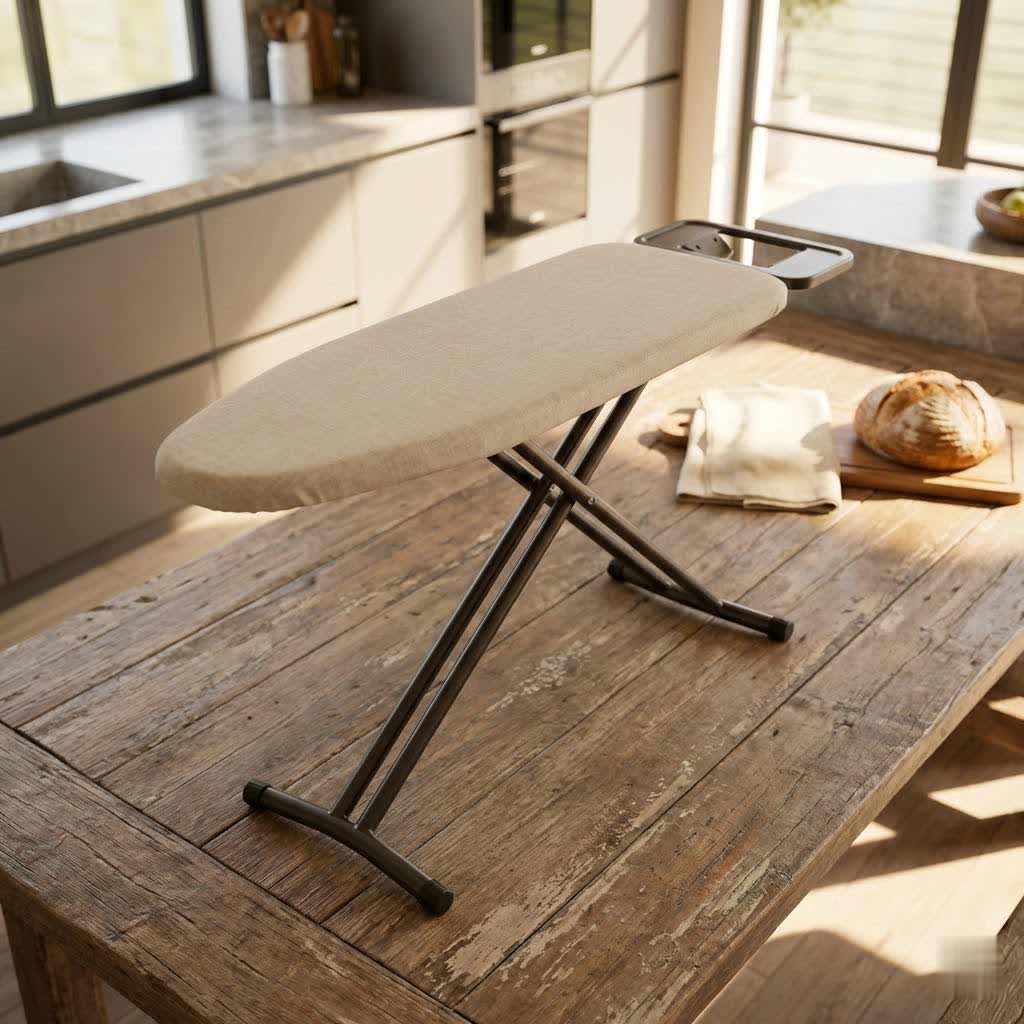
Do you ever find yourself struggling to achieve perfectly pressed shirt sleeves, free from unsightly creases or crumpled edges? You’re not alone. Ironing intricate garment sections can be a daunting task, often leaving you frustrated with less-than-perfect results. This comprehensive guide will explore the world of ironing boards with sleeve boards, revealing how this specialized tool can transform your ironing routine, ensuring every piece of clothing looks professionally pressed.
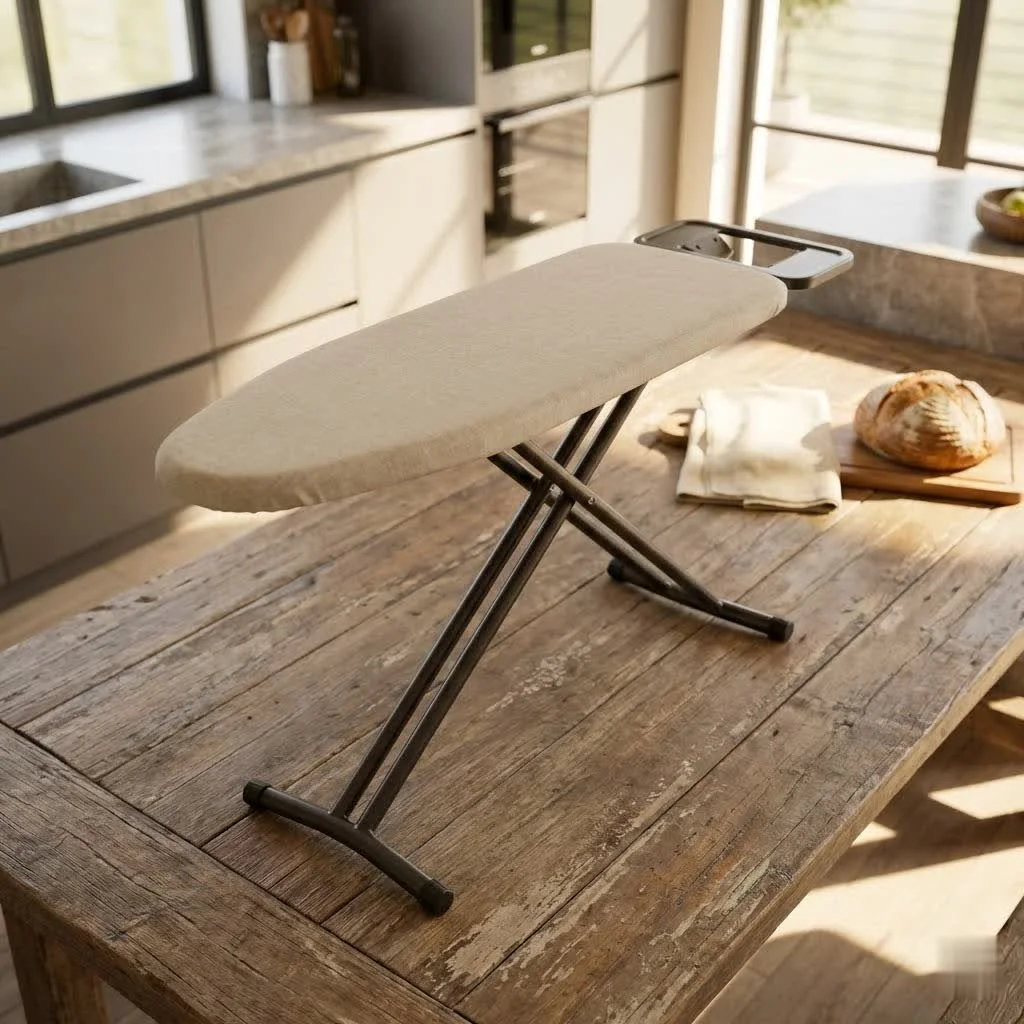
What is an Ironing Board, and How Does a Sleeve Board Enhance It?
An ironing board is a fundamental household tool, providing a stable, heat-resistant surface for pressing clothes. While traditional ironing boards excel at handling large, flat garments like sheets or trousers, they often fall short when it comes to sleeves, cuffs, and other narrow, cylindrical areas. This is where the ingenious sleeve board comes into play. For complete home laundry library on this site.
A sleeve board is essentially a miniature ironing board, smaller and narrower than the main board, designed specifically to slip inside sleeves or pant legs. This unique design allows you to iron cylindrical items without inadvertently pressing creases into the opposite side of the fabric. It eliminates the frustration of constantly readjusting fabric and wrestling with awkward angles, making the entire process smoother and more efficient. Think of it as a specialized extension that elevates your ironing capabilities from good to genuinely impeccable.
Exploring Different Types of Ironing Boards with Sleeve Board Integration
The integration of a sleeve board can vary across different ironing board designs, catering to diverse needs and living spaces. Understanding these types will help you choose the ideal solution for your home.
Standing Ironing Boards with Integrated Sleeve Boards
Many full-sized, freestanding ironing boards feature a pull-out or fold-down sleeve board as an integrated accessory. These are highly convenient as the sleeve board is always attached and ready for use.
- Advantages: Offers the stability of a full-sized board combined with the specialized functionality of a sleeve board. The integrated design means one less item to store.
- Disadvantages: Can still be bulky to store if the main board doesn’t fold compactly.
- Applications: Ideal for homes with ample laundry room space and those who frequently iron a variety of garments.
Portable and Tabletop Ironing Boards with Sleeve Sections
For those with limited space, compact portable or tabletop ironing boards often incorporate a sleeve board feature. These smaller boards are designed for quick touch-ups or small loads and can be easily stored away.
- Advantages: Extremely space-saving, lightweight, and easy to set up on any flat surface like a table or countertop. Many fold flat for simple storage.
- Disadvantages: May be less stable than a full-sized board and offer a smaller main ironing surface.
- Applications: Perfect for apartment dwellers, college students, travelers, or anyone needing a convenient, small-scale ironing solution.
Dedicated Sleeve Boards (Standalone Accessories)
|
Our Picks for the Best Ironing Board in 2026
As an Amazon Associate I earn from qualifying purchases.
|
||
| Num | Product | Action |
|---|---|---|
| 1 | Metal Foldable Tabletop Ironing Board with Iron Rest, Portable Ironing Board Small with Heat Resistant Cotton Cover, RAINHOL Mini Iron Board for Small Space and Travel, 31"x12", Gray |

|
| 2 | APEXCHASER Ironing Board Small with Iron Holder, Tabletop Small Iron Board with 2 Heat Resistant Ironing Covers, Portable Tabletop Ironing Board with Non-Slip Feet for Home Travel Use |
|
| 3 | Tabletop Ironing Board,Portable Iron Board with Iron Rest, Foldable Small Ironing Board with Heat Resistant Cover and 100% Cotton Pad, 31.5"x11.8"x7", Grey |
|
| 4 | Amazon Basics Ironing Board Tabletop 77x29 cm, White, Floral |
|
| 5 | Metal Mesh Panel Tabletop Ironing Board - Foldable Iron Board - Heavy Duty Small Iron Board with Heat Resistant Cover and 100% Cotton 8mm Thicken Pad - 31.5"x11.8"x6.2" |
|
| 6 | Ironing Board Full Size 54x14, RAINHOL Heavy Duty Iron Board with Thick Padded Cover, Height Adjustable Ironing Boards with Smart Hanger, Heat-Resistant Silicone Pad Iron Rest |
|
| 7 | Joseph Joseph Pocket Folding Tabletop Ironing Board with Iron Holder and wall mount, Compact Space-Saving , Grey/Yellow |
|
| 8 | Foldable Table Top Ironing Board with Iron Rest, Portable Ironing Board Small with Heat Resistant Cotton Cover, Mini Iron Board for Small Space and Travel, 31"x12", Black |
|
| 9 | KINGBOARD Tabletop Ironing Board, Small Ironing Boards with Iron Rest, Folding Iron Board, Extra Thick Cover, Portable Tabletop Ironing Board with Non-Slip Feet, 30x12 Blue |
|
| 10 | Full Size Ironing Board Made in USA – Beige by Seymour Home Products 4 Heavy-Duty Steel Legs Perforated Top for Steam Includes Cover & Pad Sturdy, Foldable Iron Board for Home & Laundry |
|
Sometimes, the sleeve board is a completely separate, standalone accessory that you can use with any existing ironing setup. These are typically small, sturdy, and designed for portability.
- Advantages: Highly specialized for sleeves and small areas, often featuring two different sized pressing surfaces to accommodate various garment diameters. They are lightweight and easy to store.
- Disadvantages: Requires separate storage and setup, adding an extra step to your ironing routine.
- Applications: Excellent for sewers, crafters, or individuals who frequently iron many shirts and prefer a dedicated tool for sleeves, regardless of their main ironing board.
Benefits of an Ironing Board with a Sleeve Board
Incorporating a sleeve board into your ironing arsenal offers a wealth of advantages, fundamentally changing the way you approach garment care.
- Achieve Impeccable, Wrinkle-Free Sleeves: The contoured shape of a sleeve board mimics the natural curve of an arm, allowing you to iron sleeves smoothly from shoulder to cuff without introducing new wrinkles or creases. This is virtually impossible to do perfectly on a flat, standard board.
- Eliminate Unsightly Creases: Say goodbye to the double creases that often appear when you attempt to iron both sides of a sleeve simultaneously on a flat surface. The sleeve board ensures a single, crisp edge or a perfectly smooth, uncreased sleeve as desired.
- Precision for Small and Intricate Areas: Beyond sleeves, a sleeve board is invaluable for ironing cuffs, collars, plackets, pockets, and other small or awkwardly shaped sections of clothing. It provides the firm, narrow surface needed for precise pressing.
- Ideal for Delicate Garments and Children’s Clothes: Its smaller size and focused surface make it perfect for handling delicate fabrics or the tiny garments of children, ensuring gentle and effective ironing.
- A Seamstress’s Best Friend: For those who sew, a sleeve board is indispensable for pressing open seams, especially in tight areas like garment sleeves or small details, contributing to a professional finish.
- Time-Saving Efficiency: By providing a dedicated surface for sleeves, you reduce the time spent struggling to manipulate fabric on a large board, leading to a quicker and more efficient ironing session.
> “Using a dedicated sleeve board significantly improves the finish of your clothing by enabling precise control over areas that are structurally complex and prone to distortion. It ensures seams stay aligned, cuffs sit naturally, and collar points maintain sharpness.” – ReviewPlusss Admin, Ironing & Laundry Expert
Comparison: Ironing Board with Integrated Sleeve vs. Standalone Sleeve Board
| Feature | Integrated Sleeve Board (on Main Board) | Portable Standalone Sleeve Board |
|---|---|---|
| Convenience | High (always attached to main board) | High (for specific tasks, can be placed anywhere) |
| Stability | Very High (part of the main board’s sturdy frame) | Moderate to High (depends on design, usually good) |
| Storage | Folds with main board (can still be bulky) | Very Easy (compact, fits in drawers/closets) |
| Usage Scenario | General ironing with occasional sleeve pressing | Dedicated sleeve ironing, small garment details, sewing projects |
| Portability | Limited (depends on main board’s portability) | High (lightweight, easy to move) |
| Cost | Included in the main ironing board price | Generally lower, purchased separately |
Guide to Choosing Your Perfect Ironing Board with Sleeve Board
Selecting the right ironing board with a sleeve board requires considering several factors to match your specific ironing habits and needs.
1. Material and Construction
- Surface Material: Look for a padded surface. Heavy felt or foam padding provides a soft, smooth ironing experience. The cover itself should be heat-reflective, scorch-resistant, and durable cotton or a synthetic blend, sometimes Teflon-coated for smooth gliding. Replaceable covers are a plus for longevity.
- Frame Material: A sturdy frame, typically made of steel or aluminum, is crucial for stability and durability. For standalone sleeve boards, look for sturdy plywood or metal construction.
2. Size and Design
- Sleeve Board Dimensions: Some sleeve boards offer two different sized surfaces (e.g., one narrower, one wider) to accommodate various garment sizes, from children’s clothes to adult shirts. Consider the types of garments you iron most frequently.
- Overall Board Size (for integrated options): If choosing a main ironing board with an integrated sleeve board, consider the overall size of the main board. A longer, wider board is efficient for larger items, but ensure it’s still manageable for your space.
- Collapsibility and Portability: If space is a concern, prioritize models that fold flat for easy storage. Lightweight designs are beneficial for portability.
3. Stability and Safety
- Legs and Base: For standing or tabletop models, ensure the legs are robust and have non-slip feet to prevent wobbling or tipping during use.
- Locking Mechanism: If it’s a collapsible board, check for a secure locking mechanism that prevents accidental folding or collapsing, especially important in households with children or pets.
4. Additional Features
- Adjustable Height: For main ironing boards, adjustable height settings are ergonomic and allow multiple users to find a comfortable working position, whether standing or sitting.
- Iron Rest: A built-in iron rest on the main board can be a convenient feature.
- Storage Solutions: Some boards come with hooks for hanging or are designed to fit into specific storage spaces.
5. Brand and Price
Invest in a reputable brand known for quality and durability. While dedicated sleeve boards are typically affordable, the price of an integrated unit will depend on the overall quality and features of the main ironing board. Compare options to find the best value for your budget.
Top Characteristics of Highly-Rated Ironing Boards with Sleeve Boards
While specific product recommendations are outside the scope, highly-rated ironing boards with sleeve boards often share common characteristics:
- Robust Construction: They boast a strong, stable frame, whether it’s a full-sized board or a compact tabletop version. This prevents frustrating wobbling.
- Quality Surface: The ironing surface is well-padded and covered with premium, heat-resistant fabric that allows for smooth iron gliding and efficient wrinkle removal. Many include a scorch-resistant surface for extended cover life.
- Thoughtful Design: Integrated sleeve boards are easy to deploy and retract, while standalone versions are lightweight and compact for effortless storage and portability. Many standalone models offer dual-sized sleeve surfaces for versatility.
- User-Friendly Features: Adjustable height, secure locking mechanisms, and smooth folding actions contribute to a positive user experience.
Tips for Using and Maintaining Your Ironing Board with Sleeve Board
To get the most out of your sleeve board and ensure its longevity, follow these practical tips:
Effective Usage
- Positioning is Key: Slip the sleeve over the board so that the area you need to iron is perfectly flat on the surface, ensuring the seam runs along the edge or underside of the board to avoid unwanted creases.
- Rotate, Don’t Drag: Instead of pulling the sleeve along the board, lift and rotate the garment as you iron each section to ensure an even press without stretching or distorting the fabric.
- Utilize Both Ends (if applicable): If your sleeve board has two different widths, use the narrower end for cuffs and children’s clothes, and the wider end for standard shirt sleeves.
- Steam is Your Friend: Use steam from your iron to relax fabric fibers, making wrinkles easier to remove and achieving a crisper finish.
- Pressing Cloth: For delicate fabrics or dark garments, always use a pressing cloth to prevent scorching and iron marks.
Care and Maintenance
- Clean the Surface Regularly: Over time, starch residue or fabric fibers can accumulate on the cover. Wipe it down with a damp cloth or remove and wash the cover if it’s machine-washable.
- Check Padding: Ensure the padding beneath the cover remains intact and evenly distributed for optimal ironing. Replace if it becomes lumpy or worn.
- Store Properly: When not in use, fold and store your ironing board in a dry, safe place. This protects it from damage and keeps your space tidy.
- Inspect for Wear: Periodically check the frame, legs, and locking mechanisms for any signs of wear or damage. Address minor issues promptly to prevent further problems.
Conclusion
An ironing board with a sleeve board is far more than just another household item; it’s a game-changer for anyone who values a polished appearance. By providing a specialized surface for sleeves and other tricky areas, this tool empowers you to achieve professional-quality results right in your home, saving you time and frustration. From integrated designs on full-sized boards to compact standalone accessories, there’s a perfect solution waiting to transform your ironing experience. Invest in the right sleeve board, and you’ll unlock the secret to perfectly pressed garments, making every outfit look its absolute best.
What kind of garments do you find most challenging to iron, and how do you think a sleeve board could help?
Frequently Asked Questions
Why do I need a sleeve board when I have a regular ironing board?
A sleeve board is essential for achieving truly wrinkle-free sleeves and other small, cylindrical areas that are difficult to press flat on a standard ironing board without creating new creases or stretching the fabric. It provides a specialized, curved surface that mimics the arm’s shape, allowing for precise ironing.
Can I iron sleeves on a regular ironing board?
While it’s technically possible, ironing sleeves on a regular board often results in double creases, flattened seams, or uneven pressing due to the need to fold the sleeve flat. A sleeve board significantly improves the quality and efficiency of ironing sleeves.
Are all sleeve boards the same size?
No, sleeve boards come in various sizes and shapes. Some standalone models feature two different widths on a single board to accommodate a range of sleeve diameters, from small children’s clothing to larger adult garments.
How do I clean a sleeve board cover?
Most sleeve board covers are removable and can be hand-washed or machine-washed on a gentle cycle, depending on the material. Always check the manufacturer’s care instructions for specific cleaning guidelines to ensure the cover’s longevity and performance.
Get our weekly buyer guide
Practical specs, not advice. Unsubscribe anytime.
