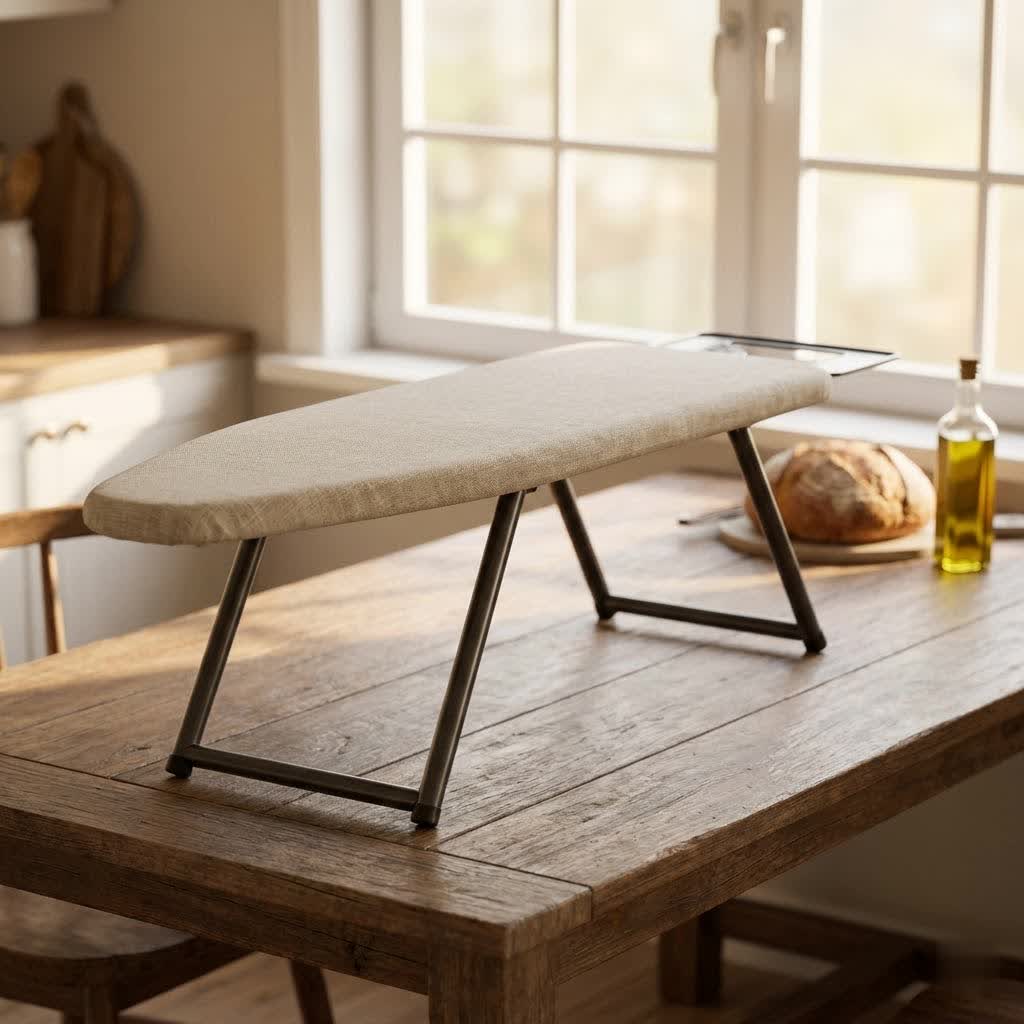
Step into a world where everyday household items were crafted with an eye for both utility and beauty. In an era of disposable goods, a vintage ironing board stands as a shows durability and design, offering far more than just a surface for pressing clothes. These charming relics from the past whisper stories of domestic life, seamlessly blending into modern homes as functional pieces, decorative accents, or clever repurposed furnitureLet’s examine the rich history and versatile appeal of these timeless treasures.
What is an Ironing Board?
At its core, an ironing board is a flat, stable surface designed to facilitate the smoothing of fabric with a heated iron. While today’s models often feature lightweight metal and sophisticated adjustments, the concept dates back centuries. The earliest known ironing boards were used by the Vikings in the 9th century, crafted from flat whalebone and used with heated rocks. Over time, people in Europe and America used simple planks of wood, often placed between two chairs or on a kitchen table, before patented designs emerged in the mid-19th century. W. Vandenburg patented an “ironing table” in 1858, and Miss S. A. Mort introduced a truly folding ironing board with a removable sleeve pressboard in 1866. The portable ironing board was later patented by Elijah McCoy in 1874. However, it was Sarah Boone, an African American inventor, who, in 1892, patented significant improvements to the ironing board, creating a narrow, curved design specifically tailored for pressing sleeves and the bodies of women’s garments, laying the groundwork for the modern ironing board we know today. For expert home laundry reviews on this site.
Popular Types of Vintage Ironing Boards
Vintage ironing boards come in several forms, each reflecting the domestic needs and styles of its era. Understanding these types can help you appreciate their unique characteristics and potential uses.
- Standing Ironing Board (Traditional/Freestanding): These are perhaps the most recognizable vintage ironing boards, featuring a sturdy top and foldable legs. Early models were predominantly made of wood, showcasing craftsmanship with simple, robust frames. Later vintage versions introduced metal components, sometimes with perforated tops to allow steam to escape, preventing warping. They offered a substantial ironing surface, ideal for a wide range of garments.
- Pros: High stability, large ironing surface, often aesthetically pleasing wood grain or painted metal.
- Cons: Can be bulky when stored, even when folded.
- Usage: General household ironing, often used as decorative pieces or repurposed tables.
- Wall-Mounted Ironing Board (Built-in): A marvel of space-saving design, these boards were often integrated into the walls of older homes, neatly folding away into a cabinet when not in use. They typically featured a wooden or metal board attached to a collapsing mechanism.
- Pros: Exceptional space-saving, completely out of sight when stored, stable due to fixed installation.
- Cons: Immobile, requires permanent installation, can be harder to find intact.
- Usage: Permanent laundry room setup, adding historical charm to renovated spaces.
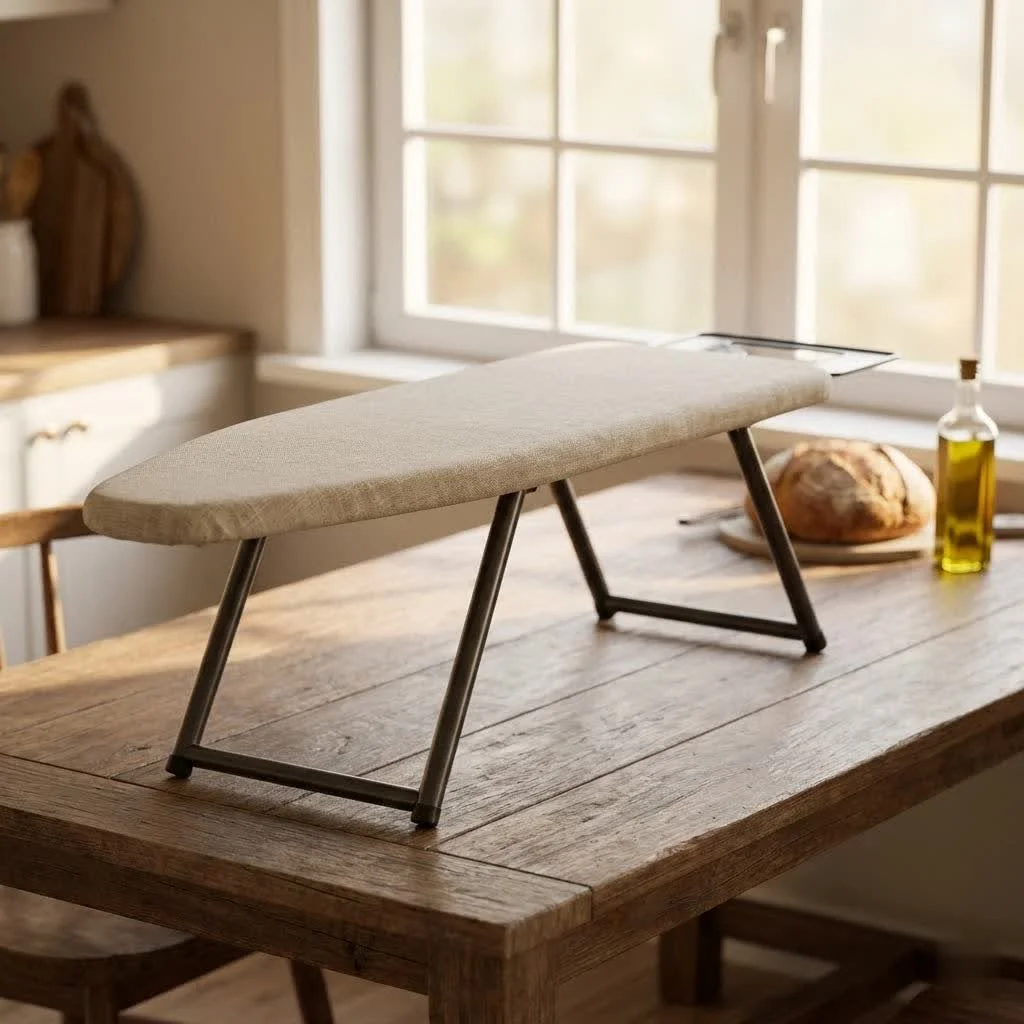
- Portable/Tabletop Ironing Board: Smaller and lighter, these compact boards were designed to be placed on a table or counter. They were often used for smaller items or by those with limited space. You might also find charming “child’s ironing boards” among this category, sometimes used for play or actual small garment pressing.
- Pros: Highly portable, easy to store, versatile for small ironing tasks.
- Cons: Smaller ironing surface, less stable than full-sized boards.
- Usage: Travel, pressing small garments, decorative accents, children’s play.
- Sleeve Board: A specialized, much smaller ironing board, often tapered and curved, designed specifically for ironing sleeves, pant legs, and other narrow or intricate garment areas. Some traditional ironing boards had integrated or detachable sleeve boards.
- Pros: Perfect for precise ironing tasks, excellent for tailoring and delicate items.
- Cons: Limited in overall utility.
- Usage: Specialty garment pressing, tailoring, sometimes used as small display risers.
Comparison of Vintage Ironing Board Types
| Feature | Standing (Traditional) | Wall-Mounted | Portable/Tabletop | Sleeve Board |
|---|---|---|---|---|
| Stability | High | High (fixed) | Low to Medium | High (due to size) |
| Convenience | Moderate (folds) | High (tucks away) | High (compact) | High (specialized) |
| Ironing Surface | Large | Medium | Small | Very Small |
| Portability | Moderate | Low | High | High |
| Common Materials | Wood, Metal | Wood, Metal | Wood, Metal | Wood, Metal |
Buying Guide: Choosing Your Vintage Ironing Board
When embarking on the quest for a vintage ironing board, whether for practical use or decorative flair, several factors should guide your selection.
- Material: Vintage boards vary widely in construction.
- Wood: Early models often boast solid wood construction, sometimes with beautiful natural finishes. Look for signs of warping, cracks, or rot. Wooden boards offer a rustic charm.
- Metal: Later vintage boards introduced metal frames and perforated metal tops. Check for rust, especially on the surface and folding mechanisms. Metal boards can offer greater durability and resistance to warping.
- Size & Stability: Consider where the board will live and its intended purpose. If you plan to iron, ensure the legs are sturdy and the folding mechanism operates smoothly and locks securely. For decorative purposes, the size might be less critical, but stability is still important to prevent tipping.
- Condition: Examine the board for any permanent damage. For wooden boards, deep scratches, major warping, or unstable joints are red flags. For metal boards, severe rust that compromises the structure or makes folding difficult is problematic. The original padding and cover are often worn or stained and will likely need replacement. Don’t let a tattered cover deter you, as these are easily updated.
- Era/Style: Vintage boards span decades, each with its own aesthetic. “Primitive” boards often feature simple, raw wood designs. Mid-century boards might incorporate brighter colors, sleek metal legs, and more streamlined shapes, offering a touch of retro cool.
- Purpose: Are you buying it to iron clothes, or for its decorative potential? If for actual ironing, prioritize stability, a good surface, and functional height adjustment. If for decor, focus on aesthetic appeal, unique features, and how it will integrate with your existing style.
- Price: The cost of a vintage ironing board can vary greatly depending on its rarity, condition, and material. Primitive wooden boards or those with unique features (like built-in cabinets) might command higher prices than more common metal folding types. Check online marketplaces and local antique shops to get a sense of fair pricing.
Top Uses for Vintage Ironing Boards Beyond Ironing
The charm and unique construction of vintage ironing boards make them perfect candidates for repurposing, adding character and functionality to any space.
- Decorative Display: Simply leaned against a wall, a vintage ironing board can become a striking piece of wall art. Its unique silhouette and aged materials add immediate character to rustic, farmhouse, or eclectic interiors.
- Repurposed Furniture:
- Snack Table or Bar Cart: A small, portable vintage ironing board can be easily converted into an impromptu snack table or a stylish bar cart for entertaining. Its foldable nature means it can be tucked away when not in use.
- High-Boy Table: For outdoor dining or a casual gathering, a repurposed ironing board can serve as a slim, high-boy table, offering a unique industrial or farmhouse touch.
- Book Nook Accent: Prop a wooden ironing board in a cozy corner and adorn it with books and a small lamp to create an inviting reading nook.
- Flower Stand Vignette: Showcase your favorite potted plants, vases of fresh flowers, or seasonal decor on a vintage ironing board, creating a charming focal point.
- Laundry Room Folding Table: In a laundry room, an old ironing board makes an excellent, space-efficient folding table, adding both utility and vintage appeal to a utilitarian space.
- Entryway or Sofa Table: Due to their often slender build, some vintage ironing boards can be ingeniously repurposed as narrow entryway tables or behind-the-sofa consoles, perfect for displaying decor or catching keys.
Tips for Restoring and Maintaining Your Vintage Ironing Board
Giving a vintage ironing board a new lease on life can be a rewarding project. With a little care, you can preserve its history and enhance its appeal.
- Cleaning:
- For Wood: Gently clean wooden surfaces with a mild soap and warm water solution, then dry thoroughly. To nourish and protect the wood, apply linseed oil or a good quality furniture oil, allowing it to penetrate completely.
- For Metal: Remove rust from metal legs and surfaces using white vinegar and a cloth, or specialized rust removers for tougher spots. Clean with dish soap and water. If desired, repaint metal legs with a rust-inhibiting spray paint in a color that complements your decor. to tape off any rubber feet or hinges you wish to protect.
- Repairing: Inspect all hardware, such as hinges, springs, and locking mechanisms. Clean them thoroughly, and if they squeak or stick, apply a small amount of lubricating spray. If parts are broken, consider if replacements can be sourced or fabricated. Warped wooden boards are challenging to fix, but clamping them flat over time may help slightly.
- Recovering: The original cover and padding are almost always worn out. Remove them completely. Add new batting or a heat-reflective underlay for a smoother, more effective ironing surface. Then, create a custom fabric cover using a durable, heat-resistant fabric, cut with enough allowance to wrap around and secure underneath, often with elastic for a snug fit.
Conclusion
A vintage ironing board is more than just a relic of domestic history; it’s a versatile piece brimming with character and potential. From its humble origins in Viking homes to Sarah Boone’s innovative designs, these boards have always played a crucial role in maintaining garments. Today, they offer a unique blend of historical charm and adaptive functionality, effortlessly transitioning from a practical ironing surface to a stylish decorative element or a creatively repurposed furniture piece. Whether you cherish it for its original purpose, transform it into a striking display, or integrate it as a clever solution for modern living, a vintage ironing board is an investment in enduring appeal and timeless utility. So, why not embrace the history and add a touch of authentic charm to your home with one of these remarkable finds?
Frequently Asked Questions
What are vintage ironing boards typically made of?
|
Our Picks for the Best Ironing Board in 2026
As an Amazon Associate I earn from qualifying purchases.
|
||
| Num | Product | Action |
|---|---|---|
| 1 | APEXCHASER Ironing Board Small with Iron Holder, Tabletop Small Iron Board with 2 Heat Resistant Ironing Covers, Portable Tabletop Ironing Board with Non-Slip Feet for Home Travel Use |

|
| 2 | KINGBOARD Tabletop Ironing Board, Small Ironing Boards with Iron Rest, Folding Iron Board, Extra Thick Cover, Portable Tabletop Ironing Board with Non-Slip Feet, 30x12 Blue |
|
| 3 | Metal Mesh Panel Tabletop Ironing Board - Foldable Iron Board - Heavy Duty Small Iron Board with Heat Resistant Cover and 100% Cotton 8mm Thicken Pad - 31.5"x11.8"x6.2" |
|
| 4 | Joseph Joseph Pocket Folding Tabletop Ironing Board with Iron Holder and wall mount, Compact Space-Saving , Grey/Yellow |
|
| 5 | Amazon Basics Ironing Board Tabletop 77x29 cm, White, Floral |
|
| 6 | Full Size Ironing Board Made in USA – Beige by Seymour Home Products 4 Heavy-Duty Steel Legs Perforated Top for Steam Includes Cover & Pad Sturdy, Foldable Iron Board for Home & Laundry |
|
| 7 | Metal Foldable Tabletop Ironing Board with Iron Rest, Portable Ironing Board Small with Heat Resistant Cotton Cover, RAINHOL Mini Iron Board for Small Space and Travel, 31"x12", Gray |
|
| 8 | Foldable Table Top Ironing Board with Iron Rest, Portable Ironing Board Small with Heat Resistant Cotton Cover, Mini Iron Board for Small Space and Travel, 31"x12", Black |
|
| 9 | Tabletop Ironing Board,Portable Iron Board with Iron Rest, Foldable Small Ironing Board with Heat Resistant Cover and 100% Cotton Pad, 31.5"x11.8"x7", Grey |
|
| 10 | Ironing Board Full Size 54x14, RAINHOL Heavy Duty Iron Board with Thick Padded Cover, Height Adjustable Ironing Boards with Smart Hanger, Heat-Resistant Silicone Pad Iron Rest |
|
Vintage ironing boards were primarily made from wood in earlier designs, transitioning to metal frames and perforated metal tops in later models, particularly from the mid-20th century onwards.
How do you clean an old wooden ironing board?
To clean a wooden vintage ironing board, use a mild soap and warm water solution, wiping gently. For nourishment and protection, apply linseed oil or a quality furniture oil after cleaning and drying.
Can I still iron on a vintage ironing board?
Yes, many vintage ironing boards are still perfectly functional for ironing, especially sturdy wooden or well-maintained metal models. You may need to replace the old padding and cover for optimal performance and hygiene.
Where can I find vintage ironing boards?
You can discover vintage ironing boards at antique shops, flea markets, garage sales, estate sales, and online marketplaces like eBay and Etsy.
What are some creative ways to use a vintage ironing board for decor?
Beyond ironing, vintage ironing boards can be repurposed as unique console tables, bar carts, plant stands, book nooks, or decorative backdrops leaned against a wall, adding a touch of rustic or retro charm to any room.
Are vintage ironing boards valuable?
The value of a vintage ironing board varies based on its age, rarity, material (e.g., primitive wood can be more sought after), condition, and unique features. Some rare or historically significant pieces can be quite valuable to collectors.
Who is credited with inventing the modern ironing board?
While various forms of ironing surfaces existed for centuries, Sarah Boone, an African American inventor, patented significant improvements to the ironing board in 1892, creating a design that closely resembles the modern ironing board with its curved shape ideal for garments.
Get our weekly buyer guide
Practical specs, not advice. Unsubscribe anytime.
