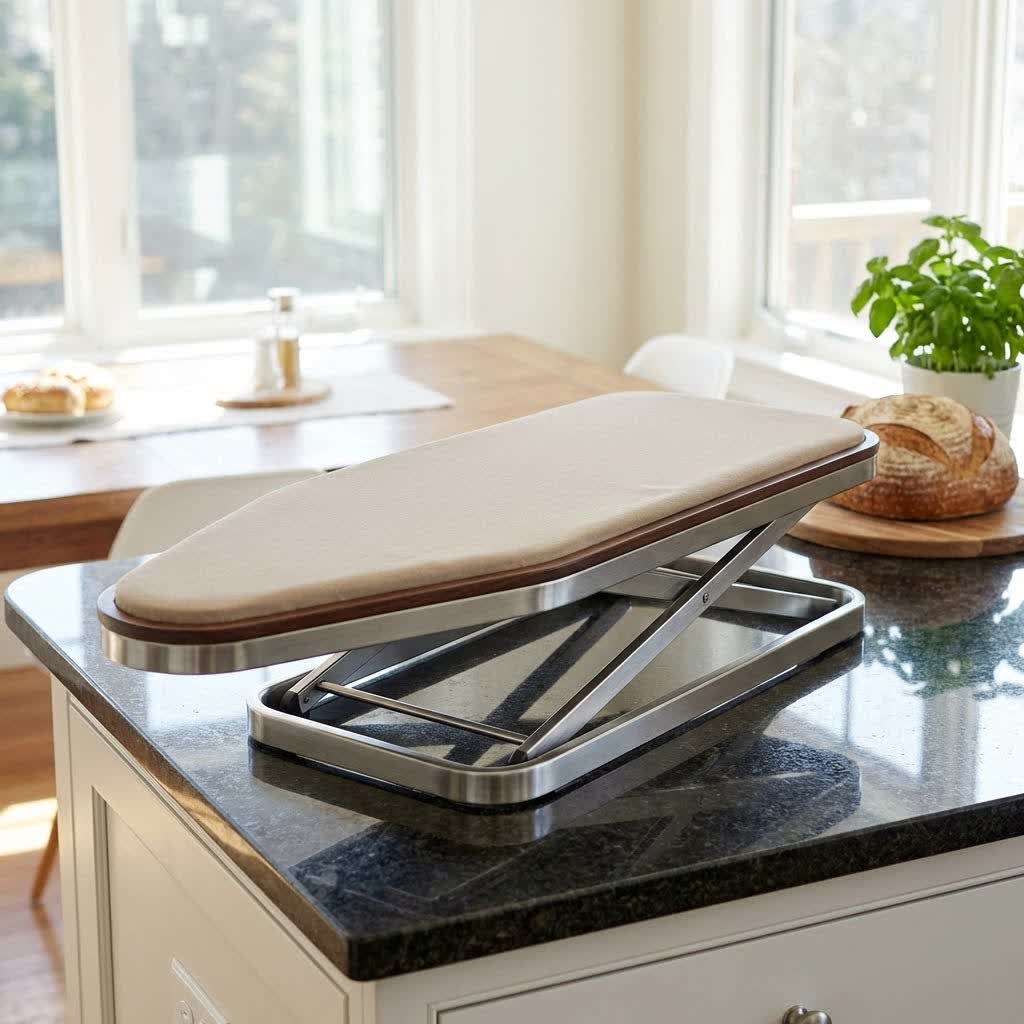
Do you ever stare at a wrinkled shirt, dreading the cumbersome process of setting up a bulky, traditional ironing board? In our increasingly compact living spaces, from cozy apartments to bustling dorm rooms or even RVs, a full-sized ironing board often feels like an unwelcome giant. This is where the little ironing board emerges as a hero, offering a streamlined, space-saving solution without compromising on the crisp, polished look your garments deserve. Designed for convenience and efficiency, these compact wonders are changing the way we approach daily chores.
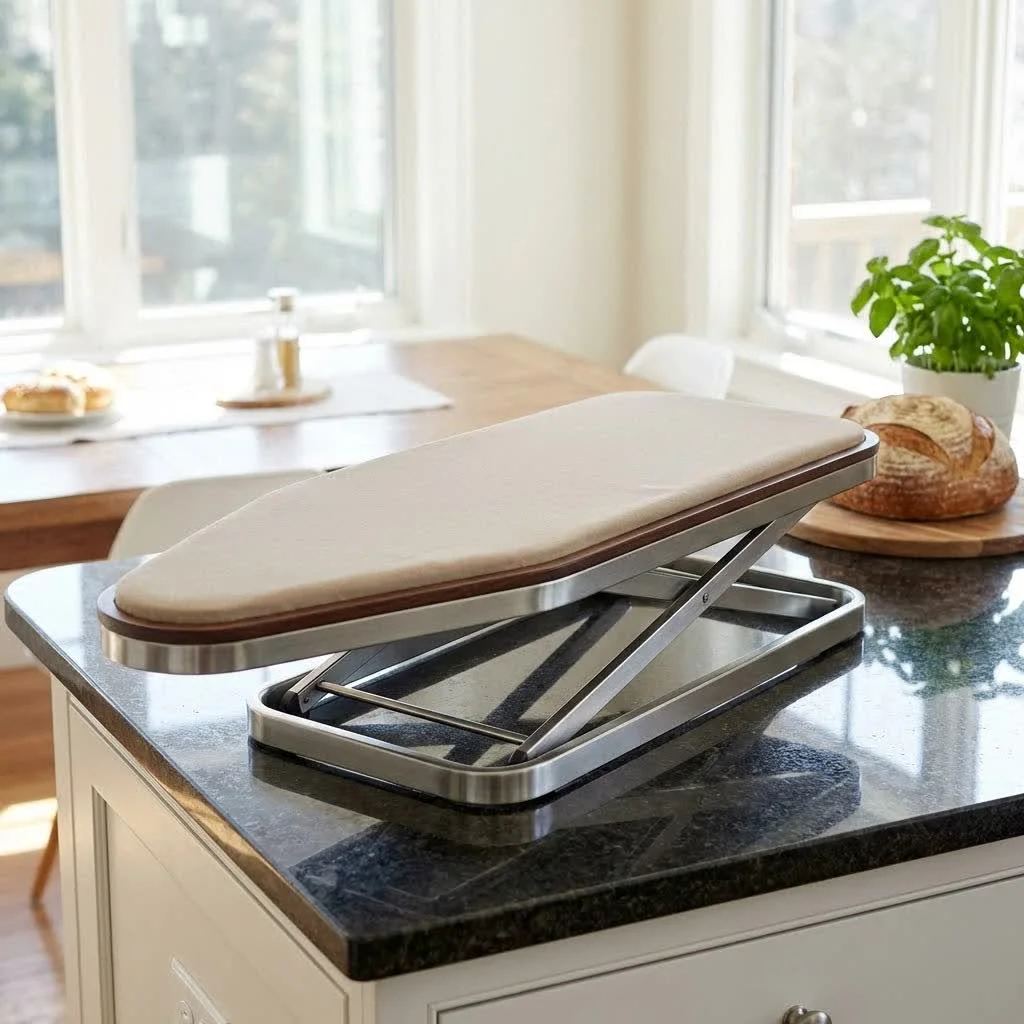
An ironing board is fundamentally a flat, padded surface engineered to provide an optimal, heat-resistant platform for ironing clothes. For centuries, people used makeshift surfaces, but the dedicated ironing board revolutionized garment care, ensuring stability and a smooth finish. While traditional boards are large and adjustable, designed for extensive laundry loads, the evolution of modern living has driven the demand for more agile alternatives. A little ironing board caters precisely to this need, offering all the essential functionality in a smaller, more manageable footprint, perfect for quick touch-ups or handling smaller clothing items with ease.
Understanding the World of Little Ironing Boards
Not all ironing boards are created equal, especially when space is a premium. The “little” category encompasses several designs, each with unique advantages tailored to specific needs and environments.
Tabletop Ironing Boards
These are arguably the most popular type of little ironing board. Designed to be placed on any sturdy flat surface like a kitchen counter, dining table, or desk, tabletop ironing boards are a game-changer for those with limited storage.
- Advantages:
- Exceptional Portability: Lightweight and easy to move, they are ideal for students, travelers, or anyone needing to iron on the go.
- Space-Saving Design: When not in use, they fold down compactly, fitting into drawers, under beds, or hanging discreetly in a closet.
- Quick Setup: Ready in seconds, perfect for last-minute touch-ups before heading out the door.
- Cost-Effective: Often more affordable than their full-sized counterparts, making them a budget-friendly choice.
- Disadvantages:
- Limited Surface Area: May pose challenges for larger garments like dresses or wide trousers, requiring more repositioning.
- Ergonomic Considerations: The height is dictated by the surface they rest on, which might not always be ideal, potentially leading to bending.
- Ideal Application: Small apartments, dorm rooms, quick touch-ups, crafting, travel.
Portable Standing Ironing Boards
While still compact, these little ironing boards feature their own collapsible legs, making them freestanding. They are smaller than traditional boards but offer more versatility than tabletop versions.
- Advantages:
- Adjustable Height: Many models offer multiple height settings, allowing you to iron comfortably whether sitting or standing.
- Increased Stability: Generally more stable than tabletop versions due to dedicated leg structures, often with non-slip feet.
- Moderate Surface Area: Provides a larger ironing surface compared to tabletop models, while still being easily foldable for storage.
- Disadvantages:
- Larger Footprint than Tabletop: Still requires floor space during use and folded storage, though less than a full-sized board.
- Less Portable for Travel: While foldable, they might be too large for easy luggage transport.
- Ideal Application: Small homes, laundry rooms, individuals who need variable height, occasional use.
Wall-Mounted Ironing Boards
|
Our Picks for the Best Ironing Board in 2026
As an Amazon Associate I earn from qualifying purchases.
|
||
| Num | Product | Action |
|---|---|---|
| 1 | APEXCHASER Ironing Board Small with Iron Holder, Tabletop Small Iron Board with 2 Heat Resistant Ironing Covers, Portable Tabletop Ironing Board with Non-Slip Feet for Home Travel Use |

|
| 2 | Tabletop Ironing Board,Portable Iron Board with Iron Rest, Foldable Small Ironing Board with Heat Resistant Cover and 100% Cotton Pad, 31.5"x11.8"x7", Grey |
|
| 3 | Ironing Board Full Size 54x14, RAINHOL Heavy Duty Iron Board with Thick Padded Cover, Height Adjustable Ironing Boards with Smart Hanger, Heat-Resistant Silicone Pad Iron Rest |
|
| 4 | Metal Mesh Panel Tabletop Ironing Board - Foldable Iron Board - Heavy Duty Small Iron Board with Heat Resistant Cover and 100% Cotton 8mm Thicken Pad - 31.5"x11.8"x6.2" |
|
| 5 | Metal Foldable Tabletop Ironing Board with Iron Rest, Portable Ironing Board Small with Heat Resistant Cotton Cover, RAINHOL Mini Iron Board for Small Space and Travel, 31"x12", Gray |
|
| 6 | KINGBOARD Tabletop Ironing Board, Small Ironing Boards with Iron Rest, Folding Iron Board, Extra Thick Cover, Portable Tabletop Ironing Board with Non-Slip Feet, 30x12 Blue |
|
| 7 | Foldable Table Top Ironing Board with Iron Rest, Portable Ironing Board Small with Heat Resistant Cotton Cover, Mini Iron Board for Small Space and Travel, 31"x12", Black |
|
| 8 | Amazon Basics Ironing Board Tabletop 77x29 cm, White, Floral |
|
| 9 | Full Size Ironing Board Made in USA – Beige by Seymour Home Products 4 Heavy-Duty Steel Legs Perforated Top for Steam Includes Cover & Pad Sturdy, Foldable Iron Board for Home & Laundry |
|
| 10 | Joseph Joseph Pocket Folding Tabletop Ironing Board with Iron Holder and wall mount, Compact Space-Saving , Grey/Yellow |
|
These clever little ironing boards are designed to permanently attach to a wall or inside a cabinet, folding out when needed and tucking away neatly when not.
- Advantages:
- Maximum Space-Saving: Frees up floor space entirely, perfect for extremely tight areas.
- Always Ready: No need to retrieve from storage; simply fold down and begin ironing.
- Sturdy: Once installed, they typically offer excellent stability.
- Disadvantages:
- Permanent Installation: Requires drilling and a dedicated spot.
- Less Flexible: Cannot be moved to different rooms or taken on trips.
- Ideal Application: Small laundry rooms, hotel rooms, utility closets, homes with minimal floor space.
Ironing Mats and Sleeve Boards
For the absolute minimum, ironing mats are heat-resistant cloths that can be laid on any surface. Sleeve boards are tiny, specialized boards for cuffs and sleeves.
- Advantages:
- Ultra-Compact: Extremely easy to store and carry.
- Versatile: Can be used almost anywhere.
- Disadvantages:
- No Stability: Relies entirely on the surface beneath it.
- Very Limited Surface Area: Only suitable for very small items or specific garment parts.
- Ideal Application: Travel, quick touch-ups on tiny items, specialized tailoring.
Comparing Your Little Ironing Board Options
To help you decide, here’s a quick comparison of the most popular types of compact ironing solutions:
| Feature | Tabletop Ironing Board | Portable Standing Board | Wall-Mounted Board | Ironing Mat |
|---|---|---|---|---|
| Stability | Medium (depends on surface) | High | High | Low |
| Convenience | High (quick setup) | Medium (fold/unfold) | High (always ready) | Very High |
| Ironing Area | Small to Medium | Medium to Large | Medium | Very Small |
| Portability | Very High | High | Low | Very High |
| Storage | Excellent (fits in drawers) | Good (folds flat) | Excellent (out of sight) | Excellent |
| Installation | None | None | Required | None |
| Price Range | Low to Medium | Medium | Medium to High | Very Low |
Your Guide to Choosing the Perfect Little Ironing Board
Selecting the right little ironing board involves more than just picking the smallest one. Consider these crucial factors to ensure it perfectly fits your lifestyle and ironing habits.
Material Matters
The construction materials of your ironing board significantly impact its durability, performance, and weight.
- Ironing Surface: Look for a metal mesh top, typically steel, as it allows steam to pass through, preventing condensation and soggy clothes. Avoid solid wood or particle board surfaces that can warp or trap moisture.
- Padding and Cover: A thick, resilient padding (at least 8mm) is vital for smooth ironing. The cover should be made of durable, heat-resistant material like heavy-duty cotton or a blend with scorch-resistant properties. Some covers even feature reflective coatings to speed up ironing.
- Frame: For portable and tabletop boards, a lightweight yet sturdy steel or aluminum frame is ideal. This ensures stability without adding unnecessary weight. Non-slip feet are essential for any board to prevent wobbling during use.
Size and Dimensions
While “little” is the keyword, size still varies. Consider what you primarily iron.
- Board Length and Width: Common compact sizes range from 24×14 inches for tabletop models to around 43×13 inches for smaller freestanding boards. A larger surface makes it easier to iron shirts and pants, while a tiny one is best for small garments or quick touch-ups.
- Surface Area: Ensure the surface is adequate for your typical laundry load. If you only iron small items like ties, handkerchiefs, or baby clothes, a mini or sleeve board might suffice. For shirts and blouses, a slightly larger tabletop or compact standing board will be more practical.
Stability and Safety
A wobbly ironing board is not only frustrating but also a safety hazard, especially with a hot iron.
- Sturdy Legs/Base: For freestanding portable boards, look for robust, well-braced legs. T-leg designs are common but ensure they lock securely. For tabletop versions, a wide, stable base with non-slip rubber feet is crucial.
- Locking Mechanism: If it’s a folding board, check for a reliable lock that keeps the legs securely in place during use and when stored.
- Heat Resistance: The entire board, especially the iron rest (if included), should be made of heat-resistant materials to prevent damage and reduce the risk of scorching. Metal iron rests are preferable over plastic.
Essential Features
Modern little ironing boards come with thoughtful features that enhance convenience.
- Height Adjustment: If opting for a portable standing board, multiple height settings allow for comfortable ironing while sitting or standing, catering to different users.
- Integrated Iron Rest: A dedicated, heat-resistant spot for your iron keeps it safely out of the way and prevents accidental burns or scorch marks on your clothes.
- Hanging Hook/Storage: Many tabletop and compact boards include a hook for easy hanging in a closet or on a door, maximizing space efficiency. Some even have compartments for storing the iron itself.
- Cord Holder: A small but useful feature that keeps the iron’s cord out of your way as you iron.
Brand Reputation and Price
While specific product recommendations are outside this guide, consider brands known for quality and durability in ironing accessories. Prices for little ironing boards can vary widely, from budget-friendly ironing mats under $20 to more premium compact standing or wall-mounted models that can cost over $100. Balance your budget with the features and quality you need for long-term satisfaction.
Top Picks for Little Ironing Boards
While we can’t recommend specific product models here, we can highlight the types of popular little ironing board designs that consistently earn high praise for their convenience and functionality.
- The “Fold-and-Stow” Tabletop Board: These are celebrated for their ability to disappear almost entirely when not in use. Many designs feature integrated hanging hooks, allowing them to be stored in closets, behind doors, or even inside drawers. They often have sturdy, non-slip feet to ensure stability on any flat surface. Ideal for quick touch-ups and small garments, these boards prioritize ultimate space-saving.
- The “Adjustable Compact” Standing Board: For those who prefer ironing while standing but lack the space for a full-sized unit, these portable standing boards are a perfect compromise. They typically feature a lightweight frame with adjustable height settings, making them comfortable for various users. When folded, they are significantly slimmer than traditional boards, allowing for easy storage in tight spaces. Look for models with a wide, stable base and a good locking mechanism.
- The “Sleeve-and-Craft” Mini Board: Sometimes, you just need a tiny surface for intricate work or small garment parts. These ultra-compact boards, often with specialized shapes for sleeves or collars, are invaluable for crafters, quilters, or for perfecting details on dress shirts. They are exceptionally portable and can be tucked away almost anywhere.
Smart Usage and Care Tips for Your Little Ironing Board
Even a little ironing board can deliver big results with proper use and maintenance.
- Placement is Key: Always use your tabletop board on a stable, heat-resistant surface. Avoid placing it on delicate furniture without adequate protection underneath. For standing boards, ensure the legs are fully extended and locked before use.
- Efficient Ironing Techniques: Due to the smaller surface area, you’ll need to reposition garments more frequently. Iron one section at a time, moving clockwise or counter-clockwise to cover the entire item smoothly. Utilize the pointed end for collars, cuffs, and tight spots.
- Steam Management: If using a steam iron, ensure the board’s cover and padding allow steam to escape through a mesh base to prevent dampness and re-wrinkling.
- Cleaning the Cover: Ironing board covers can accumulate residue over time. Most are removable and machine-washable. Follow the manufacturer’s instructions for cleaning to maintain its effectiveness.
- Proper Storage: Always allow the ironing board to cool completely before folding and storing it. This prevents heat damage to storage areas and prolongs the life of the board. Store it in a dry place to prevent mildew or rust on metal components.
- Check for Wear: Periodically inspect the cover for scorch marks or tears, and the padding for compression. Replace them as needed to ensure optimal ironing results.
Conclusion
The little ironing board is far more than just a miniature version of its larger counterpart; it’s a testament to practical innovation for modern living. By embracing a compact ironing board, you gain the freedom to maintain wrinkle-free garments efficiently, regardless of your living situation. These versatile tools are perfect for quick touch-ups, small loads, and tight spaces, offering stability, portability, and ease of storage that traditional boards simply cannot match. Investing in a high-quality little ironing board means investing in convenience and a perpetually polished wardrobe.
Ready to reclaim your space and simplify your ironing routine? Which compact ironing board will make its way into your home and revolutionize your garment care?
Frequently Asked Questions
What makes a “little ironing board” different from a regular one?
A “little ironing board” is distinguished by its compact size, lightweight design, and enhanced portability, making it ideal for small living spaces or occasional ironing tasks. Unlike standard boards, they prioritize easy storage and quick setup over a large ironing surface, perfect for individuals who only need to iron small items or perform quick touch-ups.
Can I iron all types of clothes on a compact ironing board?
While a compact ironing board is excellent for most smaller garments like shirts, blouses, ties, and children’s clothing, larger items such as bed linens, curtains, or long dresses might be challenging due to the limited surface area. For these, frequent repositioning will be necessary, or a larger board might be more suitable.
Are tabletop ironing boards stable enough for regular use?
Many high-quality tabletop ironing boards are designed with sturdy frames and non-slip feet to provide sufficient stability for regular use on a firm, flat surface. However, their stability ultimately depends on the surface they are placed upon. Always ensure it’s a steady, heat-resistant platform for safe and effective ironing.
How do I store a little ironing board to maximize space?
Little ironing boards are specifically designed for space-saving storage. Most tabletop models fold flat and can be slipped into drawers, under a bed, or hung on a hook in a closet. Portable standing versions also fold compactly to stand upright in a corner or slide into narrow spaces, offering discreet storage solutions.
Get our weekly buyer guide
Practical specs, not advice. Unsubscribe anytime.
