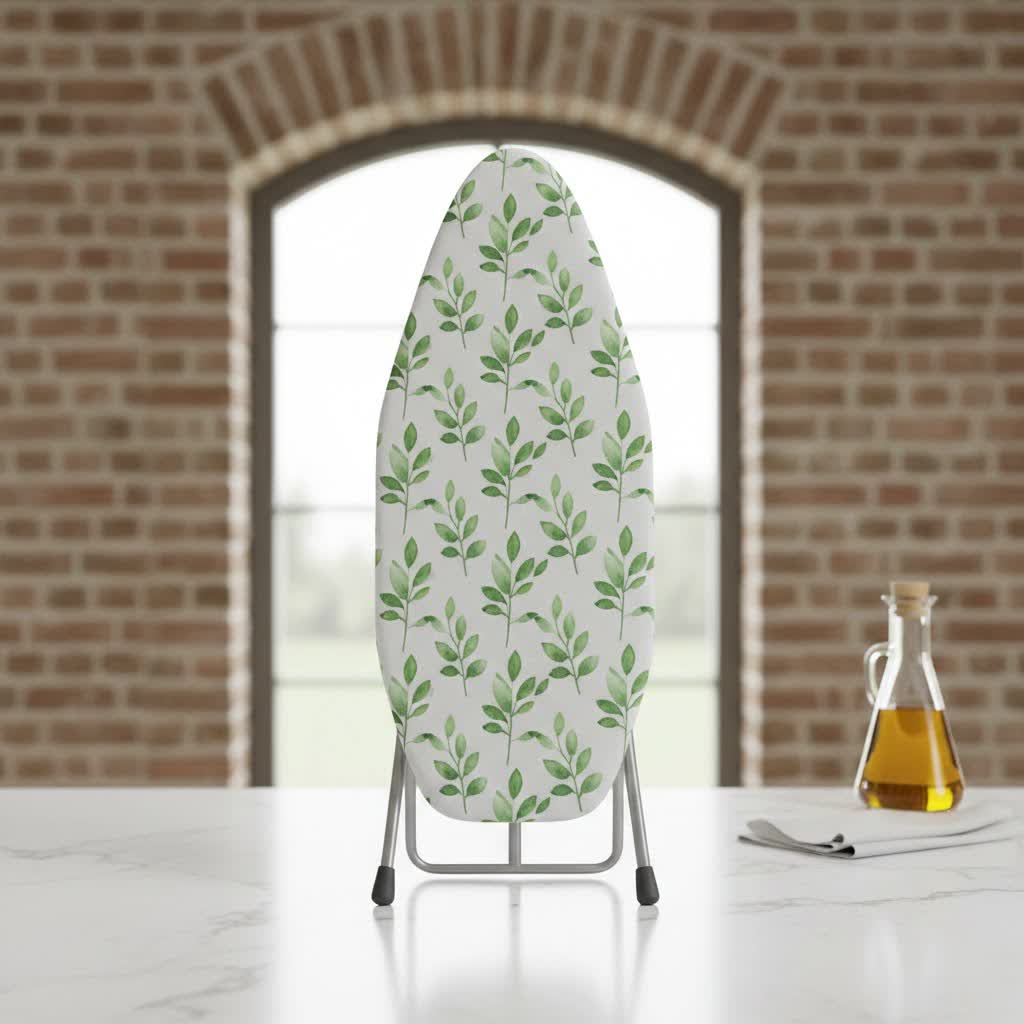
Tired of flimsy ironing boards that wobble and hinder your quest for perfectly pressed clothes? Imagine an ironing surface that not only provides unwavering stability but also adds a touch of timeless charm to your home. While metal ironing boards have dominated the market for decades, the classic Wooden Ironing Board is making a quiet resurgence, offering a superior blend of functionality, durability, and aesthetic appeal. This comprehensive guide will explore the unique advantages of choosing a wooden ironing board, delve into the various types available, and provide expert advice on selecting and maintaining the perfect model for your needs.
What is a Wooden Ironing Board?
At its core, an ironing board is a flat, stable surface designed to facilitate the pressing of garments and fabrics. A wooden ironing board distinguishes itself by incorporating wood as a primary material in its construction, whether for the ironing surface itself, its sturdy frame, or as an integral part of its cabinet housing. Historically, ironing surfaces were often crafted from solid wood, like pine or fir, prized for their natural stability and heat-retention properties. This traditional approach offers a tangible contrast to many modern designs, providing a more robust and often more aesthetically pleasing solution for household chores.
Types of Ironing Boards with Wooden Elements
Wooden ironing boards come in several configurations, each designed to meet different space constraints and preferences. Understanding these types will help you determine which best fits your lifestyle.
-
Standing Wooden Ironing Board: These are the most common form, featuring a robust wooden frame that provides exceptional stability. Often foldable, they combine the traditional strength of wood with modern convenience.
- Advantages: Superior stability and durability compared to many metal-framed alternatives, often offering a more appealing aesthetic. Many models allow for adjustable height.
- Disadvantages: Can be heavier than metal counterparts, potentially making them less portable. Requires a quality padded cover.
- Application: Ideal for households that iron frequently and value a stable, long-lasting setup, as well as those who appreciate natural materials.
-
Wall-Mounted Wooden Ironing Board: Integrated directly into a wall, these boards often feature a wooden cabinet or door that conceals the ironing surface when not in use. They fold out for use and then neatly tuck away.
- Advantages: Excellent space-saving solution, as they eliminate the need for floor space. Provides a clean, uncluttered look and can blend seamlessly with interior decor.
- Disadvantages: Fixed in location, requiring permanent installation. Initial setup can be more complex than freestanding models.
- Application: Perfect for smaller homes, apartments, or dedicated laundry rooms where maximizing space is crucial.
-
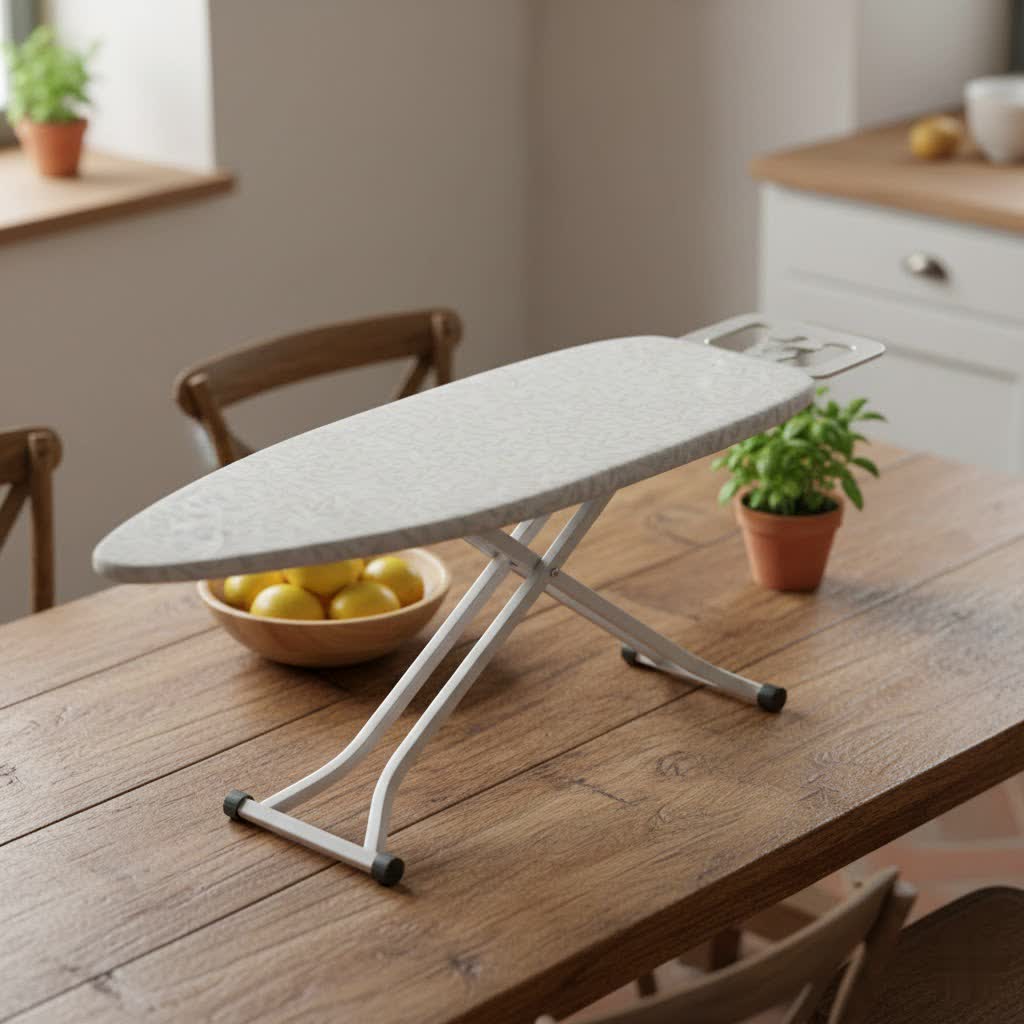
Portable/Tabletop Wooden Ironing Board: These compact versions are designed to be placed on an existing table or countertop. They typically have shorter wooden legs or a flat wooden base.
- Advantages: Extremely lightweight and easy to store in tight spaces, making them highly portable. Convenient for quick touch-ups or ironing smaller items.
- Disadvantages: Offers a smaller ironing surface, making it less suitable for large garments. May not be as stable as full-size models.
- Application: Suitable for travelers, students, or those with very limited space who only iron occasionally.
-
Built-in Ironing Board (Wooden Cabinetry): This type is custom-integrated into home cabinetry, often with a matching wooden facade that hides the board completely. When opened, the board slides or folds out.
- Advantages: Offers the most seamless integration into home design, providing a high-end, custom look. Completely hidden when not in use.
- Disadvantages: Generally the most expensive option due to custom installation. Cannot be moved once installed.
- Application: Luxury homes, custom-built laundry rooms, or renovations where design continuity is paramount.
Comparison: Wooden Ironing Board vs. Metal Ironing Board
Choosing between a wooden and a metal ironing board often comes down to balancing functionality, durability, aesthetics, and budget. Here’s a comparative look:
| Feature | Wooden Ironing Board | Metal Ironing Board |
|---|---|---|
| Stability | High, due to solid wooden frames and natural weight | Varies greatly by quality; can be good but prone to wobble over time |
| Heat Retention | High; wood naturally retains and radiates heat back to fabric, enhancing efficiency | Lower; metal dissipates heat quickly, requiring more passes |
| Durability | Excellent; resistant to rust and corrosion, built to last | Good; but can rust, bend, or become less stable over time |
| Aesthetics | Natural, elegant, adds warmth and character, often furniture-like | Utilitarian, modern, sleek, but can appear industrial |
| Weight | Often heavier, contributing to stability | Generally lighter, offering easier portability |
| Cost | Can be higher, especially for solid wood constructions | Generally more affordable, with many budget-friendly options |
| Maintenance | Requires care for wood (protect from prolonged moisture, periodic conditioning) | Less material-specific maintenance; prone to rust in damp environments |
| Eco-Friendliness | Often more sustainable if wood is responsibly sourced | Less sustainable due to metal production and potential waste |
Guide to Choosing a Wooden Ironing Board
Selecting the perfect wooden ironing board involves considering several critical factors to ensure it meets your specific needs and lasts for years.
- Quality of Wood Material:
- Surface: Look for solid hardwoods like maple, hickory, ash, or cherry for the ironing surface (underneath the cover). These woods are known for their tight grain and resistance to splintering or sapping. Good quality pine can also work, but avoid sappy or snaggy woods like oak, which can leach color or damage clothes.
- Frame: Ensure the frame is constructed from sturdy, solid wood, providing a stable foundation that won’t warp or become rickety over time.
- Size and Stability:
- Dimensions: Consider the length and width of the ironing surface based on the types of garments you iron most frequently. A larger surface is ideal for bedding and tablecloths, while a compact one suits smaller items.
- Adjustable Height: An adjustable height mechanism is crucial for ergonomic comfort, allowing you to iron while standing or sitting without straining your back or neck.
- Stability: Examine the leg design and locking mechanisms. A wide, well-braced stance with non-slip feet ensures the board remains steady even when applying pressure.
- Integrated Features:
- Iron Rest: A heat-resistant iron rest provides a safe place to set your hot iron, preventing accidental burns or damage to the board cover.
- Storage Solutions: For foldable or wall-mounted boards, check the ease of folding and unfolding, and the security of the locking mechanism when stored. Built-in models should offer smooth operation.
- Accessories: Some boards include a hanging rack for freshly ironed clothes or a sleeve board for cuffs and smaller areas.
- Brand Reputation and Price:
- Research brands known for quality craftsmanship in wooden furniture or laundry products. While wooden ironing boards can be a larger upfront investment than their metal counterparts, their durability and aesthetic appeal often justify the cost over time. Read reviews and compare options to find the best value.
Top Characteristics of Highly-Rated Wooden Ironing Boards
While specific product models can vary, the best wooden ironing boards consistently exhibit certain characteristics that elevate the ironing experience:
- Exceptional Stability: A solid hardwood frame and robust leg construction are paramount, eliminating any wobble during ironing.
- Effective Heat Retention: The natural properties of the wooden surface, beneath a quality cover, efficiently retain and reflect heat, reducing ironing time and effort.
- Durable Construction: Built from high-quality, sustainably sourced wood, these boards are designed to withstand years of regular use without showing signs of wear, rust, or corrosion.
- Thoughtful Ergonomics: Adjustable height settings that cater to different users and comfortable working positions are key.
- Elegant Design: Beyond mere utility, top wooden boards often feature beautiful wood finishes and sleek designs that complement home interiors, transforming a mundane chore into a more pleasant activity.
- Premium Cover and Padding: A thick, high-quality cover with ample padding is essential for a smooth ironing experience, protecting both your garments and the wooden surface.
Tips for Using and Maintaining Your Wooden Ironing Board
Proper use and care will ensure your wooden ironing board remains a cherished and functional item for decades.
- Always Use a Padded Cover: A good quality, breathable cover with adequate padding is essential. It protects the wooden surface from direct heat and moisture, prevents scorching, and allows for smooth iron gliding.
- Ensure Stability Before Use: Before you begin ironing, always make sure the board is fully open, securely locked (if applicable), and stable on the floor. Adjust the height to your comfort level.
- Clean Wood Components Gently: For the wooden frame or cabinet, wipe with a soft, damp cloth. Avoid harsh chemicals or excessive moisture, which can damage the wood finish. Dry immediately with a clean, dry cloth.
- Protect from Moisture: Wood is susceptible to warping or swelling with prolonged exposure to moisture. Store your wooden ironing board in a dry environment. If you use a steam iron, ensure the board cover is designed to handle steam effectively and allow the board to air dry completely before folding and storing.
- Regularly Check Hardware: Periodically inspect hinges, screws, and locking mechanisms to ensure they are tight and functioning correctly. Tighten any loose parts to maintain stability and safety.
- Replace Worn Covers: A worn or thin cover compromises the ironing surface. Replace it promptly to ensure optimal performance and protection for your board.
“A well-chosen wooden ironing board isn’t just a tool; it’s an investment in efficiency and a beautiful addition to your home that can last generations.” – Expert Laundry Technician, ReviewPlusss.com
Conclusion
The wooden ironing board represents a return to quality and craftsmanship in an everyday household item. Its inherent stability, superior heat retention, long-lasting durability, and classic aesthetic offer compelling advantages over more common metal alternatives. By considering the type, materials, and features that best suit your ironing habits and living space, you can select a wooden ironing board that transforms your laundry routine into a more enjoyable and effective task. Invest in a piece that works hard and looks good doing it.
Are you ready to elevate your ironing experience with the timeless quality of a wooden ironing board?
Frequently Asked Questions
Are wooden ironing boards better than metal ones?
|
Our Picks for the Best Ironing Board in 2026
We may earn a commission when you use one of our links to make a purchase.
|
||
| Num | Product | Action |
|---|---|---|
| 1 | Full Size Ironing Board Made in USA – Beige by Seymour Home Products 4 Heavy-Duty Steel Legs Perforated Top for Steam Includes Cover & Pad Sturdy, Foldable Iron Board for Home & Laundry |

|
| 2 | Amazon Basics Ironing Board Tabletop 77x29 cm, White, Floral |
|
| 3 | Ironing Board Full Size 54x14, RAINHOL Heavy Duty Iron Board with Thick Padded Cover, Height Adjustable Ironing Boards with Smart Hanger, Heat-Resistant Silicone Pad Iron Rest |
|
| 4 | Joseph Joseph Pocket Folding Tabletop Ironing Board with Iron Holder and wall mount, Compact Space-Saving , Grey/Yellow |
|
| 5 | KINGBOARD Tabletop Ironing Board, Small Ironing Boards with Iron Rest, Folding Iron Board, Extra Thick Cover, Portable Tabletop Ironing Board with Non-Slip Feet, 30x12 Blue |
|
| 6 | Tabletop Ironing Board,Portable Iron Board with Iron Rest, Foldable Small Ironing Board with Heat Resistant Cover and 100% Cotton Pad, 31.5"x11.8"x7", Grey |
|
| 7 | Metal Mesh Panel Tabletop Ironing Board - Foldable Iron Board - Heavy Duty Small Iron Board with Heat Resistant Cover and 100% Cotton 8mm Thicken Pad - 31.5"x11.8"x6.2" |
|
| 8 | Metal Foldable Tabletop Ironing Board with Iron Rest, Portable Ironing Board Small with Heat Resistant Cotton Cover, RAINHOL Mini Iron Board for Small Space and Travel, 31"x12", Gray |
|
| 9 | APEXCHASER Ironing Board Small with Iron Holder, Tabletop Small Iron Board with 2 Heat Resistant Ironing Covers, Portable Tabletop Ironing Board with Non-Slip Feet for Home Travel Use |
|
| 10 | Foldable Table Top Ironing Board with Iron Rest, Portable Ironing Board Small with Heat Resistant Cotton Cover, Mini Iron Board for Small Space and Travel, 31"x12", Black |
|
Wooden ironing boards often offer superior stability and natural heat retention, which can lead to more efficient ironing. They are also highly durable and resistant to rust and corrosion, unlike metal boards. The choice ultimately depends on your priorities regarding stability, aesthetics, and portability, as wooden boards can be heavier.
What kind of wood is best for an ironing board surface?
For the ironing surface itself (underneath the cover), hardwoods like maple, hickory, ash, or cherry are highly recommended due to their tight grain, stability, and resistance to splintering or sapping. Quality pine can also work, but it’s best to avoid sappy woods or those prone to snagging, like oak.
How do you clean a wooden ironing board?
For the wooden frame or cabinet, wipe it down with a soft, damp cloth and dry it immediately to prevent moisture damage. Avoid using harsh chemical cleaners. Always ensure a high-quality, padded cover is on the ironing surface to protect the wood from heat and moisture during use.
Do wooden ironing boards retain heat?
Yes, wood naturally retains and radiates heat, which can be a significant advantage when ironing. This property helps to soften fabrics more effectively and maintain a consistent temperature, potentially reducing the number of passes needed and saving time and energy compared to metal boards that dissipate heat more quickly.
Are wooden ironing boards prone to warping?
Like all wood products, a wooden ironing board can be prone to warping if exposed to excessive or prolonged moisture, or extreme temperature fluctuations. However, well-constructed wooden boards made from appropriate hardwoods, coupled with proper care and storage in a dry environment, are highly resistant to warping and built to last.