For generations, the ironing board has been a quiet staple in homes, a testament to the pursuit of crisp, wrinkle-free garments. While today’s models often feature sleek metal and advanced technology, there’s a unique allure to the Antique Ironing Board, a piece of household history that speaks of simpler times and enduring craftsmanship. Far more than just utilitarian objects, these vintage treasures offer a blend of historical intrigue, rustic aesthetic, and surprising versatility for modern homes.
This guide delves into the world of antique ironing boards, from their fascinating origins and identifying features to their potential value and creative repurposing in contemporary decor. Whether you’re a seasoned collector, a history enthusiast, or simply seeking a unique decorative accent, understanding these vintage pieces can open a window to the past and inspire new uses for old world charm.
What is an Antique Ironing Board?
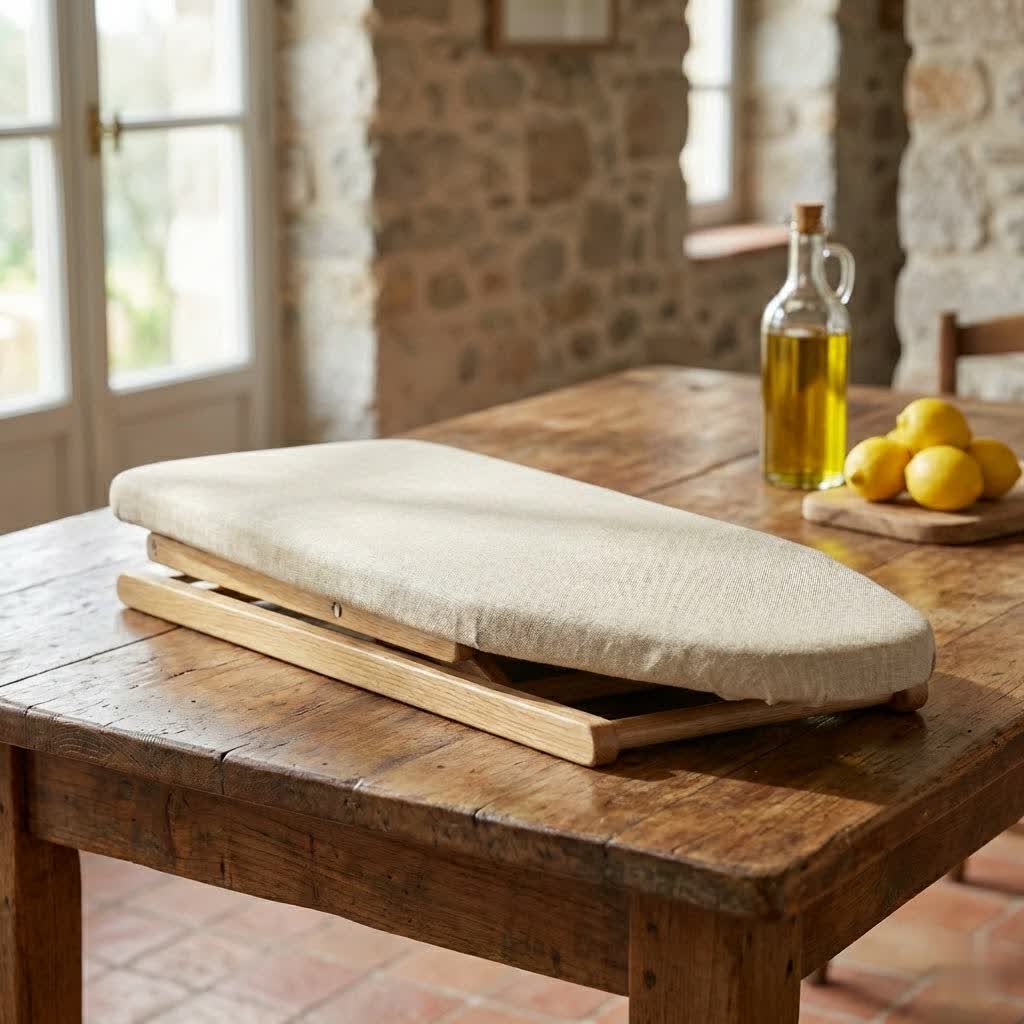
An antique ironing board generally refers to models manufactured before the mid-20th century, with many desirable pieces dating back to the late 19th and early 20th centuries. Unlike their modern counterparts, which predominantly feature metal construction and lightweight designs, antique ironing boards are typically characterized by their wooden structure. They were primarily designed to provide a stable, flat surface for pressing clothes with heavy, often stove-heated irons. Their evolution reflects changing household technologies and the increasing demand for efficient garment care, transitioning from basic planks of wood to more sophisticated, collapsible, and specialized designs.
The Rich History of Ironing Boards
The concept of smoothing fabrics is ancient, with early methods involving heated stones and whalebone used by cultures like the Vikings in the 9th century. For centuries, people in Europe and America commonly ironed clothes on kitchen tables or makeshift boards placed between two chairs.
The innovation of dedicated ironing surfaces began to take shape in the mid-19th century. In 1858, W. Vandenburg and J. Harvey patented an “ironing table” designed for pressing shirt bodies and pant legs. The first truly folding ironing board, which included a removable press board for sleeves, was patented in Canada in 1875 by John B. Porter.
However, the most significant improvements came with African American inventor Sarah Boone, who was granted a patent in 1892 for her enhanced ironing board design. Boone’s invention introduced a narrow, curved, and reversible board, specifically tailored to improve the quality of ironing sleeves and the bodies of women’s garments. Her design also featured padding and collapsible legs, laying much of the groundwork for the standard ironing board we recognize today.
Early manufactured ironing boards were largely made of wood, though they were often susceptible to warping. As the 20th century progressed, manufacturers began experimenting with metal tops. These early metal boards, however, often buckled or rusted under the heat and steam of irons. A significant advancement came when the J. R. Clark Company of Minneapolis introduced metal tops with mesh, which allowed steam to escape and prevented buckling and rusting. By around 1940, all-metal collapsible ironing boards with tubular legs became widely common, marking a shift from the predominantly wooden designs of the antique era.
Identifying a Genuine Antique Ironing Board
Identifying an authentic antique ironing board requires attention to several key details that differentiate them from modern reproductions or simply older “vintage” pieces.
- Materials: Look for solid wood construction, often pine or other hardwoods. The wood will typically display a natural patina, which is a soft sheen developed over time from age, use, and exposure. Hardware, such as hinges and fasteners, will likely be made of iron, possibly showing signs of age and minor rust rather than contemporary alloys. Some boards from the later antique period (pre-1940) might feature early forms of metal tops, which could be solid or a rudimentary mesh.
- Construction & Design: Antique boards often feature simpler, more robust folding mechanisms compared to today’s designs. The shape can be a strong indicator; Sarah Boone’s influence, for example, introduced the tapered and curved design specifically for easier ironing of sleeves and fitted garments. Some early 20th-century models, such as those patented by Albert Hogins in 1879, featured two tapering sections and five legs. You might also encounter boards with unique leg structures, like the three-point supports devised by inventor Springer around 1914, or even built-in elements like small drawers or trays for ironed items or supplies.
- Manufacturer Marks & Patents: A crucial step in identification is searching for any manufacturer marks, labels, or patent dates. Brands like Rid-Jid, for instance, produced boards under patents from 1911, 1920, and 1927. These markings can provide valuable clues about the board’s origin and exact era.
- Weight & Wear: Genuine antique ironing boards tend to be heavier than their modern counterparts due to the solid wood and metal components. Expect to see natural signs of wear, such as minor scratches, dents, or fading, which contribute to its character. However, beware of artificially distressed pieces that try to mimic age.
Types of Antique Ironing Boards
While the basic function remained consistent, antique ironing boards came in a variety of forms adapted for different needs and spaces.
- Traditional Wooden Folding Boards: These are the most commonly recognized antique ironing boards. They typically feature a solid wooden top and collapsible wooden legs, allowing for storage when not in use. Their sizes varied, with full-sized boards being common for general household use.
- Sleeve Boards & Specialty Boards: Designed for precision, these smaller, narrower boards were specifically crafted for ironing sleeves, collars, and other intricate parts of garments that were difficult to maneuver on a larger surface. Some were standalone units, while others could be attached to a larger ironing board or featured in early patented designs like those by Mort or Porter.
- Child-Sized Ironing Boards: Miniature versions of full-sized boards were also produced, often used by children as toys or for learning household tasks. These small boards are now highly collectible due to their charm and rarity.
- Early Built-in & Wall-Mounted Boards: Emerging in American homes from the 1920s and 1930s, these innovative boards were integrated into kitchen or laundry room cabinetry. They could fold out for use and then disappear back into the wall or a custom cabinet, offering a clever space-saving solution for smaller living areas.
Buying Guide for Antique Ironing Boards
When seeking to acquire an antique ironing board, careful consideration of its condition, authenticity, and your intended use is essential.
- Condition Assessment: Thoroughly inspect the wood for signs of rot, severe cracks, or excessive warping, which can compromise stability. Check all hardware (hinges, latches) for rust or damage that might affect functionality. While a natural patina is desirable, significant structural damage or signs of poor previous repairs should be noted. Determine if the original finish is intact or if it has been restored, as this impacts its originality and potentially its value.
- Authenticity: Verify period characteristics by cross-referencing with historical images or descriptions. Be wary of pieces that appear too “perfect” or show artificial distressing. Look for manufacturer marks, patent dates, or unique construction details that can confirm its age. Purchasing from reputable antique dealers or specialized marketplaces can help ensure authenticity.
- Intended Use: Your purpose for the board will guide your selection. If it’s purely for decorative display, minor cosmetic flaws might be acceptable, and even add to its rustic appeal. For light functional use (e.g., as a small table), stability and a reasonably smooth surface are more important. If you’re a collector, rarity, historical significance, and original condition will be paramount.
- Size & Storage: Antique boards come in various sizes. Consider the space you have available, especially if you plan to use it as a decorative furniture piece rather than a collapsible laundry tool.
- Price Consideration: Prices for antique ironing boards vary widely. Common wooden folding boards might be found for under $100, while well-preserved examples or those with unique features or historical provenance can command several hundred dollars. For exceptionally rare pieces, or those repurposed into art, prices can reach into the thousands. Compare prices across different platforms, including local antique shops, online marketplaces like eBay and 1stDibs, and specialty auctions.
The Value of Antique Ironing Boards
The value of an antique ironing board isn’t uniform; it’s a dynamic interplay of several factors that appeal to both collectors and decorators. Common antique wooden folding boards can typically range from under $100 to $200 on platforms like eBay, making them accessible decorative items. However, pieces boasting exceptional craftsmanship, unique design elements, or significant historical provenance can fetch considerably higher prices. On high-end antique marketplaces such as 1stDibs, the average selling price for an ironing board is around $1,200, with some rare or artfully repurposed examples selling for as much as $16,000.
Factors that significantly influence an antique ironing board’s value include its age, with earlier patented designs or those from the 19th century often being more desirable. Rarity also plays a role; specialized boards, like unique sleeve boards or charming child-sized versions, tend to be more collectible. The material, such as specific hardwoods or boards featuring distinctive burl wood, can enhance its appeal and value. Furthermore, the overall condition, the presence of original manufacturer marks or patent stamps, and any documented historical connections contribute to its market worth. Current trends in interior design, which favor rustic, farmhouse, or industrial aesthetics, can also drive up demand for these vintage pieces.
Restoring and Repurposing Your Antique Find
An antique ironing board can be transformed from a simple relic into a cherished and functional piece within your home with a bit of care and creativity.
- Cleaning & Wood Care: Begin by gently cleaning the wooden surfaces to remove dust and grime. For untreated wood, a nourishing treatment with linseed oil can bring out the natural beauty of the grain and protect it. If the board has an existing finish, a good quality furniture polish or wax can restore its luster. Address any stains with appropriate wood cleaners, being careful not to damage the original finish.
- Hardware Maintenance: Inspect all metal hardware for rust. Light rust can often be removed with fine steel wool or a rust-removing solution, followed by a protective coating. Lubricate hinges with a suitable oil to ensure smooth operation if it’s a folding board.
- Cover & Padding Replacement: The original cover and padding are often deteriorated. Replace them with fresh padding (such as cotton batting or felt) and a new fabric cover. Choose a durable, heat-resistant fabric that complements your decor, adding both functionality and a personalized touch.
- Creative Repurposing Ideas:
- Console or Sofa Table: The narrow, elongated shape of many antique ironing boards makes them ideal as a unique console table in a hallway or behind a sofa.
- Display Shelf: Positioned against a wall, it can serve as a rustic display surface for small plants, books, or cherished decorative objects.
- Entryway Organizer: Add small hooks to the side for hanging keys or coats, transforming it into a charming and functional entryway piece.
- Quilting or Craft Table: For crafters, a stable antique ironing board can offer an additional, often height-adjustable, surface for pressing fabrics or laying out projects.
- Photo Backdrop/Prop: Its rustic aesthetic makes it a popular choice as a prop or backdrop for vintage-themed photography.
> “Antique ironing boards are more than just tools; they’re echoes of domestic life, offering both a glimpse into the past and unique possibilities for modern styling.” – ReviewPlusss Admin, Vintage Home Decor Expert
Conclusion
Antique ironing boards embody a unique blend of history, utility, and aesthetic appeal. From their humble beginnings as simple planks to the sophisticated, patented designs that laid the groundwork for modern conveniences, these fascinating objects tell a story of innovation and domestic evolution. Whether admired for their historical significance, sought after for their rustic charm, or creatively repurposed as unique furniture, an antique ironing board is a testament to enduring design and the timeless appeal of well-crafted items. Embracing one of these vintage pieces allows you to integrate a tangible piece of the past into your present, adding character and a conversational touch to any space.
What unique story will your antique ironing board tell in your home?
Câu Hỏi Thường Gặp
What is the oldest type of ironing board?
|
Our Picks for the Best Ironing Board in 2026
We may earn a commission when you use one of our links to make a purchase.
|
||
| Num | Product | Action |
|---|---|---|
| 1 | Amazon Basics Ironing Board Tabletop 77x29 cm, White, Floral |

|
| 2 | Tabletop Ironing Board,Portable Iron Board with Iron Rest, Foldable Small Ironing Board with Heat Resistant Cover and 100% Cotton Pad, 31.5"x11.8"x7", Grey |
|
| 3 | Full Size Ironing Board Made in USA – Beige by Seymour Home Products 4 Heavy-Duty Steel Legs Perforated Top for Steam Includes Cover & Pad Sturdy, Foldable Iron Board for Home & Laundry |
|
| 4 | Metal Foldable Tabletop Ironing Board with Iron Rest, Portable Ironing Board Small with Heat Resistant Cotton Cover, RAINHOL Mini Iron Board for Small Space and Travel, 31"x12", Gray |
|
| 5 | Ironing Board Full Size 54x14, RAINHOL Heavy Duty Iron Board with Thick Padded Cover, Height Adjustable Ironing Boards with Smart Hanger, Heat-Resistant Silicone Pad Iron Rest |
|
| 6 | APEXCHASER Ironing Board Small with Iron Holder, Tabletop Small Iron Board with 2 Heat Resistant Ironing Covers, Portable Tabletop Ironing Board with Non-Slip Feet for Home Travel Use |
|
| 7 | Foldable Table Top Ironing Board with Iron Rest, Portable Ironing Board Small with Heat Resistant Cotton Cover, Mini Iron Board for Small Space and Travel, 31"x12", Black |
|
| 8 | Metal Mesh Panel Tabletop Ironing Board - Foldable Iron Board - Heavy Duty Small Iron Board with Heat Resistant Cover and 100% Cotton 8mm Thicken Pad - 31.5"x11.8"x6.2" |
|
| 9 | KINGBOARD Tabletop Ironing Board, Small Ironing Boards with Iron Rest, Folding Iron Board, Extra Thick Cover, Portable Tabletop Ironing Board with Non-Slip Feet, 30x12 Blue |
|
| 10 | Joseph Joseph Pocket Folding Tabletop Ironing Board with Iron Holder and wall mount, Compact Space-Saving , Grey/Yellow |
|
The earliest known forms of ironing surfaces date back to 9th-century Vikings, who used flat pieces of whalebone with heated rocks. In Europe and America, people later used kitchen tables or wooden boards placed between chairs before dedicated ironing tables were patented in the mid-19th century.
Are old wooden ironing boards valuable?
The value of old wooden ironing boards varies significantly. Common models might be worth under $100, while well-preserved, rare, or historically significant pieces, especially those with unique patents or designs (like Sarah Boone’s improvements), can fetch hundreds or even thousands of dollars from collectors and decor enthusiasts.
How do I clean an antique wooden ironing board?
To clean an antique wooden ironing board, start by gently wiping away dust and grime with a soft, damp cloth. For untreated wood, nourishing it with linseed oil can restore its sheen and protect it. For finished wood, use a quality furniture polish or wax. Always avoid harsh chemicals that could damage the antique finish.
Who invented the folding ironing board?
The first truly portable folding ironing board, including a removable press board for sleeves, was patented in Canada in 1875 by John B. Porter. Later, Sarah Boone patented significant improvements in 1892, introducing a narrow, curved, and collapsible design that greatly influenced modern ironing boards.
Can antique ironing boards still be used for ironing?
Yes, many antique ironing boards can still be used for ironing, especially those made of solid wood that remain stable. However, their surfaces might be less heat-resistant than modern boards, and you may need to replace the padding and cover with heat-resistant materials for optimal and safe use. They are also often repurposed for decorative purposes due to their charming aesthetics.