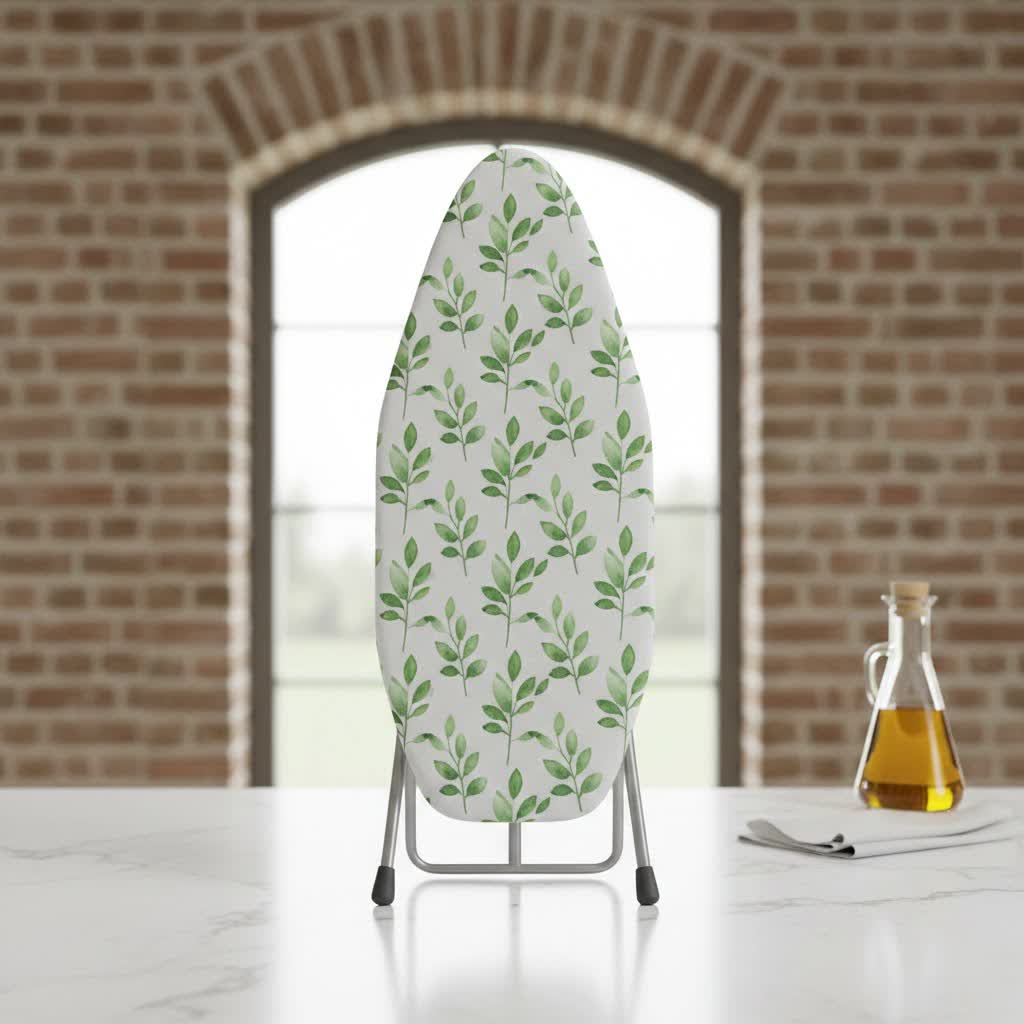
Ironing can often feel like a tedious chore, but with the right tools, it transforms into a simple and satisfying task. At the heart of a truly efficient ironing experience lies the humble yet indispensable Standard Ironing Board. It’s more than just a flat surface; it’s a dedicated workspace designed to help you achieve crisp, wrinkle-free garments with ease and precision. Understanding its features, types, and how to select one that fits your lifestyle is the first step toward conquering laundry day. This comprehensive guide will walk you through everything you need to know about standard ironing boards, ensuring you pick the perfect one for your household.
What is a Standard Ironing Board?
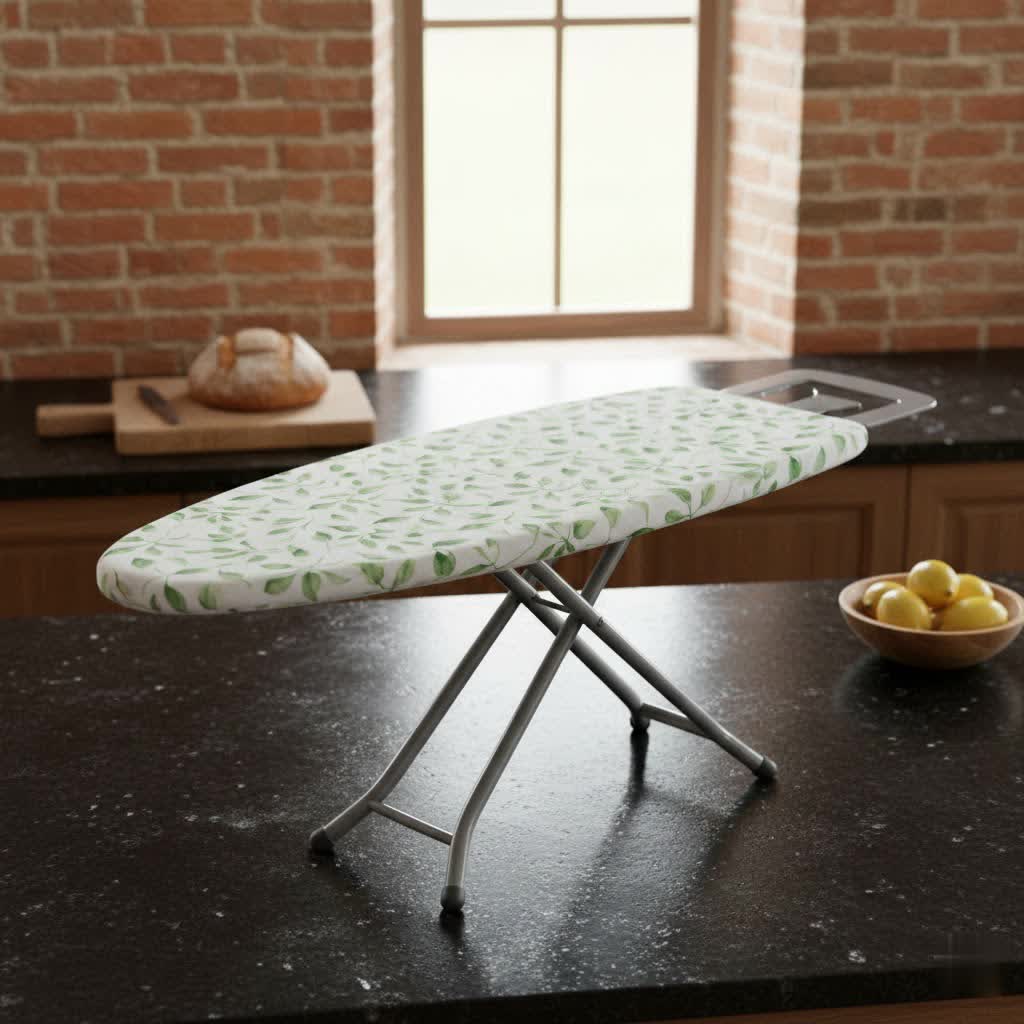
A standard ironing board is a fundamental household tool, characterized by its flat, padded, and heat-resistant surface, typically supported by adjustable, collapsible metal legs. Its primary purpose is to provide a stable platform for pressing clothes with an iron, effectively removing wrinkles and creating a polished, fresh look for your garments. This seemingly simple design has evolved over time from earlier, heavier wooden versions to today’s lighter, more versatile models, often featuring steel mesh tops for improved steam ventilation.
These boards are typically designed to be freestanding, meaning they can be set up anywhere in your home and then folded away for storage. While the adjustable height range can vary, most standard ironing boards offer settings between 25 and 40 inches, catering to different user preferences whether sitting or standing. The working surface generally measures around 15 x 54 inches, providing ample space for ironing most clothing items, from shirts and trousers to skirts and dresses.
Common Types of Ironing Boards
While the “standard” ironing board generally refers to the freestanding model, the market offers several types, each catering to different needs, spaces, and ironing habits. Understanding these variations will help you pinpoint the best fit for your home.
Freestanding Ironing Boards (Traditional)
These are the most recognized and widely used type of ironing board, embodying the “standard” design. They feature a full-sized ironing surface and a robust, adjustable frame that folds out to provide stability during use.
- Advantages: Freestanding boards offer superior stability compared to portable options and a generous ironing area, making them ideal for larger items like bedding and tablecloths, as well as everyday clothing. Their adjustable height ensures ergonomic comfort for users of varying statures.
- Disadvantages: Due to their size, freestanding boards can be cumbersome to store, often requiring dedicated space in a closet or laundry room. While foldable, their overall footprint remains larger than other types.
- Applications: Perfect for individuals or families who iron frequently and have ample space. They are the go-to choice for those who value a sturdy, expansive work surface for all their ironing needs.
|
Our Picks for the Best Ironing Board in 2026
We may earn a commission when you use one of our links to make a purchase.
|
||
| Num | Product | Action |
|---|---|---|
| 1 | Metal Foldable Tabletop Ironing Board with Iron Rest, Portable Ironing Board Small with Heat Resistant Cotton Cover, RAINHOL Mini Iron Board for Small Space and Travel, 31"x12", Gray |

|
| 2 | Full Size Ironing Board Made in USA – Beige by Seymour Home Products 4 Heavy-Duty Steel Legs Perforated Top for Steam Includes Cover & Pad Sturdy, Foldable Iron Board for Home & Laundry |
|
| 3 | Joseph Joseph Pocket Folding Tabletop Ironing Board with Iron Holder and wall mount, Compact Space-Saving , Grey/Yellow |
|
| 4 | KINGBOARD Tabletop Ironing Board, Small Ironing Boards with Iron Rest, Folding Iron Board, Extra Thick Cover, Portable Tabletop Ironing Board with Non-Slip Feet, 30x12 Blue |
|
| 5 | Ironing Board Full Size 54x14, RAINHOL Heavy Duty Iron Board with Thick Padded Cover, Height Adjustable Ironing Boards with Smart Hanger, Heat-Resistant Silicone Pad Iron Rest |
|
| 6 | Metal Mesh Panel Tabletop Ironing Board - Foldable Iron Board - Heavy Duty Small Iron Board with Heat Resistant Cover and 100% Cotton 8mm Thicken Pad - 31.5"x11.8"x6.2" |
|
| 7 | Foldable Table Top Ironing Board with Iron Rest, Portable Ironing Board Small with Heat Resistant Cotton Cover, Mini Iron Board for Small Space and Travel, 31"x12", Black |
|
| 8 | Tabletop Ironing Board,Portable Iron Board with Iron Rest, Foldable Small Ironing Board with Heat Resistant Cover and 100% Cotton Pad, 31.5"x11.8"x7", Grey |
|
| 9 | Amazon Basics Ironing Board Tabletop 77x29 cm, White, Floral |
|
| 10 | APEXCHASER Ironing Board Small with Iron Holder, Tabletop Small Iron Board with 2 Heat Resistant Ironing Covers, Portable Tabletop Ironing Board with Non-Slip Feet for Home Travel Use |
|
Compact/Tabletop Ironing Boards
Designed for convenience and space-saving, tabletop ironing boards are smaller versions that are placed on an existing flat surface, such as a table or countertop.
- Advantages: Extremely portable and easy to store, these boards are excellent for small apartments, dorm rooms, or for those who iron only occasionally. Their smaller ironing area is perfectly suited for quick touch-ups or smaller garments.
- Disadvantages: The reduced ironing surface means more repositioning for larger items, and they inherently depend on another surface for support, which may not always be at an ergonomic height. Stability can also be less robust than a freestanding model.
- Applications: Ideal for individuals with limited storage space, students, travelers, or anyone needing a quick solution for ironing small items like scarves, ties, or baby clothes.
Wall-Mounted and Built-in Ironing Boards
These innovative solutions prioritize space efficiency by integrating the ironing board directly into your home’s structure or furniture.
- Advantages: Both types are champions of space-saving. Wall-mounted boards fold up against a wall or into a discreet cabinet when not in use, while built-in boards are seamlessly integrated into drawers or custom cabinetry. They eliminate the need for manual setup and storage.
- Disadvantages: The primary drawback is their fixed location, meaning you cannot move them to different rooms. Installation for both can be more complex than simply unfolding a freestanding board, and built-in options often require custom solutions.
- Applications: Excellent for small laundry rooms, utility closets, hotels, or any home where maximizing floor space is a priority and a dedicated ironing spot is desired.
Comparison of Ironing Board Types
To help you visualize the differences, here’s a quick comparison of the main ironing board types:
| Feature | Freestanding | Wall-Mounted | Portable (Tabletop) |
|---|---|---|---|
| Stability | High | High | Low-Medium |
| Convenience | Medium | High (storage) | High (portability) |
| Ironing Area | Large | Medium | Small |
| Mobility | Medium | Low | High |
| Price | Medium | Medium-High | Low |
How to Choose the Perfect Standard Ironing Board
Selecting the right standard ironing board involves considering several factors beyond just its type. A thoughtful choice can significantly enhance your ironing efficiency and comfort.
Material Quality
The longevity and performance of your ironing board largely depend on its construction materials.
- Board Surface: Look for a perforated steel mesh top. This design allows steam from the iron to pass through and evaporate, preventing condensation buildup that can re-wrinkle clothes or dampen the padding. The padding itself should be thick, typically foam or felt, for cushioning and smooth gliding.
- Cover Fabric: A high-quality cover is essential. Natural cotton is a popular choice for its heat resistance and durability. Some covers feature thermo-reflective materials that bounce heat back to the garment, potentially speeding up the ironing process. Ensure it’s stain and scorch-resistant.
- Frame: Steel or aluminum frames are recommended for their durability and stability. A sturdy metal frame prevents wobbling and ensures the board remains stable under pressure.
Size and Dimensions
The size of your ironing board should align with your ironing habits and available space.
- Ironing Surface: A standard board measuring approximately 15 x 54 inches (or 1.2 meters long and 45 centimeters wide) offers a good balance for most garments and linens. If you frequently iron larger items like bedsheets or curtains, consider a wider board for increased efficiency. For smaller items or touch-ups in confined spaces, a compact or tabletop model would be more practical.
- Storage Space: Before purchasing a full-sized freestanding board, measure your storage area to ensure it fits comfortably when folded.
Stability and Safety
A wobbly ironing board is not only frustrating but can also be a safety hazard.
- Sturdy Frame: The frame should feel robust and not flex easily. Look for boards with wide, non-slip feet or robust leg caps to prevent slipping on various floor surfaces.
- Locking Mechanism: For freestanding boards, a reliable locking mechanism that secures the legs in both open and closed positions is vital. Some premium models include a child-lock system for added safety, preventing accidental collapse.
- Iron Rest: A built-in, heat-resistant iron rest helps prevent scorching the cover and provides a safe place to set down a hot iron, reducing the risk of accidents.
Adjustability
Ergonomic comfort is key to making ironing less strenuous.
- Height Settings: Most standard ironing boards offer multiple height adjustments, typically ranging from 28 to 36 inches. This allows you to customize the board’s height to suit your stature, whether you prefer to iron standing or sitting, reducing back strain and discomfort.
Additional Features
Modern ironing boards come with various enhancements that can improve your ironing experience.
- Iron Rest/Tray: A dedicated area at one end to safely place your hot iron.
- Sleeve Attachment: A mini, narrow board that attaches to the main board, perfect for easily ironing sleeves, collars, and other small, hard-to-reach areas.
- Hanging Rack: Some boards include a retractable rack for hanging freshly ironed clothes, preventing them from re-wrinkling immediately.
- Cord Holder: A flexible antenna-like feature that keeps the iron’s cord out of your way as you iron.
Maximizing Your Ironing Experience: Tips and Maintenance
A quality standard ironing board is an investment that, with proper care, will serve you well for years.
Safe Usage Tips
- Never Leave Unattended: Always turn off and unplug your iron when stepping away from the ironing board, even for a moment.
- Keep Away from Children and Pets: Ensure the hot iron and board are out of reach to prevent burns or accidental tipping.
- Correct Height: Adjust the board to a comfortable height to avoid unnecessary strain on your back and shoulders.
- Steam Ventilation: If your board has a mesh surface, utilize it to allow steam to escape, preventing moisture buildup.
Maintenance for Longevity
- Keep Dry: Always ensure your ironing board is completely dry before folding it for storage to prevent rust on metal parts and mildew on the padding or cover.
- Clean the Cover: Regularly clean your ironing board cover according to its care instructions. Starch buildup or fabric residue can be easily wiped away to maintain a smooth surface. Replace scorched or worn-out covers to ensure optimal ironing results and safety.
- Check Stability: Periodically inspect the legs, hinges, and locking mechanisms for any signs of wear or looseness. Tighten screws as needed to maintain stability and prevent wobbling.
- Proper Storage: Store your ironing board in a cool, dry place where it won’t be easily knocked over.
Conclusion
Choosing the right standard ironing board is a decision that significantly impacts the efficiency and enjoyment of your laundry routine. From the dependable stability of a freestanding model to the space-saving ingenuity of built-in options, there’s a perfect board out there for every home and every ironer. By prioritizing sturdy construction, appropriate size, and convenient features, you can transform ironing from a tedious task into a quick, satisfying process that leaves your clothes looking impeccable. Take the time to consider your needs, and you’ll find a quality ironing board that truly stands the test of time, making wrinkle-free living a breeze.
What features do you value most in your ironing setup?
Câu Hỏi Thường Gặp
What is the ideal height for an ironing board?
The ideal height for an ironing board typically allows you to iron with your arm bent at a comfortable 90-degree angle, or with the board reaching around hip level when standing. Most standard ironing boards offer adjustable heights, usually ranging from 28 to 36 inches, to accommodate different user preferences and body types, whether ironing while standing or sitting.
How often should I replace my ironing board cover?
You should replace your ironing board cover when it becomes visibly worn, scorched, stained, or if the padding underneath has lost its resilience. A damaged cover can hinder ironing efficiency and even transfer marks to your clothes. Regular cleaning can extend its life, but replacing it ensures a smooth surface and optimal heat reflection for crisp results.
Can I use a standard ironing board for large items like bedsheets?
Yes, a standard freestanding ironing board, typically measuring around 15 x 54 inches, offers a sufficiently large surface area to iron bedsheets and other large items. While it may require more repositioning than an extra-wide or specialized quilting board, its size and stability make it capable of handling most household linens effectively.
What material is best for an ironing board surface?
For the board’s surface, perforated steel mesh is highly recommended as it allows steam to penetrate and evaporate, preventing moisture buildup. This is then covered with thick padding, usually felt or foam, for cushioning, and an outer cover made of heat-resistant materials like cotton or a thermo-reflective fabric for smooth gliding and durability.
Are wall-mounted ironing boards worth it for small spaces?
Absolutely. Wall-mounted ironing boards are an excellent investment for small spaces as they fold away discreetly into a cabinet or flush against the wall, freeing up valuable floor space. While they are fixed in location, their space-saving design and ready-to-use convenience make them a highly practical choice for apartments, small laundry rooms, or utility closets.